
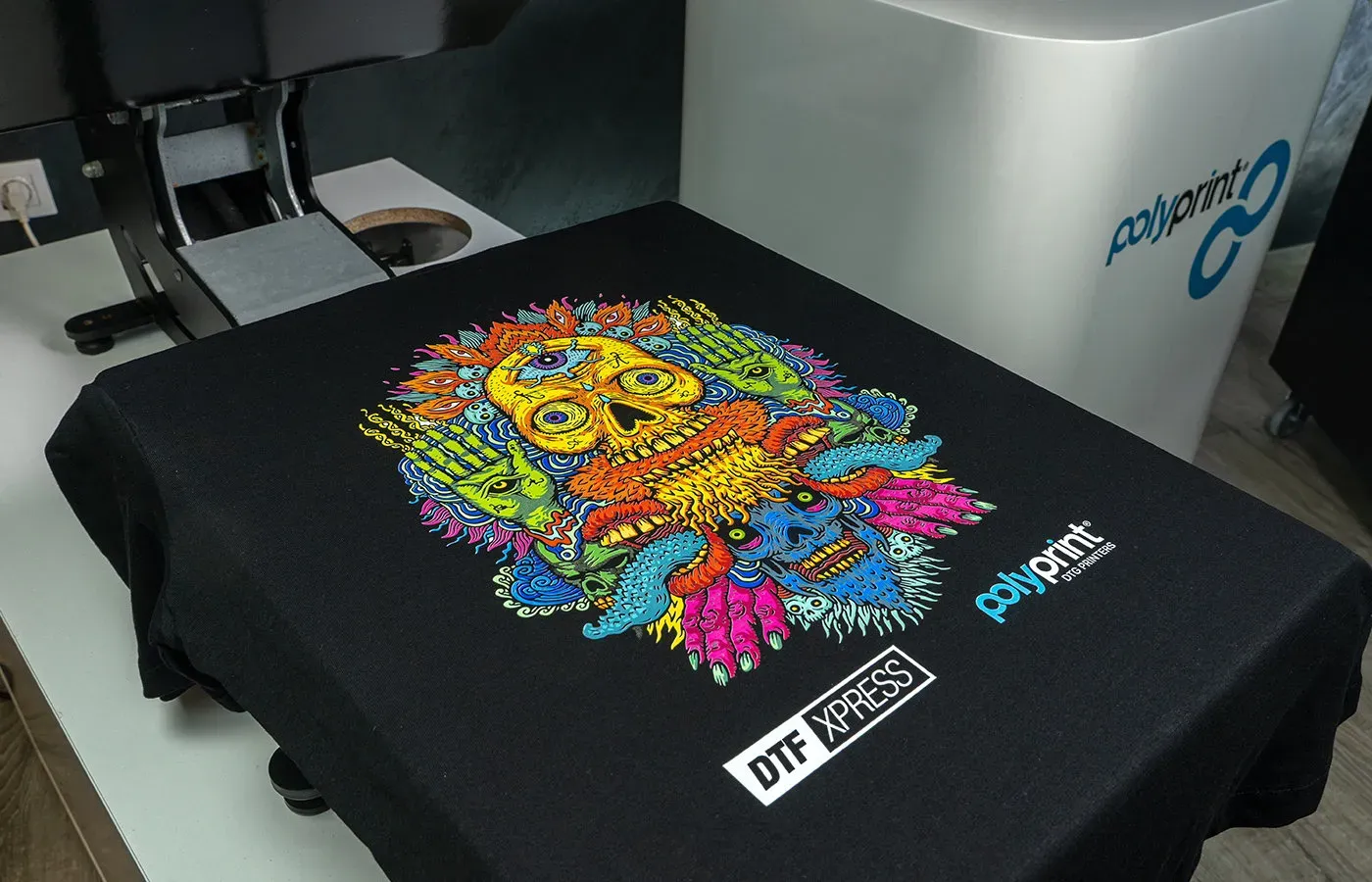
In the world of modern textile printing, **DTF printing**, or Direct-to-Film printing, has revolutionized the way artists and businesses apply designs to fabrics. This cutting-edge technique facilitates vibrant, detailed imagery transfer directly from a film onto various materials, making it a favorite among both professionals and hobbyists. In this guide, we will explore essential **DTF printing tips** to refine your process and achieve impeccable results. Whether you’re eager to learn **how to DTF print** effectively or curious about the best **DTF transfer films**, this resource will cover everything you need to know. Unlock the potential of your creative capabilities with advanced **DTF printing techniques** that ensure long-lasting, high-quality outcomes.
Also known as Direct-to-Film printing, this innovative approach to fabric decoration has become immensely popular due to its ability to handle complex designs with ease. Whether you are looking to print on light or dark fabrics, DTF provides a versatile solution that caters to a wide array of textile needs. From small-scale operations to larger endeavors, mastering this method means understanding the optimal materials and processes involved. Techniques used in **Direct-to-Film** applications can significantly elevate the quality of your work, allowing for exceptional detail and durability in your final prints. If you’re eager to dive deeper into the intricacies of DTF printing, continue reading for comprehensive insights and practical advice.
Understanding DTF Printing: An Overview
Direct-to-Film (DTF) printing is revolutionizing the textile printing industry by providing a flexible and efficient printing solution. This process involves printing designs onto a special film that can be transferred to fabrics, allowing for a remarkable level of detail and color vibrancy that traditional methods struggle to achieve. Unlike Direct-to-Garment (DTG) printing, DTF offers versatility for both light and dark materials, making it an attractive option for businesses and hobbyists alike.
The DTF process begins with the careful selection of transfer films and inks. High-quality DTF transfer films ensure better adherence of the print to the fabric, resulting in sharper and more vibrant images. Additionally, the choice of inks plays a significant role in the final output. Eco-solvent inks, for example, are popular due to their durability and rich color profiles, essential for any successful DTF printing endeavor.
Choosing the Right DTF Transfer Films
Selecting the appropriate DTF transfer films is crucial for achieving optimal results. A smooth surface on the film significantly improves ink adhesion, leading to more detailed prints. Additionally, the thickness of the film can impact the transfer process; films that are too thick may not transfer well, while those that are too thin might not hold the ink effectively.
When exploring your options for DTF transfer films, consider not only the surface texture and thickness but also the manufacturer’s specifications. Reputable brands often provide superior quality films designed specifically for DTF printing. Testing various brands can help you identify which ones yield the best results in terms of color reproduction and durability.
Printer Configuration for Successful DTF Printing
Proper printer configuration is essential to executing successful DTF prints. For best results, it's commonly recommended to operate at a resolution of 1440 dpi, which allows for intricate designs and vibrant colors. Furthermore, experimenting with different print modes can also enhance the quality of the output, ensuring that each design is represented accurately on the film.
Additionally, adjusting the ink density is a vital aspect of printer setup. Fine-tuning ink density prevents oversaturation, which can lead to ink bleeding during the transfer process. By meticulously managing your printer settings, you set the stage for creating stunning textile prints that reflect the depth and richness of your original artwork.
The Application Process in DTF Printing
The application process is where the true magic of DTF printing occurs. After printing your design on the film, applying a hot-melt powder adhesive is a crucial step. This adhesive increases the bond between the ink and the fabric, ensuring a more durable and long-lasting design. It's important to apply the adhesive evenly and generously to avoid any weak spots that could compromise the integrity of your prints.
Once the adhesive is applied, the heat pressing stage begins. Proper heat settings are essential; temperatures between 330°F to 350°F for 10 to 15 seconds are generally optimal. Overheating the film can lead to unwanted results, such as melted details or faded colors. By following these careful processes, you’ll ensure that your DTF prints come out crisp, colorful, and long-lasting.
Post-Processing Techniques for DTF Success
After successfully transferring your design, post-processing is a critical phase that should not be overlooked. Allowing the prints to cool down completely before peeling off the film is essential for ensuring the ink adheres correctly to the fabric. Rushing this process might result in lifting, which can ruin the quality and durability of the print.
Taking the time for careful post-processing helps to solidify a strong bond between the printed design and the fabric, significantly enhancing the overall longevity of the print. Implementing a few extra minutes in this stage can prevent costly reprints and ensure that your designs hold up beautifully even after multiple washes.
Maintenance and Materials Storage in DTF Printing
Regular maintenance of your printer is crucial for consistent performance in DTF printing. Water-based inks can lead to clogging if the printer isn’t regularly cleaned, which may adversely affect the quality of produced prints. Incorporating a routine maintenance schedule can greatly enhance the lifespan of your printer and the overall quality of your prints.
Appropriate storage conditions for your DTF transfer films and inks are equally important. Improper storage can render your materials ineffective, leading to suboptimal print results. It’s recommended to keep your films in cool, dry places away from direct sunlight, while inks should be properly sealed to prevent drying out or contamination.
Frequently Asked Questions
What is DTF printing and how does it work?
DTF printing, or Direct-to-Film printing, is a revolutionary printing technique that allows designs to be printed onto special transfer films and then applied to fabrics using a heat press. This method enables vibrant, high-quality prints that can adhere to a variety of textiles.
What are some essential tips for successful DTF printing?
To master DTF printing, ensure you use high-quality DTF transfer films, select compatible eco-solvent inks, configure your printer settings for optimal resolution, and apply hot-melt powder adhesive evenly before heat pressing. Following the proper temperature and time settings is also crucial.
What materials are needed for DTF printing?
For effective DTF printing, you need specialized DTF transfer films, eco-solvent inks, a suitable printer, hot-melt powder adhesive, and a heat press. Quality materials will enhance the print's durability and overall appearance.
How do you prepare a design for DTF printing?
To prepare a design for DTF printing, first create a high-resolution artwork file, adjust the colors for print accuracy, and ensure the design dimensions match your transfer film size. Then, print the design onto the DTF transfer film using the correct printer settings.
What is the application process in DTF printing?
The DTF printing application process involves first printing your design onto the transfer film, then applying a hot-melt powder adhesive evenly. Finally, you use a heat press set to 330°F to 350°F for about 10 to 15 seconds to transfer the design onto the fabric.
What maintenance is required for DTF printing equipment?
Regular maintenance for DTF printing equipment includes cleaning your printer to prevent ink clogging, ensuring the heat press remains in good working condition, and properly storing your DTF films and inks to maintain their quality for future use.
| Key Point | Details |
|---|---|
| Understanding the DTF Process | DTF printing transfers vibrant images onto fabric using a special film and heat press, ideal for both light and dark textiles. |
| Quality of Materials | Choosing high-quality DTF transfer film and Eco-Solvent inks is crucial for achieving stunning colors and sharp details. |
| Printer Settings | Configuration at high resolution (1440 dpi) and proper ink density settings are essential for quality prints. |
| Application Process | Applying hot-melt powder adhesive correctly and heat pressing at 330°F to 350°F for 10-15 seconds secures the design's durability. |
| Post-Processing | Allow prints to cool before peeling to ensure stronger bonding and longevity of designs. |
| Maintenance | Regular printer maintenance and proper storage of materials maintain print quality and prolong equipment life. |
| Industry Insights | DTF printing is gaining popularity due to its cost-effectiveness and sustainability, making it favorable compared to other methods. |
Summary
DTF printing has emerged as a transformative method for textile design, allowing creators to achieve vibrant, durable prints with relative ease. By mastering the intricacies of the DTF process, including selecting quality materials, configuring printers, and correctly applying techniques, businesses can elevate their printing capabilities. Additionally, staying attuned to industry trends, such as sustainability in printing practices, positions creators competitively within the growing market. This guide encapsulates the essential elements of DTF printing, empowering enthusiasts and professionals alike to unlock their creative potential.