
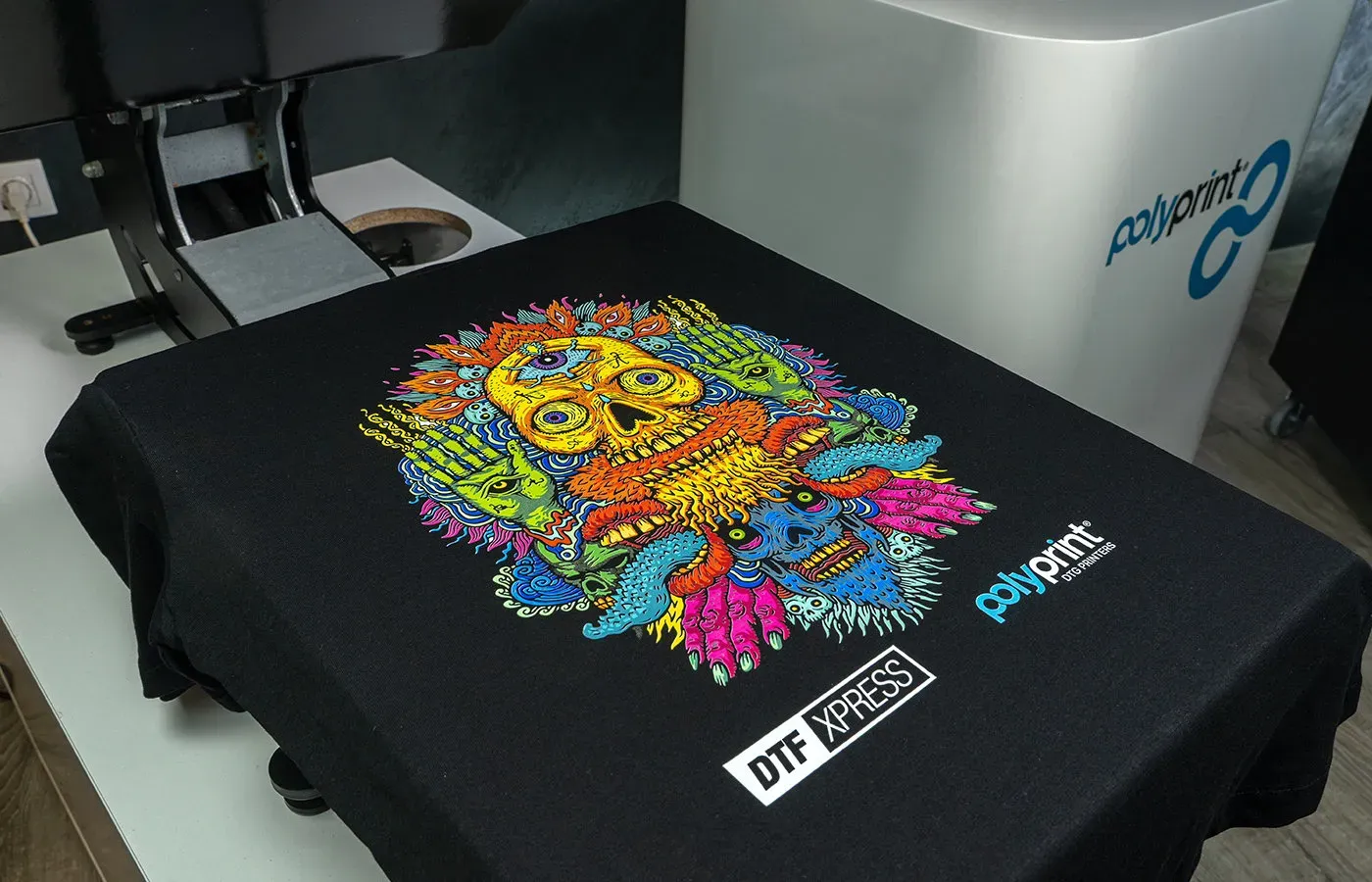
DTF printing, or Direct-to-Film printing, is transforming the world of custom apparel by offering a spectacular method to print vibrant, durable designs on an array of fabric types. This innovative technique has gained traction among designers and hobbyists alike, providing them with a means to create detailed, high-quality prints with ease. Whether you are a seasoned professional or a beginner eager to explore the realm of printing on fabrics, this guide offers essential DTF printing tips to set you on the right path. By understanding how to print DTF effectively, you can unlock new creative possibilities for your projects. Join us as we delve into the fascinating aspects of DTF for beginners and equip you with the tools needed for success in direct-to-film printing for custom apparel.
When exploring the realm of modern printing techniques, one cannot overlook the potential of direct-to-film (DTF) methods, which provide an exceptional solution for creating custom designs. This method, which allows for intricate designs to be transferred onto textiles, has become increasingly popular among crafters and businesses looking to enhance their printing capabilities. The versatility of DTF extends beyond just apparel, making it a valuable tool for anyone interested in printing on fabrics. As we unravel the nuances of how to print using this innovative technique, you'll gain insights tailored specifically for beginners. Join us in discovering invaluable insights and methods that enhance your experience with DTF printing.
Getting Started with DTF Printing for Beginners
Embarking on the DTF printing journey can be both exciting and daunting for beginners. Understanding the fundamental concepts behind Direct-to-Film (DTF) printing is essential for ensuring that your initial attempts are successful. The first step involves researching and familiarizing yourself with the equipment required, such as printers, heat press machines, and transfer films. Knowing how to choose the right printer that supports DTF inks is just as vital as investing in high-quality transfer films and adhesive powders, which significantly influence the final product quality.
As a beginner, be sure to take advantage of online tutorials and workshops catered to DTF printing. These resources can provide valuable insights into design preparation, printing techniques, and troubleshooting common challenges. Joining forums or online communities dedicated to DTF printing can also offer a wealth of knowledge and support from experienced printers, which is invaluable as you start experimenting with your designs.
Essential Tips for Successful DTF Printing
To achieve exceptional results with DTF printing, it's crucial to adopt best practices that can elevate the quality of your final products. First and foremost, conducting test prints on the actual fabric you intend to use is an absolute must. This allows you to fine-tune your printer settings, colors, and designs, ensuring that the output matches your expectations. Many beginners overlook this step, leading to frustrations and wasted materials when they jump straight into their primary projects without proper calibration.
Maintaining your printing equipment is equally important for success. Regularly cleaning the printer nozzles and ensuring your heat press is properly aligned can prevent defects in your prints. Incorporating these preventive measures into your workflow will not only enhance the longevity of your equipment but also improve the overall quality of your prints. Remember, attention to detail in both preparation and maintenance can make a significant difference in your DTF printing outcomes.
Exploring Different Fabrics for DTF Printing
One of the most exciting aspects of DTF printing is its versatility across a wide range of fabrics. From cotton to polyester blends, DTF printing can produce vibrant designs on many materials. This adaptability enables you to create custom apparel that caters to various markets, whether you're producing sportswear, fashion items, or promotional merchandise. Understanding how different fabrics interact with the DTF process will allow you to optimize your designs and achieve stunning results on every material.
When starting with DTF for beginners, experimenting with samples from various fabric stores can yield surprising insights into how your printed designs will turn out. Not all fabrics accept heat and ink equally; some may require adjustments in your heating time or pressure settings. Embrace the learning curve as you explore different fabrics, as these experiments will enhance your skills and creativity in producing unique garments that stand out in the custom apparel market.
The Importance of Color Management in DTF Printing
Color accuracy is crucial in DTF printing, and understanding color management can dramatically improve your print outcomes. The key to achieving the perfect hue lies in using a reliable graphics program that allows you to control color profiles effectively. Make sure to calibrate your monitor to ensure what you see is what you get when it comes to printed results. Additionally, familiarize yourself with color theory and how it applies to fabric types; this knowledge will help you make informed choices about color combinations that will pop on your custom apparel.
When printing with DTF methods, be aware that colors may appear differently on the film and the final fabric. It's advisable to create test swatches and adjust your colors accordingly. Performing these tests will allow you to visualize the end product better and make necessary tweaks before committing to larger runs. Consistently practicing color management strategies will lead to better prints and more satisfied customers.
Troubleshooting Common Challenges in DTF Printing
Every DTF printing journey comes with its share of challenges, and learning to troubleshoot common issues is essential for long-term success. One of the most frequently encountered problems is inconsistent transferring during the heat press process. To combat this, double-check your temperature and pressure settings, ensuring they align with the recommendations specific to your heat press and materials. By keeping a checklist handy, you can quickly resolve potential pitfalls that might deter you from achieving high-quality results.
Another common challenge is color variations across different fabric types. To minimize discrepancies, always document your processes for fabric types and their corresponding settings. If you encounter issues such as fading or unwanted color shifts, take notes and adjust your approach accordingly. Establishing standard operating procedures for each fabric allows you to maintain quality and consistency in your prints as you scale your DTF printing projects.
Advanced Techniques for DTF Printing Mastery
Once you have a solid grip on the basic principles of DTF printing, you might want to explore advanced techniques that can set your work apart from competitors. Techniques such as layering colors, adding textures, and experimenting with special effects can help define your unique style in the DTF printing world. By mastering the use of different inks, including water-based and eco-solvent types, you can create a diverse portfolio of designs that cater to various customer preferences.
Additionally, consider incorporating personalization features into your DTF prints, such as names or unique graphics for clients. The ability to create one-of-a-kind pieces not only enhances customer satisfaction but also promotes repeat business and referrals. As you become more proficient, continue to refine your techniques through online workshops and collaboration with other DTF printing professionals to stay abreast of industry trends and innovations.
Frequently Asked Questions
What are the essential DTF printing tips for beginners?
When starting with DTF printing, beginners should focus on using high-quality inks and films, ensuring proper heat settings, and practicing with different fabrics. Always conduct test prints to adjust colors and settings for optimal results.
How do you print DTF designs onto fabrics?
To print DTF designs, first create your artwork, print it in a mirror image on DTF transfer film using a compatible printer, apply hot-melt adhesive powder, and then transfer it onto the fabric using a heat press.
Can you explain the DTF printing process for custom apparel?
The DTF printing process for custom apparel involves printing designs onto a film, applying adhesive powder, and then utilizing a heat press to transfer the design onto the fabric, ensuring vibrant and durable results.
What printing techniques are best for DTF on different fabrics?
DTF printing is versatile and works well on cotton, polyester, and fabric blends. Adjust the heat and pressure settings on your heat press according to the fabric type to achieve the best adhesion and print quality.
What common challenges might I face in DTF printing for beginners?
Beginners in DTF printing often face challenges like inconsistent transfers due to incorrect heat settings, color variations based on fabric types, and equipment malfunctions. Regular testing and maintenance can help mitigate these issues.
Where can I find more DTF printing tips and resources for better results?
To improve your DTF printing techniques, consider joining online forums and communities dedicated to DTF printing. These platforms provide valuable insights, tips, and support from experienced printers.
| Key Point | Description |
|---|---|
| Introduction | DTF printing revolutionizes custom apparel with vibrant and long-lasting designs. |
| Necessary Equipment | High-quality inkjet printer, heat press machine, DTF transfer film, hot-melt adhesive powder. |
| Step-by-Step Process | 1. Design Preparation 2. Printing 3. Applying Adhesive Powder 4. Heat Transfer to Fabric 5. Peeling the Film |
| Tips for Success | Conduct test prints, maintain equipment, experiment with fabrics, follow guidelines. |
| Common Challenges | Inconsistent transfer, color variations, equipment failure. |
Summary
DTF printing is a groundbreaking method for creating custom apparel that combines high-quality imagery with the versatility of various fabrics. By understanding the essential steps and equipment needed, anyone can successfully dive into the world of DTF. From preparing your designs to applying heat transfers, each stage is crucial for achieving outstanding results. Remember the tips to conduct test prints and maintain your equipment to avoid common pitfalls. Embracing DTF printing opens new avenues for creativity and expression in the apparel industry, ensuring that your designs will stand out with vibrant and lasting impressions.