
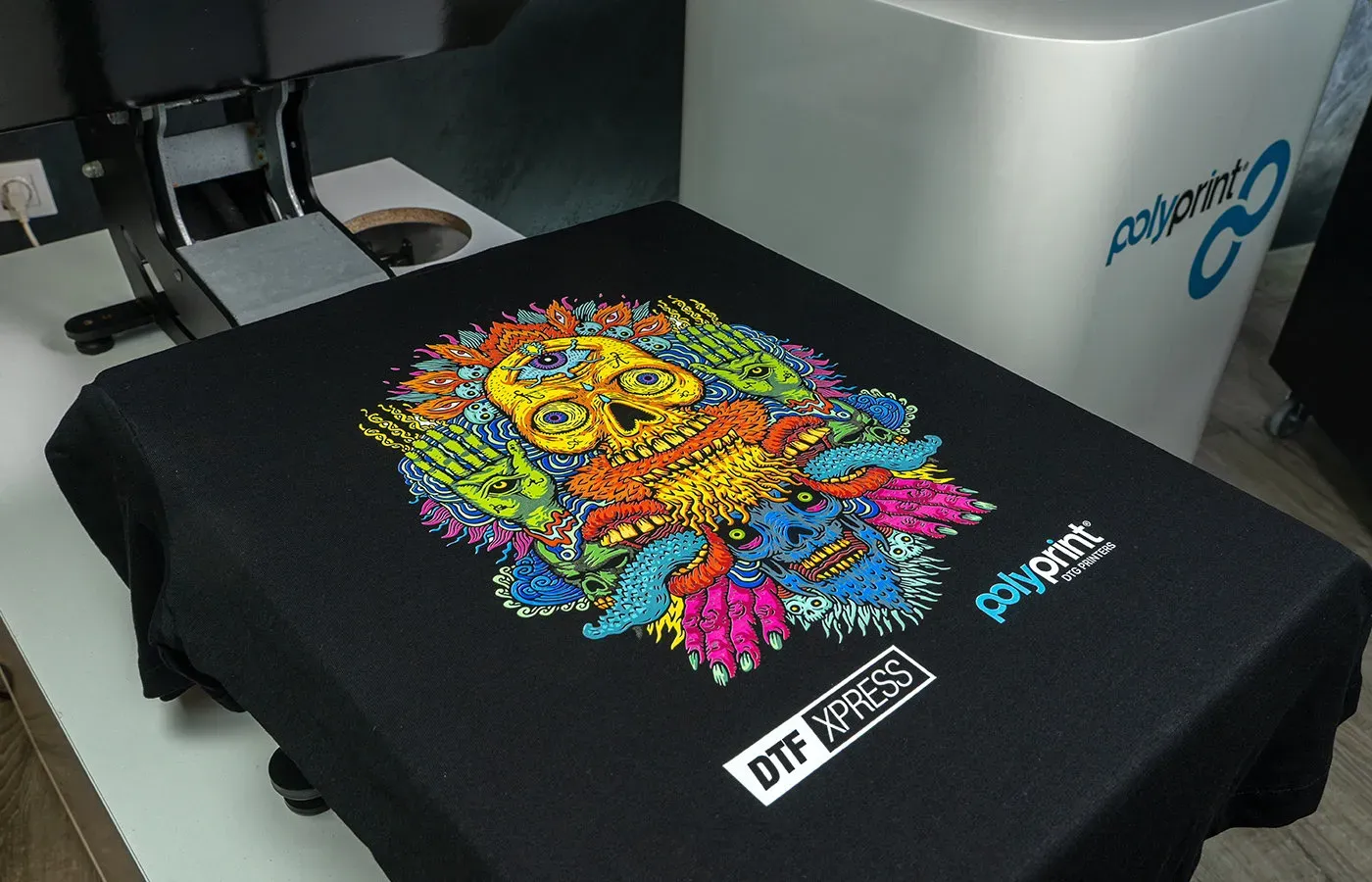
In the ever-evolving world of textile production, DTF printing represents a revolutionary leap forward in customization and quality. Direct to Film (DTF) printing combines cutting-edge technology with artistic freedom, allowing intricate designs to be printed onto a wide variety of fabrics. This method not only streamlines the printing process but also boasts remarkable DTF printing benefits, such as durability and versatility that traditional techniques simply cannot match. As we delve deeper into the realm of DTF equipment, techniques, and the comparison of DTF vs DTG printing, you'll uncover how this innovative approach is transforming the landscape of custom apparel manufacturing. Join us as we explore the potential of DTF printing to redefine what's possible in fashion and textiles.
Exploring the dynamic field of Direct to Film techniques unveils a multitude of opportunities for creators and manufacturers alike. This modern printing process stands out by utilizing specialized methods that ensure vibrant colors and intricate details are showcased on diverse materials. As we discuss the advantages of this printing approach, from its cost-effectiveness to its compatibility with various fabrics, we will uncover why it is gaining traction in today's market. Whether you're comparing Direct to Film printing with other methods or seeking insights on essential DTF equipment, understanding these innovative practices can significantly enhance your custom apparel production. Dive into the world of digital printing technologies, where flexibility meets exceptional quality for all your custom needs.
Understanding the Basics of DTF Printing
Direct to Film (DTF) printing is transforming the textile printing industry by providing a highly efficient process combining high-quality outputs with ease of application. The primary foundation of DTF printing involves transferring a design printed on a special film onto various fabric substrates using heat. This method is particularly advantageous for businesses aiming to offer customized apparel and merchandise, as it eliminates many limitations faced by traditional printing techniques.
The unique characteristic of DTF printing lies in its ability to print intricate designs on an array of materials, from cotton to polyester blends. Unlike Direct to Garment (DTG) printing, which is often confined to specific fabric types and requires extensive pre-treatment, DTF printing is versatile enough to handle a broader spectrum of textiles. As a result, businesses can cater to diverse market demands, making DTF an appealing choice for custom designs.
Key Benefits of DTF Printing
One of the foremost advantages of DTF printing is its remarkable versatility, which allows users to print vibrant, high-resolution designs on various fabric types without the extensive pre-treatment steps required by other methods. This capability enables smaller businesses and startups to explore diverse product lines without needing multiple printing setups, reducing overhead costs and production complexity.
Moreover, DTF printing provides durable prints that withstand wear and tear, maintaining their bright colors through multiple washes. This longevity is a significant selling point for custom apparel, as customers seek high-quality products that retain their appearance over time. In addition to durability, the cost-effectiveness of DTF printing makes it an attractive option compared to other techniques like DTG printing, promoting accessibility for businesses at various operational scales.
Essential Equipment for DTF Printing Success
To achieve optimal results with DTF printing, having the right equipment and materials is crucial. A specialized DTF printer is the primary tool required, designed to work seamlessly with DTF inks and transfer films. This printer is responsible for producing high-resolution images on a PET film, ensuring that the colors and details are vibrant and true to the original design.
In addition to the printer, quality transfer films and adhesive powder play vital roles in the DTF process. The adhesive powder ensures the ink transfers from the film onto the fabric effectively during the heat press stage. A reliable heat press machine is equally important, as it applies the necessary temperature and pressure for successful design transfer, making it a fundamental piece of equipment for anyone venturing into DTF printing.
These essential tools not only affect productivity but directly impact the print quality, making informed equipment investments vital for businesses aiming for success in the competitive textile market.
DTF Printing Techniques and Strategies
Understanding various DTF printing techniques enhances the ability to produce high-quality prints consistently. The process begins with selecting appropriate designs; the artwork must be optimized for print to ensure it translates well when transferred onto fabric. Techniques may vary based on the type of fabrics, inks, and adhesive powders used, presenting opportunities for experimentation and refinement.
Additionally, mastering ink handling and film preparation techniques ensures that prints achieve their fullest potential. Users must familiarize themselves with the ideal settings for their specific DTF equipment and consistently monitor their workflow to prevent issues such as ink clogging in the print heads. By developing a keen understanding of DTF processes, businesses can elevate their product offerings and stand out in the custom printing marketplace.
DTF vs. DTG Printing: A Detailed Comparison
Both DTF and DTG printing techniques offer unique advantages in the apparel printing realm, but they are best suited for different applications and operational needs. DTF printing is often favored for its versatility, enabling it to print on a variety of fabric types including cotton, polyester, and blends, while DTG printing typically requires pre-treated fabrics predominantly compatible with cotton.
When it comes to print quality and durability, DTF printing excels in producing vibrant colors and long-lasting images, making it a strong contender against DTG. The choice between these methods depends on specific business needs, such as volume production rates, fabric compatibility, and operational budget constraints. Understanding the nuances between DTF and DTG printing empowers businesses to select the best method for their particular market.
Recent Innovations in DTF Printing Technology
As the demand for high-quality custom apparel continues to rise, DTF printing technology is advancing rapidly, leading to innovations that enhance efficiency and sustainability. Newer equipment options have emerged that are more user-friendly and compact, catering to smaller operations and home-based businesses. This development enables more entrepreneurs to enter the market, where they can leverage DTF printing's benefits for custom designs.
Moreover, sustainable printing practices are gaining traction within the DTF community, with a push towards using eco-friendly inks and materials. This shift aligns with consumer preferences for environmentally conscious products, helping businesses establish a strong, responsible brand image while meeting market demands. These advancements indicate a bright future for DTF printing, driven by technological innovation and changing consumer expectations.
Frequently Asked Questions
What is DTF Printing and how does it work?
DTF Printing, or Direct to Film Printing, is a process where images are printed onto a special PET film using DTF inks. The printed film is then heat-pressed onto various fabrics, allowing for vibrant and durable designs. This method accommodates multiple fabric types and is known for its high color accuracy.
What are the primary benefits of DTF Printing?
DTF Printing benefits include versatility in printing on different fabrics, cost-effectiveness compared to DTG Printing, durability of prints, and high color accuracy. These advantages make it a preferred choice for custom apparel and various textile applications.
How does DTF Printing compare to DTG Printing?
DTF Printing differs from Direct to Garment (DTG) Printing primarily in its application process. DTF uses a special film for transfers, allowing for broader fabric compatibility without extensive pre-treatment, whereas DTG prints directly onto garments which may limit fabric options.
What equipment is essential for DTF Printing?
Essential DTF Printing equipment includes a DTF printer, special transfer film, adhesive powder, and a heat press. These components are critical for successful printing and transferring of designs onto garments.
Are there any challenges associated with DTF Printing?
Yes, challenges in DTF Printing include the need for regular equipment maintenance to prevent clogging and the learning curve associated with mastering the film preparation and heat settings for optimal results.
What recent innovations are shaping the future of DTF Printing?
Recent innovations in DTF Printing include the emergence of user-friendly, compact equipment suitable for small operations, a shift towards sustainable materials and practices, and significant market growth projected due to advancements in technology and consumer preferences.
| Key Aspect | Description |
|---|---|
| What is DTF Printing? | A revolutionary process that prints images directly onto a film using DTF ink, which is then heat-pressed onto garments. |
| Process Overview | 1. Printing on film; 2. Applying adhesive powder; 3. Curing the film and transferring it to fabric. |
| Benefits | Versatile, durable, cost-effective, and capable of high color accuracy. |
| Equipment Needed | DTF printer, transfer film, adhesive powder, heat press. |
| Recent Developments | Emergence of user-friendly equipment, sustainable practices, and a growing market for DTF printing. |
| Challenges | Equipment maintenance and a learning curve for new users. |
Summary
DTF printing is a transformative development in the textile printing landscape that blends efficiency with exceptional image reproduction, establishing itself as a favored technique among custom apparel producers. This printing method not only opens up new possibilities with material versatility and durability but also supports cost-effective production for businesses both large and small. As DTF printing technology continues to evolve, including innovations that promote sustainability and user-friendliness, it reinforces the potential for outstanding quality in garments and accessories, making it a compelling choice for anyone looking to make a mark in the custom printing industry.