
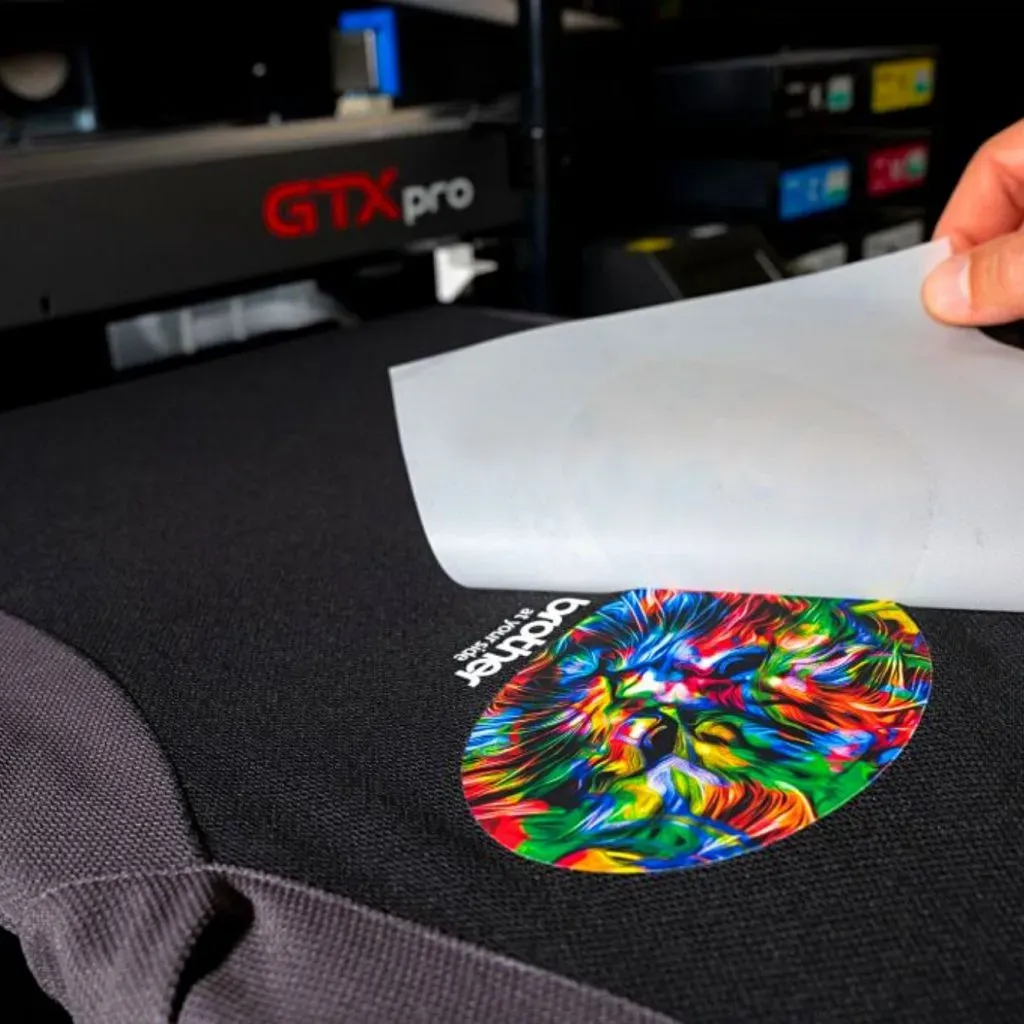
DTF printing, or Direct-to-Film printing, has rapidly gained traction as a groundbreaking method in the textile printing landscape. This innovative technology enables high-resolution images to be printed onto a special film, which can then be seamlessly transferred to a variety of fabrics. As brands and manufacturers increasingly turn to DTF for its ability to deliver exceptional quality and durability, the demand for custom apparel utilizing this technique is on the rise. Emphasizing sustainability, DTF printing stands out by reducing waste and employing eco-friendly practices that appeal to the contemporary consumer. In this article, we will delve into the transformative nature of DTF printing and its capacity to redefine the future of fashion technology, enhancing the textile industry as a whole.
Direct-to-Film printing, commonly referred to as DTF printing, represents a cutting-edge approach in the realm of fabric printing. This method leverages advanced textile technology to transfer vibrant and intricate designs onto fabrics, allowing for a diverse range of applications—from personalized apparel to promotional items. With its focus on sustainable practices and the ability to produce high-quality prints efficiently, DTF printing aligns perfectly with today’s eco-conscious consumer trends. Furthermore, its versatility in accommodating various materials makes it a go-to choice for brands aiming to innovate in custom clothing designs. As we explore the intricacies of this modern printing method, understand how it positions itself as a leader in the ever-evolving fashion industry.
What is Direct-to-Film (DTF) Printing?
Direct-to-Film (DTF) printing represents a cutting-edge method in the textile printing domain, allowing artists and manufacturers to transfer high-quality designs directly to fabrics. Unlike traditional methods, DTF printing employs a specialized film that receives the printed design, which is then heat-pressed onto the textile material. This innovative approach not only ensures a vibrant color spectrum but also enhances the longevity of prints, making them ideal for custom apparel and a wide variety of textiles, including cotton and polyester. As brands increasingly seek to differentiate themselves, DTF emerges as a compelling option that meets the evolving demands of the market.
Moreover, DTF printing facilitates a seamless transition from design to final product, which is particularly advantageous for businesses focusing on small batch productions. The method supports quick designs, reducing lead times significantly compared to traditional screen printing. As sustainability becomes a priority within the fashion industry, DTF printing aligns perfectly with these values by minimizing waste and offering eco-friendly ink options. Therefore, understanding DTF is crucial for businesses aiming to leverage modern technologies for competitive advantage in the vibrant world of textile printing.
Advantages of DTF Printing in Textile Manufacturing
One of the primary advantages of Direct-to-Film (DTF) printing is its exceptional versatility, which allows it to cater to a range of fabrics and applications. Whether it’s a blend of materials or specialty fabrics, the DTF process adapts effortlessly, delivering consistent quality irrespective of the base material. This trait makes it an invaluable asset for custom apparel makers who aim to personalize their offerings. With DTF, manufacturers can create intricate designs with fine details, providing brands with a unique opportunity to stand out while fulfilling customer needs for tailored products.
In addition to its adaptability, DTF printing stands out for its lower production costs, especially beneficial for small businesses and startups in the fashion industry. Unlike conventional screen printing, where setup and printing require considerable investment in time and resources, DTF printing allows for quick turnaround and minimal waste, enhancing operational efficiency. This efficiency not only satisfies the time-sensitive nature of modern retail but also accommodates consumer trends towards customization and personalization, ultimately driving brand loyalty and repeat purchases.
Sustainability is another paramount advantage of DTF printing. By utilizing water-based and eco-solvent inks, which are less harmful than traditional plastisol inks, DTF supports environmentally responsible practices in textile production. This capability aligns with the growing consumer demand for products that reflect ethical values, as more shoppers prefer brands that prioritize sustainability. As a result, businesses leveraging DTF technology position themselves favorably among eco-conscious consumers, reinforcing their brand identity in an increasingly competitive market.
Impact of DTF on Custom Apparel Trends
The advent of Direct-to-Film (DTF) printing has significantly reshaped trends in custom apparel. In a fast-paced fashion landscape, consumers are looking for unique, personalized clothing options that reflect their identities and styles. DTF printing meets this demand by providing quick, cost-effective customization that can accommodate intricate designs and high-quality graphics. This has made it immensely popular among fashion brands and retailers targeting younger demographics, particularly millennials and Gen Z, who prioritize individualized styles over mass-market offerings.
Furthermore, the DTF method supports small businesses in entering the custom apparel market with fewer barriers. The ability to produce small runs of customized items without hefty setup fees facilitates entrepreneurship and creative expression. As more designers experiment with DTF printing, we can expect to see even further diversity in style and design, propelling a culture of innovation in apparel manufacturing. The growth of DTF printing reflects a broader trend where consumer preferences drive industry shifts, emphasizing personalization and sustainability.
DTF Printing and Sustainable Fashion Technology
Direct-to-Film (DTF) printing is carving out a niche within the sustainable fashion technology realm through its eco-friendly practices and reduced waste production. Traditional methods of textile printing often result in excessive ink waste and pollution due to the use of chemical-heavy inks and extensive cleanup processes. DTF, on the other hand, utilizes water-based inks that minimize environmental impact. As brands become more conscious of their ecological footprint, DTF printing offers an efficient alternative that aligns with sustainable practices while still delivering high-quality results.
Additionally, DTF technology supports a circular fashion model by enabling smaller batches and on-demand printing. This approach significantly reduces the overstock issues commonly faced in the apparel industry, where unsold inventory contributes to environmental harm. By adopting DTF printing, brands can create collections based on real-time consumer feedback, fostering a more responsible and responsive manufacturing process. As sustainability continues to be a key factor driving purchasing decisions, the integration of DTF printing into business models ensures that companies remain relevant and align with consumer values.
Future Prospects of DTF Printing in the Textile Industry
The future of Direct-to-Film (DTF) printing in the textile industry looks incredibly promising, with forecasts indicating robust growth driven by continuous advancements in printing technology. As manufacturers scale their operations and develop enhanced capabilities, DTF printing will likely become the go-to choice for both niche brands and large fashion houses. Moreover, as integration with digital technologies evolves, we expect to see more sophisticated designs and intricate patterns made possible through DTF methods, appealing to an audience eager for innovative and unique styles in custom apparel.
Market analyses suggest that the demand for DTF printing will increase in tandem with changing consumer habits and an emphasis on personalization. As the fashion industry grows more dynamic and responsive, the capabilities of DTF printing will facilitate designers in producing smaller, more diverse collections without compromising on quality or sustainability. This adaptability positions DTF as a vital component in the future landscape of fashion technology, paving the way for a transformative shift in how garments are designed, produced, and marketed.
Frequently Asked Questions
What is DTF printing and how does it work?
DTF printing, or Direct-to-Film printing, is a modern textile printing technique that involves printing designs onto a special transfer film. This film is coated with a unique DTF ink that bonds well to various fabrics, resulting in vibrant and durable prints. After printing, the film is heat-pressed onto the fabric, allowing for high-quality designs suitable for custom apparel and other applications.
What are the advantages of using DTF printing over traditional textile printing methods?
The advantages of DTF printing include exceptional image quality, versatility across a range of fabrics, and ease of use. Compared to traditional textile printing methods, DTF provides faster production times and reduces waste, making it a more sustainable option for fashion brands seeking custom apparel solutions.
How does DTF printing fit into sustainable printing practices?
DTF printing contributes to sustainable printing practices through the use of eco-friendly inks and materials. As DTF technology evolves, it increasingly incorporates sustainable alternatives to traditional inks, minimizing environmental impact while providing durable and vibrant prints for the textile industry.
Can DTF printing be used for all types of fabrics?
Yes, DTF printing is highly versatile and can be used on a variety of fabric types, including cotton, polyester, and blended fabrics. This adaptability makes it an ideal choice for creating custom apparel and promotional products across different textile applications.
What is driving the market growth for DTF printing technology?
The DTF printing market is experiencing growth due to increasing consumer demand for personalized and custom apparel. The rise of millennials and Gen Z seeking unique fashion expressions, coupled with lower startup costs for businesses using DTF, are key factors contributing to this upward trend in the textile printing industry.
What trends are shaping the future of DTF printing in the fashion industry?
Key trends shaping the future of DTF printing in the fashion industry include a focus on customization, the demand for sustainable practices, and technological advancements that enhance print quality and efficiency. Fashion brands are adopting DTF to quickly produce intricate designs while meeting eco-conscious consumer preferences.
| Key Development | Description |
|---|---|
| Technology Advancements | Improvements in ink formulations and sustainable eco-solvent inks, enhancing print vibrancy and durability. |
| Market Expansion | Projected CAGR of over 10% driven by demand for personalized apparel and lower startup costs for businesses. |
| Applications in Fashion | Quick production of intricate designs with reduced waste, supporting sustainability in fashion. |
| Competitive Landscape | Growing competition and investment in R&D leading to faster, more efficient DTF printing technologies. |
| Consumer Trends | Increasing demand for personalized clothing among younger consumers, driving innovation in custom printing. |
Summary
DTF printing is a groundbreaking advancement in the textile printing industry, merging exceptional image quality with eco-friendly practices. By employing advanced technology to print on specialized film, DTF provides vibrant and durable prints on a variety of fabrics. This adaptability makes it suitable for custom apparel and promotional items, catering to the growing demand for personalization. As the DTF printing market continues to expand, its sustainable approach positions it as a leader in innovation, ensuring it fulfills both consumer desires and environmental responsibilities.