
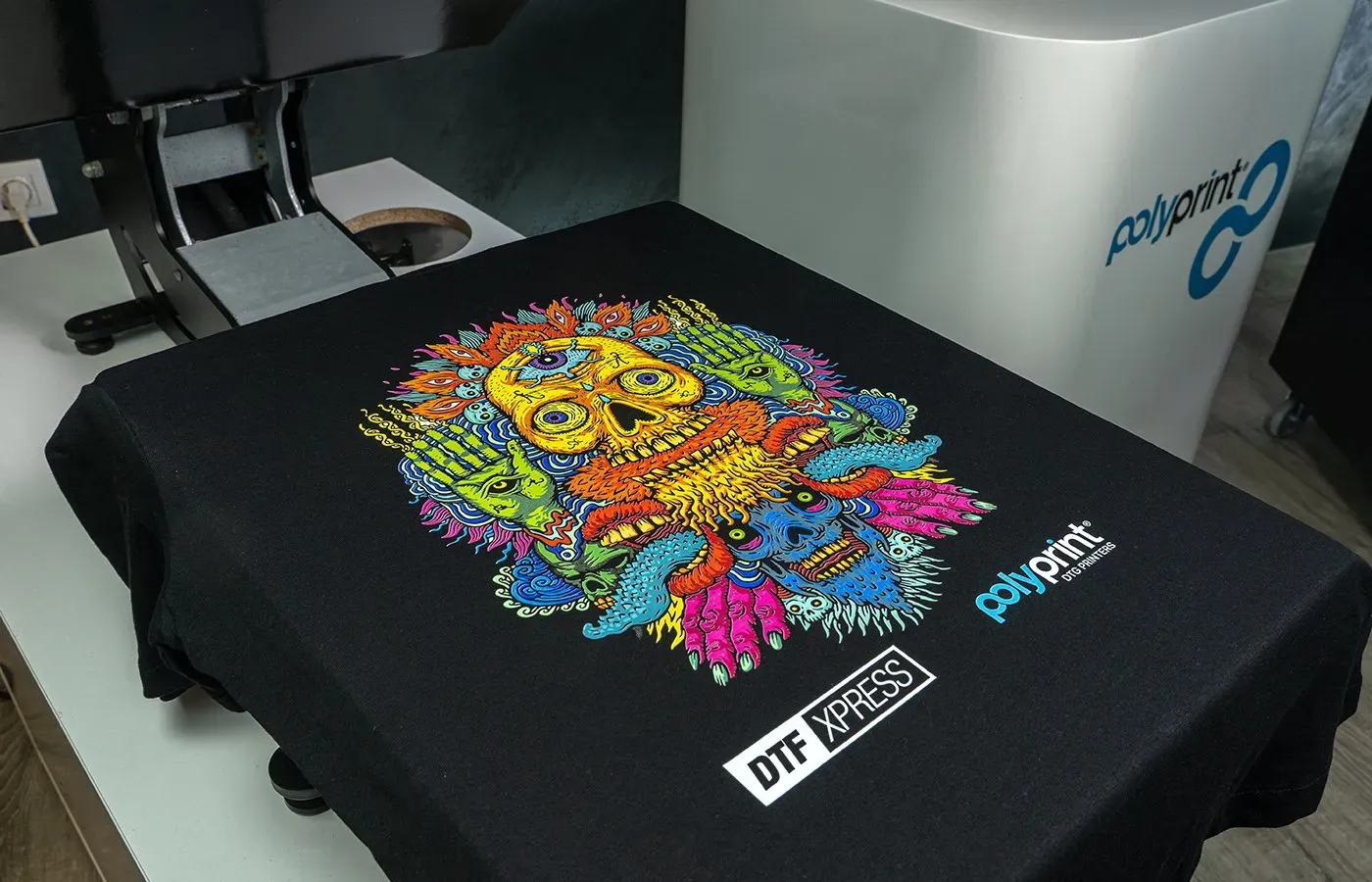
In recent years, DTF printing, or Direct to Film printing, has emerged as an exciting innovation in the realm of fabric customization. This custom printing technology enables designers and businesses to produce vibrant, high-quality images on a wide variety of fabrics, from trendy apparel to unique promotional items. As the demand for personalized clothing continues to rise, DTF printing is poised to revolutionize the way consumers experience fabric customization, cementing its place as a key player in the future of fabric printing. With its efficient process and impressive output quality, DTF print benefits are becoming increasingly clear to both creators and consumers alike. In this article, we'll dive into the details of DTF printing, exploring its capabilities, advantages, and potential to transform the industry.
Direct to Film printing, often referred to as DTF, stands at the forefront of modern printing technologies for textiles. This innovative approach facilitates a seamless transfer of intricate designs onto fabrics using flexibility and eco-conscious methods. By merging digital creativity with precision printing, DTF presents new avenues for fabric customization that resonate with today's consumers. As the landscape of custom printing technology evolves, DTF printing not only meets but also exceeds the expectations of those seeking to personalize their products. Join us as we explore how this emerging trend is setting the stage for the future of fabric printing.
Understanding Direct to Film (DTF) Printing
Direct to Film (DTF) printing is a revolutionary process that streamlines the way fabric customization is approached. Unlike traditional printing methods, DTF printing uniquely combines the benefits of high-resolution output with versatility. By employing a special film that captures the design, this method enables intricate graphics and vivid colors to be transferred onto a variety of materials, including cotton and polyester. As technology continues to advance, the efficiency of DTF printing is positioned to reshape the expectations for quality in custom prints.
The essence of DTF printing lies in its ability to cater to diverse surface textures and types. This adaptability makes it ideal for small-scale operations, artists, and businesses aiming to fulfill specific customer demands. With the increasing interest in personalized products, DTF printing can be seen as a pivotal tool in the fabric industry, facilitating everything from promotional attire to bespoke fashion pieces. This innovation marks a significant shift away from conventional methods, highlighting DTF printing's role in the future of custom printing technology.
Benefits of DTF Printing Technology
One of the key advantages of DTF printing is its remarkable flexibility in design. This custom printing technology allows businesses to produce unique designs in small batches, which is particularly beneficial for enterprises looking to provide tailored solutions without the high overhead costs typically associated with large-scale production. This ability not only reduces waste but also allows artists and designers to experiment with less financial risk.
Moreover, DTF prints are celebrated for their durability and resistance to washing. Unlike traditional print methods, DTF prints maintain their quality even after multiple uses and washes, offering consumers both visual appeal and practicality. The environmentally friendly aspect of DTF printing, utilizing water-based inks, further positions it as a contemporary choice for businesses keen on sustainable practices. Therefore, the benefits of DTF printing extend beyond aesthetics, contributing to operational efficiency and eco-conscious manufacturing.
The DTF Printing Process Explained
The DTF printing process is crafted through a series of meticulously designed steps that ensure high-quality results every time. It begins with precise design creation, where digital graphics are prepared specifically for film printing. This careful attention to detail sets the stage for a seamless production process. Next, the design is printed onto a DTF film using high-quality inks that facilitate vibrant color reproduction and clarity.
Following the printing phase, the application of a hot-melt adhesive onto the wet ink alters the dynamic of fabric customization. This adhesive ensures that the print withstands the rigors of washing and wearing, significantly enhancing longevity. The final step, heat transfer, marries design and fabric, resulting in a product that is visually striking yet practical. This method not only solidifies the design on various materials but accentuates the efficiency and capabilities of DTF printing as a modern solution.
Market Trends Shaping DTF Printing
The market landscape for DTF printing is evolving rapidly, driven by consumer demand for unique, personalized items. As customers increasingly favor one-of-a-kind pieces over mass-produced goods, DTF printing stands out as a favorable solution for businesses looking to tap into this lucrative niche. E-commerce platforms are swiftly adopting this technology, enabling a more extensive reach for small businesses and independent designers to showcase their custom printed products directly to consumers.
Another trend influencing the DTF printing market is the advent of enhanced technology. Continuous advancements in both printing machines and software are expediting the production process, allowing for faster turnarounds without sacrificing quality. These innovations not only cater to the rising order volume but also encourage creative exploration among designers, thus maintaining the relevance of DTF printing in the competitive market.
Future Innovations in DTF Printing Technology
The future of DTF printing appears promising, with anticipated advancements in ink technology and printing equipment. Innovations are gearing towards improving color depth and durability, allowing businesses to deliver even more vivid designs that last longer on fabrics. Likewise, the development of eco-friendly inks is crucial in aligning DTF printing practices with sustainable strategies, reflecting consumers' growing preference for environmentally conscious products.
Furthermore, software developments aimed at simplifying the design-to-print workflow will empower more users to engage with DTF printing technology. Enhanced graphic design tools will make it easier for both novice users and experienced designers to create complex prints that meet market demands. As a result, the future of DTF printing is not just about improved results but also about democratizing access to high-quality custom printing technology.
Sustainability in DTF Printing Practices
Sustainability is becoming a significant focus in the fabric printing industry, and DTF printing practices are leading this charge. The utilization of water-based inks is a notable advancement, drastically reducing harmful emissions compared to conventional printing methods. By prioritizing eco-friendly materials and processes, businesses can minimize their environmental footprint while still delivering high-quality fabric products.
As sustainability continues to define modern manufacturing, the DTF printing sector is likely to embrace practices that not only comply with regulations but also resonate with consumer values. The integration of recycled materials, energy-efficient practices, and the reduction of waste during production can enhance brand reputation and attract eco-conscious consumers. This focus on sustainability represents an essential aspect of the future of fabric printing, driving continued innovation and commitment to responsible practices.
Frequently Asked Questions
What is DTF printing and how does it work?
DTF printing, or Direct to Film printing, is an innovative custom printing technology that allows vibrant designs to be printed onto a special coated film, which is then heat-pressed onto fabric. This method produces high-resolution images that are durable and suitable for various materials.
What are the benefits of DTF printing compared to traditional methods?
The benefits of DTF printing include its ability to produce high-quality prints quickly, cost-effectiveness for small runs, and flexibility in customization. Unlike traditional methods, DTF printing is perfect for small businesses looking to create personalized fabric items without large upfront costs.
Is DTF printing suitable for all types of fabrics?
Yes, DTF printing is suitable for a wide range of fabrics including cotton, polyester, and blended materials. This versatility allows businesses to use DTF printing for diverse applications in fabric customization.
How does DTF printing contribute to sustainable practices in fabric printing?
DTF printing contributes to sustainability by utilizing water-based inks, which reduce environmental impact compared to solvent-based inks. Additionally, the process minimizes waste, making it an eco-friendly choice within the fabric customization industry.
What trends indicate that DTF printing is the future of fabric customization?
Current trends such as rising consumer demand for personalized products, integration with e-commerce platforms, and continuous technological advancements in printing suggest that DTF printing is set to revolutionize the fabric customization market.
How can businesses leverage DTF printing technology for custom printing needs?
Businesses can leverage DTF printing technology by offering unique, customized products that cater to individual customer preferences. This can be achieved through on-demand printing, providing a seamless shopping experience for clients seeking personalized fabric items.
| Key Point | Description |
|---|---|
| What is DTF Printing? | A printing method transferring designs onto fabric via a coated film using heat and pressure. |
| The DTF Printing Process | Involves design creation, printing on film, applying adhesives, and heat transfer to fabric. |
| Benefits of DTF Printing | Customization, cost-effectiveness for small runs, high-quality prints, and environmentally friendly options. |
| Market Growth and Trends | Increasing demand for customization, integration with e-commerce, and technological advancements. |
| Future Prospects | Advancements in ink technology, software developments, and increased competition enhancing quality. |
Summary
DTF printing is revolutionizing the fabric customization industry by offering a unique and efficient solution for producing vibrant, high-quality prints. This innovative technology not only meets the consumer demand for personalized products but also promotes sustainability in printing. As DTF printing continues to grow and evolve, businesses that adopt this method are well-positioned to thrive in a competitive market, leveraging advancements in technology and design to meet the needs of their customers. Therefore, it is essential for entrepreneurs and designers to stay informed about the opportunities that DTF printing presents, as it officially marks the future of print and customization.