
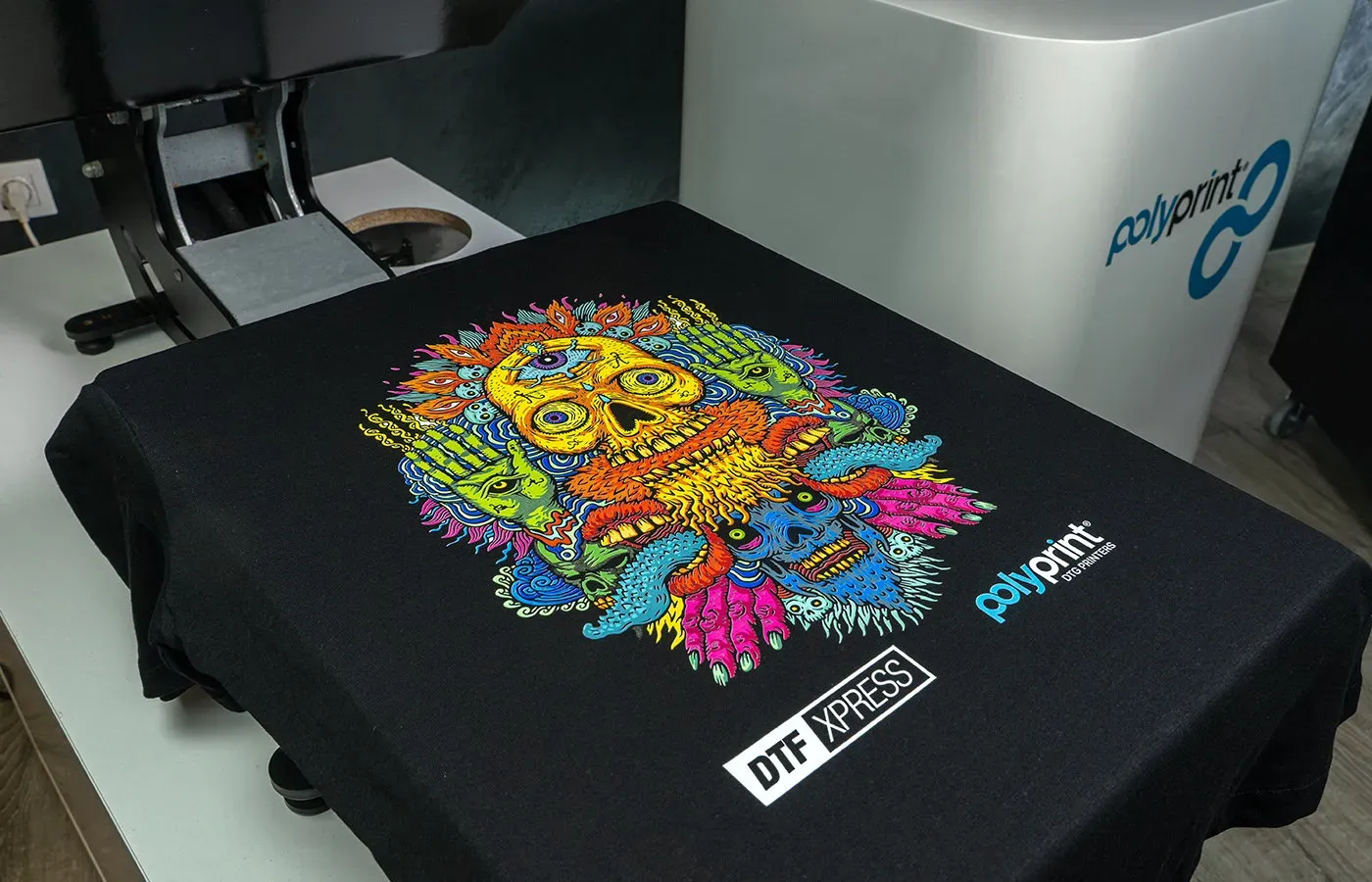
In the evolving realm of textile printing, DTF printing, or Direct to Film printing, has emerged as a revolutionary technique that transforms how designs are applied to fabrics. Unlike traditional printing methods, DTF printing utilizes a special film to transfer intricate and colorful graphics with remarkable precision and efficiency. This innovative technology not only allows for greater flexibility in design but also aligns with the latest DTF printing trends focused on sustainability and customization. As businesses increasingly seek eco-friendly solutions, DTF printing stands out for its reduced waste and use of safe inks, appealing to the environmentally conscious consumer. In this article, we will delve into the advancements and market potential of DTF printing, showcasing its significant role in the future of textile printing technology.
Exploring the world of Direct to Film technology, we uncover a new era in custom printing that is redefining modern textile applications. This method, synonymous with DTF printing, offers an agile approach to creating bespoke designs on various materials, fostering an environment where creativity knows no bounds. With increasing focus on sustainable printing practices, this digital printing technique not only enhances design versatility but also meets the soaring demand for personalized products. As the textile industry embraces these innovative printing solutions, the integration of eco-friendly materials and advanced printing capabilities will become pivotal in shaping the future. Whether for promotional items or unique personal creations, this textile printing technology is set to change how consumers and businesses alike view customization and sustainability.
The Rise of DTF Printing: A Technological Revolution in Textile Printing
In the rapidly evolving world of textile printing, DTF (Direct to Film) printing has become a game-changer. This innovative technology has transformed how designs are applied to various fabrics by utilizing heat and pressure to transfer prints from a film onto textiles. The advent of modern DTF printers equipped with cutting-edge technology ensures that businesses can produce high-resolution graphics that are both vibrant and detailed. Customers today demand quality, and DTF printing meets this requirement by offering intricate designs that traditional methods may struggle to achieve.
Furthermore, DTF printing is not only efficient in terms of design capabilities but also in its operational workflow. With reduced setup times compared to methods like screen printing, companies can swiftly turn around orders while maintaining quality. This agility is crucial in today’s fast-paced market environment, where trends change rapidly, and consumer preferences are ever-evolving. As a result, DTF printing stands as a testament to the integration of technology and artistry in the textile industry.
Exploring Advancements in DTF Printing Technology
Recent technological advancements in DTF printing have been instrumental in enhancing production efficiency and print quality. Newer models of DTF printers provide higher resolutions and improved color accuracy, which are essential for businesses aiming to deliver visually captivating products. Additionally, advancements in print speed allow for quicker turnaround times, enabling businesses to better meet consumer demand without sacrificing quality. These innovations are essential, especially as the competition in the textile printing market intensifies.
The continuous improvement of software and hardware used in DTF printing has also played a critical role in the growth of this technology. Businesses are now able to utilize sophisticated software that allows for better file management and design flexibility, streamlining the entire printing process. As a result, entrepreneurs and established businesses alike can leverage these enhancements to sharpen their competitive edges, ensuring they remain relevant and appealing to today’s discerning customers.
DTF Printing Trends: Sustainability and Eco-Friendly Practices
Sustainability is becoming a paramount concern in the textile printing industry, and DTF printing is stepping up to the plate. Businesses are increasingly using eco-friendly inks and materials, which not only reduce environmental impact but also appeal to the growing segment of consumers who prioritize sustainable practices. By adopting these greener alternatives, companies can position themselves as responsible brands and attract environmentally conscious consumers.
Moreover, the shift towards sustainable DTF printing practices aligns with global trends that emphasize waste reduction and resource conservation. Companies that integrate these sustainable approaches into their marketing strategies can capitalize on the potential to differentiate their offerings. As consumers become more aware of the environmental implications of their purchases, brands that showcase their commitment to sustainability will undoubtedly gain a competitive advantage.
The Growing Demand for Customization in DTF Printing
Customization has emerged as a critical factor driving the popularity of DTF printing. Today’s consumers increasingly seek unique, personalized products that reflect their individual tastes and preferences. DTF printing excels in this area, allowing businesses to produce intricate and tailor-made designs for each order. Brands that offer personalized options can create deeper connections with their customers, fostering loyalty and repeat business.
The ability to offer custom designs is not just about catering to individual preferences; it’s also about tapping into niche markets that demand specific aesthetics or themes. Custom printing through DTF technology enables businesses to explore creative avenues, whether it's for apparel, promotional products, or home decor. This burgeoning demand for personalization opens up new revenue streams for companies willing to invest in this trend.
E-Commerce Integration: Shaping the Future of DTF Printing
With the rise of online shopping, DTF printing businesses are increasingly integrating with e-commerce platforms. This shift allows consumers to customize their products directly on websites, offering a seamless shopping experience. By facilitating real-time design alterations and orders, brands can streamline operations, enhance user experience, and ultimately drive sales. The marriage of DTF printing and e-commerce is reshaping how products are sold and personalized in the digital age.
Successful e-commerce integration not only benefits the consumer but also provides businesses with valuable insights into purchasing behaviors and trends. By analyzing data generated through online platforms, companies can refine their offerings and invigorate their marketing strategies. As e-commerce continues to evolve, DTF printing will likely become a staple in the online marketplace, catering to a tech-savvy customer base seeking convenience and personalization.
Cost Efficiency and Accessibility of DTF Printing for Small Businesses
As the market for DTF printing has expanded, the associated costs have become more competitive, allowing even smaller businesses to leverage this technology. The reduction in prices for both machines and inks has democratized access to high-quality printing services, empowering startups and small businesses. This is particularly beneficial in industries where custom designs and quick turnaround times are crucial for keeping up with demand.
Moreover, the increased affordability of DTF printing technology means that entrepreneurs can invest less in setup costs and more into creative designs and marketing efforts. This shift is allowing more players to enter the market, diversifying the landscape, and fostering innovation. Consequently, as competition heats up, businesses that utilize DTF printing efficiently will not only optimize their operations but also enhance their market reach.
Frequently Asked Questions
What is DTF printing and how does it work?
DTF printing, or Direct to Film printing, is a modern textile printing technology that involves transferring designs from a special film onto fabric. This process utilizes heat and pressure to ensure high-quality prints, allowing for vibrant colors and intricate patterns that surpass traditional methods like screen printing.
What are the key benefits of using DTF printing for custom designs?
DTF printing offers significant advantages for custom printing, including faster setup times, the ability to print multi-color designs with precision, and enhanced durability of prints. As a cost-effective solution, DTF printing is ideal for businesses looking to cater to personalized demands in the textile market.
How has DTF printing technology evolved over recent years?
The evolution of DTF printing has seen technological advancements that enhance resolution and print speed, leading to better quality outputs. Innovations in materials, specifically the use of eco-friendly inks and advanced films, have improved adhesion and wash-fastness, driving the adoption of DTF printing among various industries.
What are the current trends in DTF printing that businesses should consider?
Current trends in DTF printing include increasing demand for sustainable printing, growth in e-commerce integration, and customization options for consumers. Businesses must adapt to these trends to remain competitive, as modern consumers are prioritizing eco-friendly and personalized products.
Can DTF printing contribute to sustainable printing practices?
Yes, DTF printing contributes to sustainable practices by minimizing waste and utilizing environmentally safe inks. As brands focus on sustainability, incorporating DTF technology with eco-friendly materials can help businesses meet consumer expectations for responsible printing methods.
What markets are now embracing DTF printing beyond apparel?
Beyond the apparel industry, DTF printing is expanding into sectors such as promotional merchandise, home decor, and personalized gifts. This versatility allows businesses to leverage DTF technology for a broader range of applications, increasing their market potential.
| Key Trend | Description |
|---|---|
| Technological Advancements | Modern DTF printers have higher resolutions and faster print speeds, enhancing production efficiency and design quality. |
| Material Innovations | Advanced films and eco-friendly inks improve print durability and align with consumer preferences for sustainability. |
| Market Expansion | DTF printing is being adopted across various sectors beyond apparel, offering opportunities for businesses to diversify. |
| Cost Efficiency | Increased competition has lowered the costs of DTF printing, making it accessible for small businesses and startups. |
| Customization Demand | Consumers' desire for personalized products drives the demand for bespoke designs enabled by DTF printing. |
| Integration with E-commerce | Businesses are incorporating DTF printing with e-commerce platforms for improved customer interaction and sales. |
| Sustainability Trends | Consumers are favoring brands that focus on sustainability; DTF printing supports this through minimized waste and safe inks. |
Summary
DTF printing represents a revolutionary step in textile printing technology, offering a blend of innovation, quality, and sustainability. This printing method allows for intricate designs that appeal to a wide array of industries, expanding its footprint beyond traditional markets. The advancements in technology and materials used in DTF printing enhance product quality while also addressing environmental concerns, making it a preferred choice among modern consumers. As businesses adapt to these emerging trends, they not only improve their operational efficiency but also align themselves with the growing demand for sustainable and customizable printing solutions. Embracing DTF printing thus positions companies favorably within a competitive landscape, ensuring they remain relevant in an evolving market.