
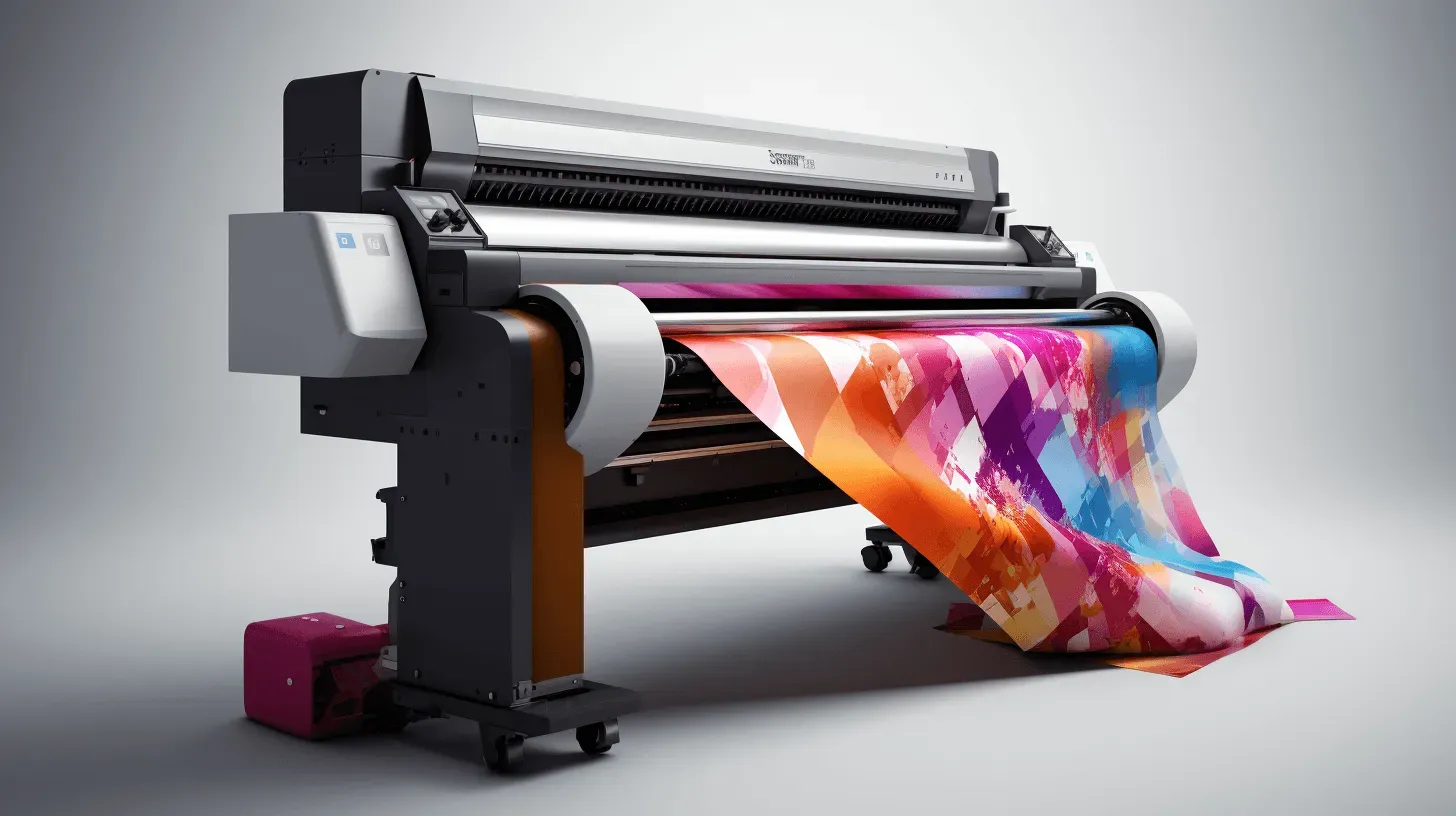
DTF printing, or Direct-to-Film printing, represents a groundbreaking advance in the textile printing sector. This innovative method transfers vibrant, detailed images directly onto fabrics, making it a preferred choice for many artists and entrepreneurs alike. The surge in popularity of DTF printing can be attributed to its numerous cost-effective printing solutions, which significantly reduce waste and enhance the customization of fabric prints. Creatives are increasingly drawn to the economics of DTF printing, as it facilitates unique designs without the heavy upfront costs typically associated with traditional textile printing methods. This article will explore the various DTF printing benefits and how they cater to the evolving demands of the market.
Direct-to-Film printing is transforming the landscape of custom fabric printing through innovative techniques that benefit both small businesses and artists. This alternative printing method utilizes a special film to apply stunning designs directly onto various textiles, showcasing clarity and vibrancy that rivals other traditional methods. Emphasizing cost-effective printing solutions and reduced material waste, this approach allows for greater creativity and flexibility in production. As the textile printing industry becomes more competitive, understanding the textile printing economics will be essential for anyone looking to maximize their artistic potential and profitability. In this discussion, we will delve into the advantages that DTF technology brings to modern fabric printing.
The Rise of DTF Printing in Textile Industry
DTF printing has quickly positioned itself as a transformative force within the textile and garment printing industry. Emerging at a time when customization and speed are in high demand, this method stands out due to its unique advantages over traditional printing techniques. Rather than requiring complex setups and extensive labor, DTF printing streamlines the entire production process, making it accessible for small businesses and independent creators. The innovative aspect of DTF technology is its ability to produce intricate designs with vibrant colors on various fabric types, thereby expanding the creative possibilities available to designers.
As the market continues to evolve, more creatives are recognizing the potential of DTF printing as a viable entry point into the world of custom fabric printing. The low initial costs and minimal waste associated with DTF processes enable businesses to operate efficiently while meeting consumer demands for personalization. As a result, numerous small businesses are adopting this technology, which is projected to grow as interest in custom-designed apparel and products rises.
Cost-Effective Printing Solutions with DTF
One of the standout advantages of DTF printing is its cost-effectiveness. When comparing the initial investment required for screen printing versus DTF, the latter comes out on top, allowing aspiring entrepreneurs to enter the market without excessive financial burden. For creatives just starting, this means that they can leverage quality printing at a fraction of the cost, enabling them to invest in more inventory or marketing rather than high equipment costs. This strategy not only fosters creativity but also increases the viability of home-based and small-scale businesses.
Moreover, DTF printing's ability to cater to small batch orders without compromising quality makes it a perfect solution for personalized projects. Rather than producing large runs that may not sell, businesses can produce only what is necessary, aligning perfectly with current trends toward customization and sustainability. This efficiency reduces unnecessary waste and optimizes profitability, embodying the essence of smart textiles and cost-effective printing solutions that resonate with modern consumers.
Exploring Custom Fabric Printing with DTF
Custom fabric printing has become a prominent niche in the creative industry, and DTF printing is at the forefront of this trend. With its ability to transfer stunning, richly colored images directly onto fabrics, DTF offers designers unmatched flexibility in their work. This technology allows for detailed designs, intricate patterns, and vibrant colors that can enhance the visual appeal of any garment or textile product, catering to distinct styles and customer preferences.
The appeal of DTF printing also lies in its compatibility with various fabric types, including cotton, polyester, and cotton-blend materials. This wide range of applicability means that creatives can expand their offerings to meet diverse market needs, producing everything from stylish apparel to promotional items. As demand for unique, high-quality fabrics continues to grow, DTF printing presents opportunities for artists and businesses to thrive by tapping into the lucrative custom fabric printing market.
Understanding the Textile Printing Economics
In the realm of textile printing, understanding the economics is crucial for any successful business model. DTF printing stands out in this regard by providing a blend of affordability and efficiency that traditional methods often lack. The lower setup costs typically associated with DTF processes allow businesses to maximize their investments, resulting in higher profit margins for each item sold. Moreover, as the technology becomes more accessible, particularly to smaller players in the market, the overall economic impact of DTF printing is likely to increase.
The capacity for reduced waste is another significant economic consideration for DTF printing. As businesses adopt more sustainable practices, the ability to print only what is necessary contributes to lowering operational costs and fostering a more environmentally responsible industry. The economic advantages presented by DTF printing thus align well with current consumer preferences, emphasizing the need for cost-effective solutions that also promote sustainability within the textile printing sector.
Speed and Efficiency in DTF Printing
In today's fast-paced market, speed and efficiency in printing processes are vital for maintaining competitiveness. DTF printing excels in this area, offering rapid production times that can be crucial for businesses, particularly in the e-commerce space. Since DTF printing streamlines production through its simplified workflow, businesses can efficiently fulfill orders without sacrificing quality or detail, aligning perfectly with consumer demands for timely service.
This rapid turnaround capability is increasingly important as consumers become accustomed to swift delivery times and quick responses from brands. The efficiency of DTF printing not only caters to these expectations but allows companies to adapt quickly to market trends and shifts in consumer demand. Consequently, DTF printing is not just a cost-effective solution but also a strategic advantage that can lead to increased customer satisfaction and loyalty.
Innovations in DTF Printing Technology
As the DTF printing industry continues to evolve, technological advancements are playing a significant role in redefining the landscape. Innovations in printer design and DTF-specific inks have led to enhanced print quality, durability, and color vibrancy, which are essential for meeting the high standards of modern consumers. These advancements ensure that creators can produce exceptional results that stand out in a crowded market.
Furthermore, as manufacturers invest in research and development, new ink formulations aimed at sustainability are emerging, providing environmentally friendly options that support the growing demand for responsible production practices. This commitment to innovation not only bolsters the credibility of DTF printing as a serious contender in the fabric printing industry but also reinforces its position as an economically wise choice for creators looking to balance quality, cost, and environmental considerations.
Frequently Asked Questions
What is DTF printing and how does it work?
DTF printing, or Direct-to-Film printing, is a process where designs are printed onto a special film that is then transferred to fabric using heat and pressure. This innovative technique allows for vibrant, multi-colored designs to be printed on various fabric types, making it a popular choice for custom fabric printing among creatives and small businesses.
What are the economic advantages of using DTF printing?
The economic advantages of DTF printing include lower setup costs compared to traditional methods like screen printing, reduced material waste due to on-demand printing, and increased versatility in printing on different fabrics. These cost-effective printing solutions enable small business owners and creatives to thrive without significant financial investments.
How does DTF printing minimize waste compared to other printing methods?
DTF printing minimizes waste by allowing users to print only what is needed, unlike traditional methods that require larger batches to justify setup costs. This tailored approach reduces excess material usage, making DTF a sustainable and economical choice for custom fabric printing, particularly for small orders.
What types of fabrics can be used in DTF printing?
DTF printing is versatile and can be used on a variety of fabrics, such as cotton, polyester, and blends. This flexibility enables designers to cater to diverse market needs, enhancing the textile printing economics for creatives looking to offer unique customized apparel.
Is DTF printing a time-efficient process for custom designs?
Yes, DTF printing is highly efficient and supports quick turnaround times. The streamlined printing process allows for faster production, which is crucial in the fast-paced e-commerce environment where customers expect timely delivery of custom apparel.
What recent advancements have been made in DTF printing technology?
Recent advancements in DTF printing technology include improvements in ink formulations and printer capabilities, enhancing color vibrancy and print durability. These innovations not only reduce operational costs but also offer environmentally friendly options, solidifying DTF printing as a leading and cost-effective solution in the textile printing industry.
| Economic Benefit | Description |
|---|---|
| Lower Setup Costs | DTF printing requires a smaller initial investment compared to traditional screen printing, making it more accessible for creatives and small businesses. |
| Reduced Material Waste | This method produces only the prints necessary for each project, minimizing waste and costs associated with unsold inventory. |
| Versatility and Efficiency | DTF printing can be applied to various fabrics, allowing for diverse product offerings and creative designs. |
| Time-Saving | Streamlined processes lead to quicker turnaround times, meeting the demands of a fast-paced market. |
Summary
DTF printing has emerged as a game-changing technology in the world of garment printing, redefining how creatives approach customization and design. This innovative method not only reduces costs significantly, making high-quality printing accessible to budding entrepreneurs and small business owners, but also minimizes environmental impact by cutting down on waste. The versatility of DTF printing allows users to explore various fabrics and designs without the constraints of traditional methods, providing endless opportunities in the custom apparel market. As the industry continues to evolve with technological advancements in inks and printing equipment, DTF printing stands as a cost-effective solution that empowers artists and businesses alike to realize their visions while maintaining a focus on sustainability.