
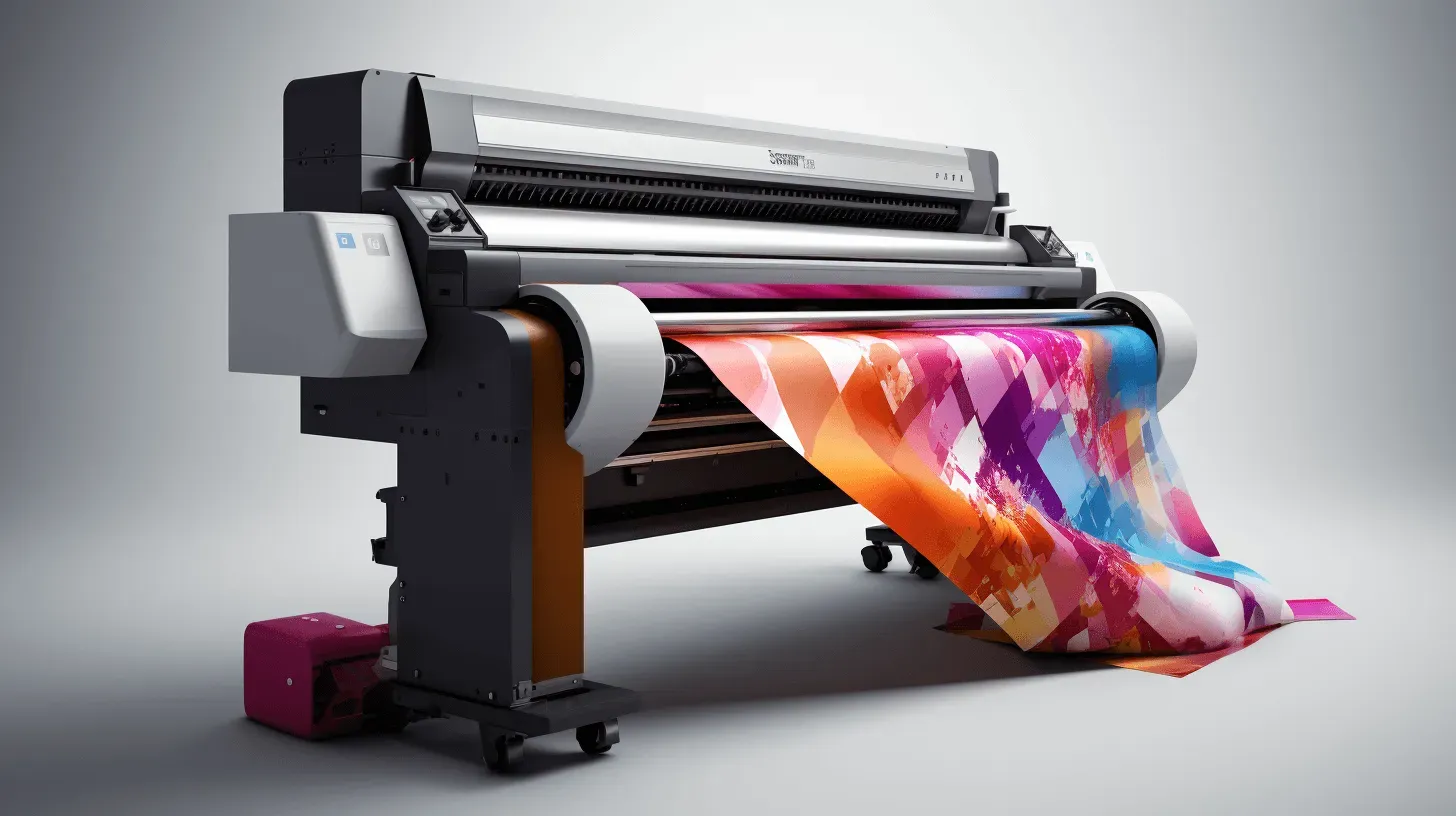
DTF printing, or Direct to Film printing, has revolutionized the textile industry by providing a modern approach to fabric printing that delivers stunning results. This innovative technology allows designs to be transferred directly onto fabric, offering options for vibrant prints and superior durability. However, as with many new methods, misconceptions have emerged regarding the cost of DTF printing and its suitability for various applications. Common myths about DTF printing, such as its perceived fragility or limitations in print quality, often detract from its true potential. In this article, we'll demystify DTF printing technology and highlight its advantages, including its sustainable practices and efficiency, positioning it as a leading game-changer in custom apparel production.
Direct to Film (DTF) printing, also known as film transfer printing, represents a cutting-edge method for transferring intricate designs onto textiles. This technique is gaining recognition for its effectiveness across diverse fabric types and for producing high-quality prints that stand the test of time. Despite its growing popularity, several myths persist, including misconceptions surrounding the environmental impact and the versatility of DTF printing. By exploring these alternative terms and concepts, we aim to provide a comprehensive understanding of how DTF printing can cater to the evolving needs within the fashion and textile industries, while also embracing eco-friendly innovations.
Understanding the Basics of DTF Technology
Direct to Film (DTF) printing is a cutting-edge technology that has revolutionized the textile industry. This innovative technique involves transferring vibrant designs onto fabric using a specialized film and heat application. The result is a high-quality print that can adhere to various fabric types, from cotton to polyester, ensuring versatility in apparel production. DTF printing differentiates itself from traditional methods such as DTG and screen printing by offering a more efficient process, particularly for small and medium runs of custom designs.
DTF printing utilizes a unique combination of water-based inks and adhesive powders, which ensures great color vibrancy and durability. The adhesive expands during the transfer process, allowing ink to bond well with the fabric. This technology not only enhances print durability but also opens up new avenues for creative expression, making it a preferred choice for fashion brands looking to produce detailed and personalized designs.
Dispelling DTF Printing Myths
Despite its advantages, several myths surrounding DTF printing persist, often leading to misconceptions about its capabilities and applications. For instance, many people believe that DTF printing is exceedingly expensive due to the perceived high setup costs. However, when considering the long-term savings on materials and reduced labor hours, DTF proves to be a cost-effective solution in the textile production landscape. Businesses that have embraced this technology often find themselves beneficially positioned in a competitive market.
Another common myth is that DTF printing is unsuitable for dark fabrics. This notion stems from outdated beliefs about earlier printing technologies. However, advancements in DTF processes and ink formulations now enable vibrant prints on dark garments, ensuring that colors remain true and vivid. This ability to cater to a diverse range of fabrics effectively challenges the misconception that DTF printing is limited only to lighter materials.
The Cost of DTF Printing Explained
When evaluating the cost of DTF printing, it is essential to consider both the initial investment and the potential financial benefits over time. The upfront costs include purchasing specialized DTF printers, films, inks, and powders. While these costs may be higher than traditional printing methods, businesses quickly recoup their investment due to the efficiency and speed of DTF printing. The technology minimizes waste and maximizes output, facilitating a quicker return on investment.
Additionally, DTF printing allows for customization without extensive setup changes, making it ideal for small runs and personalized orders. This flexibility not only saves on material costs but also reduces overall production expenditures, allowing businesses to meet customer demands more effectively. Consequently, understanding the cost dynamics of DTF printing is vital for businesses assessing their printing options.
Sustainable Practices in DTF Printing
Sustainability has become a crucial consideration in the printing industry, and DTF printing is not lagging behind. Many manufacturers are now adopting eco-friendly practices by using water-based inks and recyclable materials, significantly reducing their overall environmental footprint. These sustainable innovations enable businesses to cater to the growing number of eco-conscious consumers, positioning them favorably in a competitive market.
Additionally, as the demand for sustainable products increases, DTF printing offers solutions that align with environmental objectives without compromising on quality. By investing in sustainable DTF technologies, businesses can not only enhance their brand image but also contribute positively to global sustainability efforts. Thus, DTF printing is evolving not just as a cost-effective alternative but also as a responsible choice in the textile industry.
Exploring the Versatility of DTF Printing Designs
DTF printing shines in its ability to handle complex and intricate designs with remarkable accuracy. Unlike some traditional methods, which may struggle with fine details or color gradients, DTF technology can reproduce vivid and precise prints across various fabric types. Whether businesses are looking to create bold graphics or subtle nuances in their designs, DTF printing offers unparalleled versatility, making it a favorite among designers and apparel makers.
This creative freedom allows designers to experiment with various styles and techniques, leading to more innovative and visually appealing products. As the fashion industry continues to evolve, DTF printing serves as a powerful tool that enables brands to keep up with trends while offering unique and diverse options to consumers.
Future Trends in DTF Printing Technology
As the textile industry progresses towards greater personalization and customization, DTF printing technology is poised for significant advancements. The increasing demand for bespoke products is steering research and development within the DTF niche towards improved printing speeds and fabric compatibility. Innovations in this area mean that businesses can continue to meet consumer expectations while optimizing their production processes.
In addition, as more manufacturers adopt DTF printing technology, industry standards continue to rise, paving the way for enhanced innovation. The commitment to innovative practices will likely position DTF printing as a leader in sustainable and high-quality printing solutions, catering to the contemporary garment industry's dynamic landscape.
Frequently Asked Questions
What is DTF printing and how does it work?
DTF printing, or Direct to Film printing, is a modern printing technique that transfers designs from a special film onto fabric using heat and pressure. This method allows for vibrant colors and high durability, making it suitable for various fabrics, including dark garments.
Are there any common myths about DTF printing?
Yes, several myths surround DTF printing, such as the belief that it is too expensive or only suitable for simple designs. In reality, DTF printing is cost-effective in the long run, can produce complex graphics, and is especially effective on dark and light fabrics.
Is DTF printing suitable for dark garments?
Absolutely! Contrary to popular belief, DTF printing is designed to work well with dark fabrics. The application of a unique adhesive powder ensures that vibrant colors stand out, making DTF an excellent choice for customized apparel.
How durable are DTF prints compared to other printing methods?
DTF prints are highly durable and can withstand regular wear and washing. When proper care instructions are followed, these prints can last as long as traditional screen prints, making DTF a viable option for long-lasting apparel.
Is DTF printing considered an eco-friendly option?
Yes, DTF printing is becoming more eco-friendly with advancements in technology. Many manufacturers now use water-based inks and recyclable materials, aligning with sustainable practices and consumer demands for environmentally-conscious products.
What is the cost of DTF printing relative to other printing methods?
While the initial costs for DTF printing equipment and supplies may be higher than traditional methods like DTG or screen printing, the overall long-term costs are usually lower due to increased efficiency and versatility, making DTF printing a cost-effective choice for businesses.
| Myth | Reality |
|---|---|
| DTF Printing is Expensive | DTF printing has higher initial costs but provides long-term savings through efficiency and versatility. |
| DTF Printing is Not Suitable for Dark Garments | DTF printing is designed to work on dark fabrics, using adhesive powder for vibrant prints. |
| DTF Prints Are Fragile and Easily Damaged | DTF prints are durable and can last as long as traditional methods with proper care. |
| Only Simple Designs Can Be Printed Using DTF | DTF technology supports complex designs and offers high resolution and color accuracy. |
| DTF Printing Is Not Eco-Friendly | DTF manufacturers are moving toward eco-friendly practices with water-based inks and recyclable materials. |
Summary
DTF printing is a revolutionary technology in the textile industry that has proven to be versatile and effective, despite common misconceptions. As this innovative printing method gains traction among businesses, it is essential to understand the realities surrounding it. Unlike the myths that suggest DTF printing is overly expensive or unsuitable for dark fabrics, the truths reveal substantial long-term economic benefits and capabilities for creating vibrant prints on a plethora of materials. Furthermore, advancements in durability and eco-friendliness position DTF printing as a forward-thinking solution in garment production. By debunking these myths, stakeholders can confidently embrace DTF printing, unlocking new possibilities for creativity and efficiency in their printing endeavors.