
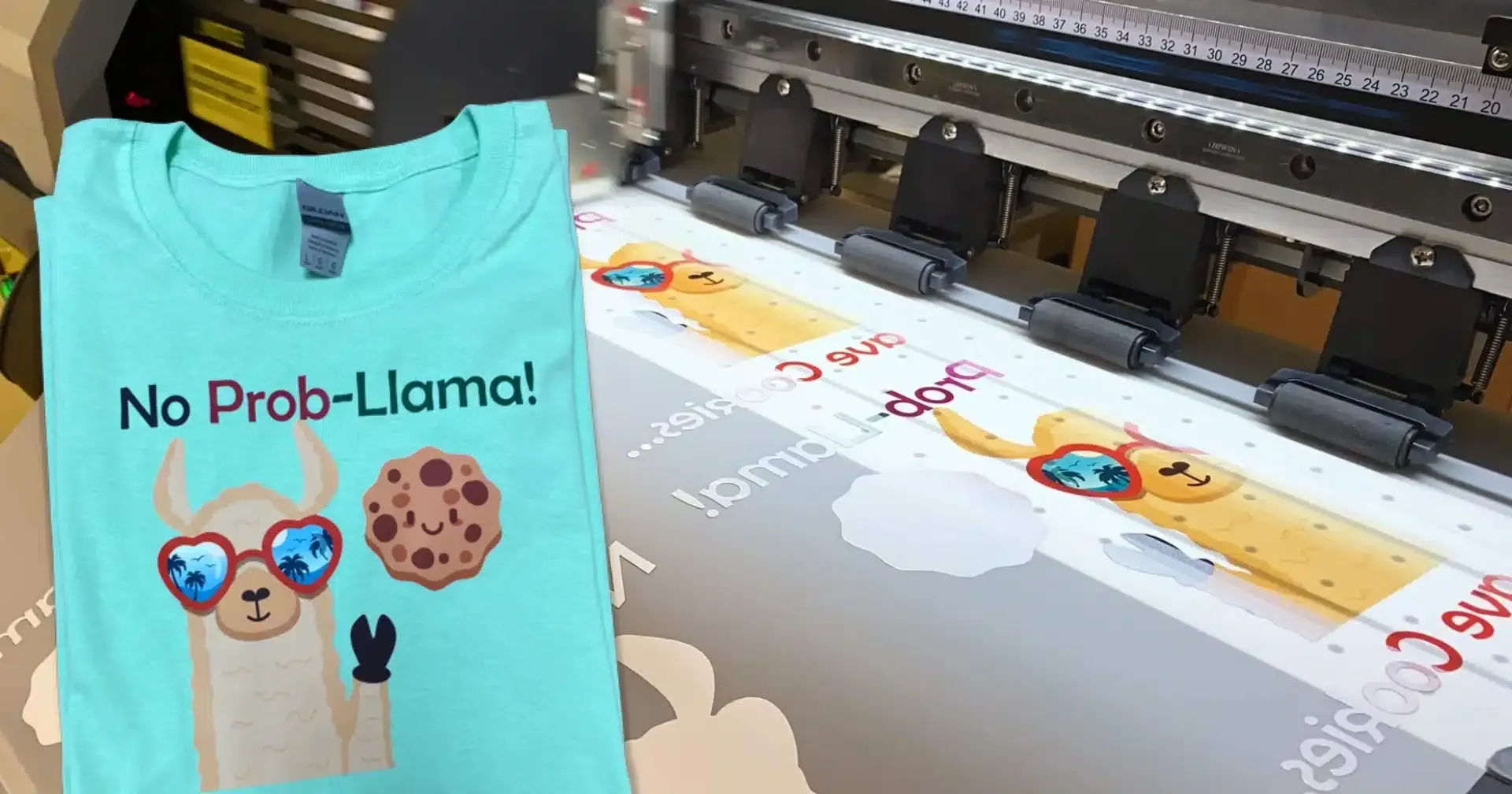
Starting a DTF printing business is an exciting opportunity for individuals looking to immerse themselves in the world of custom apparel. This innovative printing technique allows for vibrant and high-quality designs that can be applied to various fabrics, making it a favorite among clothing entrepreneurs. With the custom apparel business booming, there's no better time to dive into the DTF printing market, which has gained immense popularity due to its affordability and versatility. To successfully set up your DTF printing operation, you'll need to invest in essential DTF printing equipment and research the initial setup costs. By following comprehensive guides on how to start DTF printing, you can effectively navigate this thriving industry and create a unique niche for your brand.
Venturing into the realm of Direct-to-Film printing is a rewarding path for those looking to establish a brand in the custom merchandise sector. This advanced technique allows for exquisite fabric printing, enabling businesses to deliver personalized design solutions that cater to various markets. With the ongoing growth in custom clothing, savvy entrepreneurs are seizing the chance to enter the flourishing DTF printing marketplace. Understanding the necessary DTF printing setup, from equipment to operational planning, is crucial for a successful launch. As you explore this printing evolution, you’ll find ample opportunities to engage customers with unique, tailored products.
Getting Started with DTF Printing
When you're starting your own DTF printing business, the first step is to familiarize yourself with the DTF printing process. This technique allows you to print vibrant, intricate designs on various fabrics, which opens the door to numerous custom apparel possibilities. Before diving in, it’s essential to understand how DTF printing works, including the setup of your equipment and the types of inks and films that you'll need. You will also want to practice on different materials to get a feel for what yields the best results.
After grasping the fundamental aspects of DTF printing, you should consider what niche you want to target within the custom apparel market. Whether it’s creating personalized T-shirts for sports teams, custom designs for events, or even one-off pieces for individual customers, having a clear focus will help streamline your setup process and marketing strategies.
Essential DTF Printing Equipment
Investing in the right DTF printing equipment is crucial for ensuring both the quality of your prints and the efficiency of your production workflow. The cornerstone of your setup will be a reliable DTF printer, preferably an Epson model, as they have established themselves as the industry standard for quality and performance. Besides the printer, a quality heat press is essential to transfer your designs effectively onto fabrics without compromising detail or color integrity.
In addition to your printer and heat press, acquiring high-quality DTF films and inks is essential for producing durable and vibrant prints. Without these components, even the best printer and press won’t yield satisfactory results. It's advisable to establish relationships with reputable suppliers to source your materials reliably, which helps maintain the quality standard your customers will expect.
Creating a Business Plan for Your DTF Printing Venture
A comprehensive business plan is the foundation of your DTF printing business. This plan should encompass everything from your target market to your pricing strategy. Who are your ideal customers? Are they schools, local sports teams, or individuals? Understanding your market demographics will allow for effective product offerings tailored to your audience.
Moreover, your business plan should include operational strategies that cover production timelines, fulfillment methods, and shipping logistics. Identifying these elements early on will help you manage your workload efficiently and maintain a high level of customer satisfaction, which is essential for growth in the DTF printing market.
Conducting Effective Market Research
Market research is vital for any new business, especially in the competitive world of DTF printing. Investigate who is currently purchasing DTF printed products and what types of designs are trending. Understanding the current demands will help you refine your offerings to better suit customer needs and preferences, reducing the risk of overproduction or inventory waste.
Additionally, exploring potential gaps in the market can provide opportunities for your DTF printing business to fill underserved niches. For example, if you notice limited options for eco-friendly inks or materials within your target area, you could differentiate yourself by offering sustainable products, appealing to environmentally conscious customers.
Navigating Legal Compliance for Your Printing Business
Before launching your DTF printing business, ensuring compliance with local laws and regulations is a critical step. Familiarize yourself with the necessary licenses, such as obtaining a local business license and sales tax certificates. Additionally, registering a DBA (Doing Business As) name may be required if you’re operating under a name that’s different from your legal business name.
Consulting with a legal expert or a local small business authority can provide clarity on the requirements specific to your location and industry. Having all legalities squared away from the start will set a solid foundation for your business, helping you avoid any hiccups that could hinder your launch and progression.
Marketing Strategies for Your DTF Printing Business
The success of your DTF printing business heavily relies on how well you can market your services. Start by establishing a strong online presence. Utilize e-commerce platforms like Etsy or Shopify to showcase your products, where you can reach a wider audience eager to purchase custom apparel. Engaging on social media platforms like Instagram and Facebook is equally important, as these channels allow you to visually present your designs and connect with potential customers.
In addition to online platforms, don't underestimate the power of local marketing strategies. Attend community events such as craft fairs or local markets where you can directly interact with customers and present samples of your work. This relationship-building can create loyal customers who appreciate the personal touch and quality of your DTF printed products.
Frequently Asked Questions
What equipment do I need to start a DTF printing business?
To start a DTF printing business, you'll need essential equipment including a DTF printer (preferably Epson-based for reliability), a heat press for transferring designs, and high-quality DTF films and inks. This setup ensures you produce vibrant and durable prints on various fabrics.
How much does it cost to set up a DTF printing business?
The initial costs for a DTF printing setup typically range from $5,000 to $15,000. This investment covers your printer, heat press, films, and inks, which are crucial for launching your custom apparel business successfully.
What types of products can I create with DTF printing?
With DTF printing, you can create a variety of custom products such as t-shirts, hoodies, tote bags, and other apparel items. This versatility allows you to cater to different customer preferences in the growing DTF printing market.
How do I market my DTF printing business effectively?
To effectively market your DTF printing business, leverage online platforms like Etsy and Shopify and utilize social media channels such as Instagram and Facebook to showcase your designs. Participating in local events also enhances visibility and allows direct interaction with potential customers.
What legal requirements should I consider when starting a DTF printing business?
Before launching your DTF printing business, ensure compliance with legal requirements, including obtaining local business licenses, sales tax certificates, and possibly a DBA (Doing Business As) registration. It's crucial to consult with local authorities to avoid legal issues.
Is ongoing education important for DTF printing entrepreneurs?
Yes, ongoing education is vital for DTF printing entrepreneurs. Keeping up with industry trends, new technologies, and marketing strategies through workshops and online courses enhances your skills and helps you adapt your business to changing market demands.
| Key Component | Description |
|---|---|
| Understanding DTF Printing | DTF printing is a method for applying vibrant designs to various fabrics using intermediary film, allowing for high-quality results. |
| Initial Investment | Expect to spend between $5,000 to $15,000 on equipment such as printers, heat presses, films, and inks. |
| Business Plan and Branding | Articulate target markets, pricing strategies, and operational methods while focusing on unique selling points to stand out. |
| Market Research | Identify potential customers and their needs to tailor offerings effectively. |
| Legal Compliance | Ensure you have the necessary licenses and permits to operate legally. |
| Marketing and Sales Channels | Utilize online platforms and local events to attract customers and showcase your products. |
| Quality Control | Implement regular quality checks to maintain high standards and build customer trust. |
| Ongoing Education and Adaptation | Stay updated on industry trends and technologies through various learning resources. |
Summary
Starting a DTF printing business can open doors to a lucrative market characterized by high demand for personalized apparel. This venture requires a clear understanding of the DTF printing process, savvy investment in vital equipment like printers and heat presses, and strategic planning to connect with your target audience effectively. Success hinges on continuous adaptation to market trends, a commitment to quality, and a robust marketing strategy that showcases the unique offerings of your DTF printing business. Emphasizing these elements will facilitate growth and sustainability in an ever-evolving industry.