
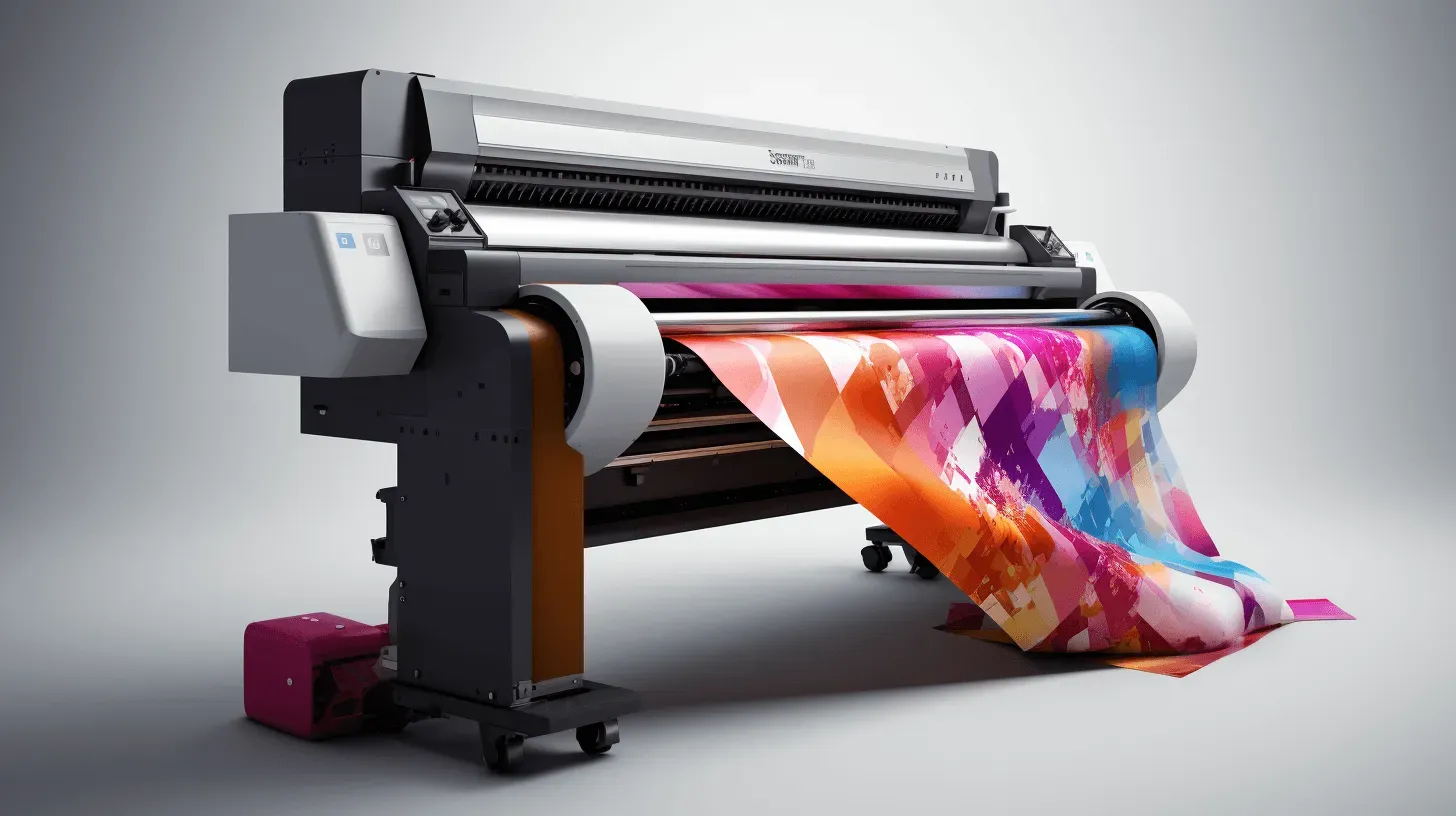
DTF printing, or Direct-to-Film printing, is revolutionizing the textile industry with its innovative approach to fabric decoration. This cutting-edge technology allows for the seamless transfer of intricate designs onto various materials, making it a favorite among apparel businesses and DIY enthusiasts alike. In this DTF printing guide, we will explore the numerous advantages of this method, including its ability to produce vibrant colors and detailed patterns that hold up over time. Whether you're a beginner looking to dive into DTF printing or wanting to expand your existing knowledge, this guide offers crucial insights into its applications and best practices. Discover why DTF printing is quickly becoming the go-to choice for custom clothing and promotional products.
Delving into the realm of fabric printing technologies, Direct-to-Film (DTF) printing showcases a remarkable technique for transferring high-quality images to textiles. Often regarded as a game-changer in garment decoration, this method utilizes a specialized film for precise and vibrant print applications across diverse fabric types. For those seeking an accessible entry point into the world of custom apparel, understanding the intricacies of direct film printing enables users to fully harness its potential. With a growing array of resources available for beginners, the exploration of this technique opens doors to endless creative possibilities in fashion and merchandise. Join the trend and learn how DTF technology can enhance your printing endeavors.
What You Need to Know About Direct-to-Film Technology
Direct-to-Film (DTF) technology is redefining the textile printing landscape by providing robust solutions for fabric decoration. This cutting-edge process involves printing images onto a specialized transfer film that can adhere to various fabric types, including cotton, polyester, and blends. This flexibility sets DTF apart from traditional printing methods, making it ideal for creating intricate designs that cater to diverse markets, from fashion to promotional items.
Understanding the core principles of DTF technology is crucial for those new to the industry. The process not only focuses on how prints are made but also on the types of inks and films used, which contribute to the final product's durability and quality. As technology advances, DTF printing continues to gain popularity, primarily due to its ability to produce vibrant colors and high-resolution images that stand out on garments.
Advantages of DTF Printing for Beginners
For beginners exploring custom printing, DTF printing offers several noteworthy advantages that make it an attractive option. Firstly, the method supports a wide range of substrates, enabling creators to print on shirts, sweatshirts, bags, and more with ease. This versatility opens up numerous creative avenues, allowing beginners to experiment with different designs across various products without investing heavily in multiple printing techniques.
Furthermore, the quality of DTF prints is exceptional, with rich colors and intricate details that appeal to consumers. Unlike traditional methods, which may fade or deteriorate over time, DTF prints maintain their vibrancy after multiple washes. This durability not only enhances customer satisfaction but also positions new businesses for long-term success by ensuring that their products uphold a solid reputation.
Common Applications of DTF Printing
DTF printing has become a go-to option for a variety of applications in textile and garment printing. Fashion brands increasingly utilize this technology to create custom apparel that captures unique brand identities. From personalized t-shirts to bespoke sports jerseys, DTF enables endless custom designs that resonate with consumers and enthusiasts alike.
Another significant application of DTF printing includes promotional products. Companies looking to make their mark often invest in custom printed items that showcase their logo or message. With DTF, businesses can achieve high-quality prints on a range of promotional materials, ensuring their brand stands out in competitive markets.
Exploring the DTF Printing Process
The DTF printing process is a multifaceted procedure that combines creativity and technology. It starts with designing graphics using specialized software, which is then printed onto a transfer film using a DTF printer. This initial step is crucial as it determines the quality of the final product. Additionally, attention must be paid to ink selection and its compatibility with transfer films, as these factors significantly impact the print's durability and color accuracy.
Post-printing, an adhesive powder is sprinkled onto the wet ink and is activated by heat, ensuring a secure bond between the design and the fabric. This intricate process allows for detailed artwork to be transferred seamlessly, helping brands deliver products that meet clients' expectations for quality and design integrity. Beginners should focus on mastering this workflow to ensure optimal results in their own DTF printing projects.
Investing in DTF Printing Equipment
When starting with DTF printing, it's essential to invest in the right equipment. A reliable DTF printer, appropriate transfer films, and a heat press machine are fundamental elements of setting up a successful operation. Many suppliers offer comprehensive starter kits that can significantly ease the financial burden for beginners, providing all necessary supplies to kick off the DTF printing journey.
In addition to hardware, equipping oneself with the right software is crucial. Familiarity with graphic design programs that integrate seamlessly with DTF printers can enhance the quality of designs. Optimized RIP software can also play a vital role in maximizing the printer's capabilities, ultimately leading to higher-quality prints that meet customer demands.
The Future of DTF Printing Technology
As technology evolves, the future of DTF printing looks promising, with continuous improvements aimed at enhancing efficiency and print quality. Emerging printer models are being designed with faster printing speeds and reduced operational costs, making DTF accessible to a broader range of businesses, including startups and small companies. This evolution is instrumental in keeping pace with the increasing demand for custom printing solutions.
Moreover, educational resources are expanding, providing newcomers with essential insights into mastering DTF technology. Online tutorials, webinars, and community forums offer valuable support for those looking to acquire skills in this exciting field. Staying updated with the latest trends, techniques, and best practices will be vital for anyone hoping to thrive in the growing market of DTF printing.
Frequently Asked Questions
What is DTF printing and how does it work?
DTF printing, or Direct-to-Film printing, involves printing designs on a special transfer film, which is then heat-pressed onto garments. The process includes printing with specialized inks, applying adhesive powder, heat activation, and finally transferring the design to fabric, allowing for vibrant prints on various materials.
What are the key advantages of DTF printing?
The advantages of DTF printing include versatility in applications across different fabric types, high-quality resolution for intricate designs, durability against fading and washing, and reduced waste, making it an eco-friendly option in textile printing.
Is DTF printing suitable for beginners?
Yes, DTF printing is highly suitable for beginners. Comprehensive guides and educational resources are available to help newcomers understand the process, allowing them to confidently step into garment decoration using Direct-to-Film technology.
What applications can DTF printing be used for?
DTF printing can be used for a variety of applications including t-shirts, sportswear, bags, and promotional items. Its ability to print on multiple fabric types makes it an ideal choice for custom apparel and diverse product offerings.
How does DTF printing compare to other printing methods?
Compared to traditional printing methods, DTF printing stands out due to its high quality, vibrant color capabilities, and durability. Additionally, DTF printing generates less waste, aligning with sustainability goals, unlike many conventional processes.
What equipment do I need to start DTF printing?
To start with DTF printing, you will need a reliable DTF printer, specialized transfer films, adhesive powder, and a heat press machine. Many suppliers offer beginner starter kits that include all essential supplies to kickstart your DTF printing journey.
| Aspect | Description |
|---|---|
| Definition | DTF printing involves printing designs on a transfer film before applying them to fabric. |
| Process Steps | 1. Design printing on transfer film 2. Application of adhesive powder 3. Heat activation of adhesive 4. Transfer to fabric. |
| Versatility | Can be used on various substrates, including cotton and polyester. |
| Quality | Produces high-resolution prints with vibrant colors, ideal for intricate designs. |
| Durability | DTF prints are resistant to fading and suitable for frequent washing. |
| Sustainability | The process generates minimal waste, making it environmentally friendly. |
| Current Trends | Market growth, innovative printer models, and more educational resources available. |
| Getting Started Tips | Invest in supplies, learn graphic design software, and understand the workflow. |
Summary
DTF printing is revolutionizing the textile printing industry with its unique ability to deliver high-quality designs directly onto fabrics. This state-of-the-art technology provides a range of advantages such as versatility in application, outstanding print quality, durability, and an environmentally conscious approach that minimizes waste. As the demand for custom apparel continues to rise, DTF printing positions itself as an essential method for businesses and individuals alike. Embracing the latest trends and acquiring the right tools and knowledge will ensure success as novices step into the dynamic world of DTF printing. By leveraging these insights, aspirants can effectively tap into the expanding opportunities presented by this innovative printing technique.