
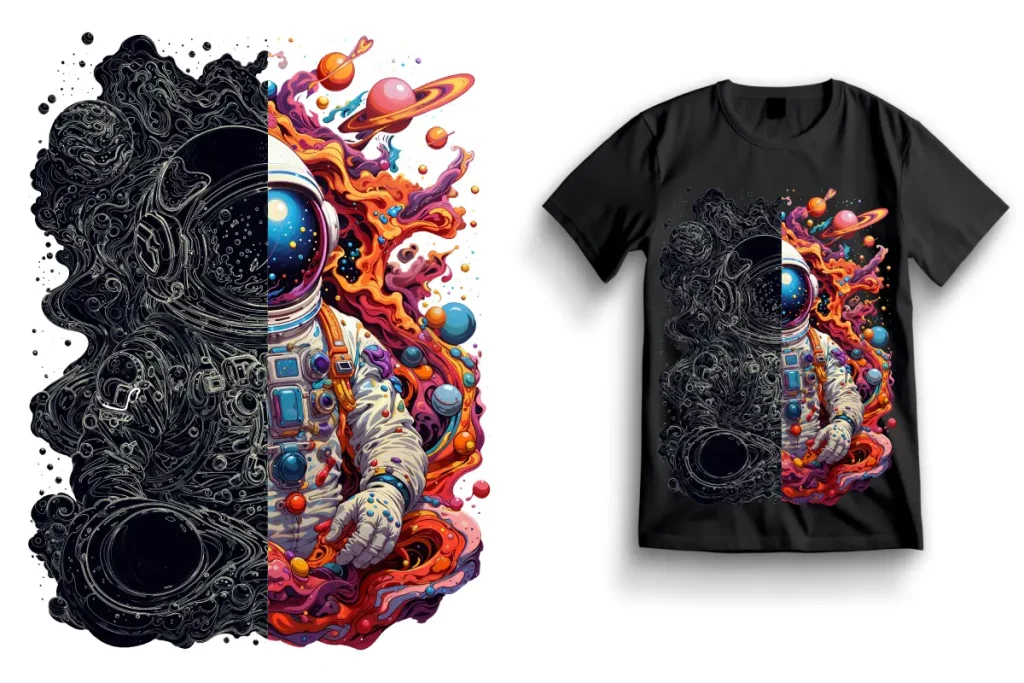
Navigating the fast-paced world of apparel customization requires access to reliable, high-yield technology that keeps up with unpredictable client demands. For custom apparel businesses, independent clothing lines, and promotional agencies alike, traditional printing methods often introduce heavy setup bottlenecks and color limitations. That is exactly why professional-grade dtf transfers have rapidly become the industry standard for modern garment decoration. This advanced direct-to-film system allows creators to bypass messy weeding stages and high setup fees, opening up a streamlined pathway to transfer vibrant, full-color digital artwork onto practically any fabric in seconds.
The operational math changes entirely when you can bypass lengthy shipping logistics and source your production supplies close to your workspace. For designers running tight project turnarounds, tracking down a highly capable source for dtf transfers near me guarantees that last-minute corporate orders or surprise online shop restocks do not get held up by domestic courier delays. If you are specifically building a brand within the Texas textile landscape, finding the absolute best dtf transfer at Houston ensures that your completed garments possess incredible washing durability, display vivid color depth, and feel remarkably lightweight to the consumer.
The Evolution of Custom Apparel Decoration Technology
To fully understand why modern print facilities are transitioning their resources toward direct-to-film machinery, it is helpful to explore the technical boundaries of yesterday. Screen printing has long offered excellent durability, but its heavy upfront costs make short runs or multi-colored photographic designs financially impossible for small businesses. Conversely, traditional vinyl cutting limits you to solid blocks of color and demands labor-intensive weeding that eats away at your daily productivity. Sublimation offered a glimpse into high-detail digital printing, but it restricted creators to light-colored garments made entirely of polyester synthetic fibers.
The introduction of DTF technology fundamentally shattered these individual fabric and color limitations. By printing a mirrored digital design onto a treated polyethylene film using specialized water-based inks, adding a layer of hot-melt adhesive powder, and curing it with heat, operators create an incredibly versatile asset. This transfer sheet can then be applied to light or dark fabrics, natural ringspun cotton, rough canvas, heavy denim, or stretchy athletic polyester blends with identical ease and perfect graphical consistency.
Anatomy of a High-Tier Digital Transfer Film
Not all print films are manufactured equally, and understanding the precise chemistry behind a commercial-grade transfer prevents costly application mistakes. When workshop operators source their custom materials from a specialized supplier like Harwin DTF, they receive sheets engineered to survive real-world daily wear. Let us break down the core layers that comprise a premium film transfer:
- The PET Carrier Release Layer: This clear or matte plastic base is coated with a precise chemical release agent that securely holds wet ink droplets during printing but allows the cooled design to pull away smoothly after pressing.
- High-Opacity White Ink Underbase: The defining factor of a premium transfer is the density of its white background. Industrial printheads lay a thick, perfectly aligned white backing over the colored pigments, preventing dark garment fibers from muddying the final colors.
- Flexible Polyurethane Powder Adhesive: This heat-activated powder forms a flexible, cross-linked molecular bond with the textile fibers. A high-quality powder ensures the print moves with the fabric rather than feeling stiff.
Maximizing Your Margin with Local Sourcing Strategies
Scaling a regional merchandise company depends heavily on building a responsive, localized supply chain. Securing a reliable Houston dtf transfer partner allows business owners to drastically reduce their inventory carry costs. Instead of ordering hundreds of printed garments in advance based on sales projections, you can keep blank stock on shelves and order custom film layouts exactly as online customer transactions clear your website.
Furthermore, local accessibility acts as a critical safety valve for handling client emergencies. If a corporate account adds dozens of new personnel to an upcoming event checklist, you do not have to pay exorbitant overnight shipping fees from an out-of-state fulfillment factory. You can simply pick up your custom layouts directly from a local production hub, return to your workspace, heat press the apparel, and hand over the completed order to your client on the same day. This localized speed builds immense customer trust and differentiates your brand from drop-shippers.
Preparing Flawless Art Files for Industrial Printing
Modern commercial printheads can resolve incredible details, fine lines, and subtle color gradients, but the physical output remains bound by the structure of your digital files. Preparing your graphics correctly saves valuable production time and guarantees crisp edges. Always export your final artwork canvas at a minimum of 300 DPI at the exact physical dimensions you want pressed onto the shirt.
The single most critical step to verify in your design software is background transparency. Because commercial software treats any non-transparent pixel as a command to print a solid white backing, any stray pixels, soft glowing effects, or un-erased backgrounds will result in an undesirable white box or messy halo around your pressed apparel graphic. Utilize native vector file formats like transparent PDFs, or high-resolution PNG files with crisp, hard-erased edges to ensure your artwork looks perfectly integrated into the clothing item.
The Complete Temperature and Pressure Application Guide
Applying your custom films to your product line is an accessible process, but achieving a truly permanent, retail-grade bond requires balancing heat, time, and downward mechanical force. Guessing your machine settings frequently results in graphics that peel away during the first laundry cycle. Follow this professional workflow to achieve perfect application stability:
- The Moisture Purge Press: Place your blank garment flat onto the lower platen of your heat press and lock down the heated plate for 4 to 5 seconds. This simple step evaporates ambient moisture trapped deep within the fabric weaves and flattens out wrinkles.
- Aligning the Graphic: Center your printed film sheet carefully onto the warm fabric with the textured, adhesive-coated side resting directly against the garment. Use alignment rulers or alignment guides to ensure your placement looks perfectly level.
- The Primary Bonding Press: Lower your heat press mechanism. For standard 100% cotton garments or heavy cotton-poly fleece blends, maintain a steady temperature between 300°F and 315°F (150°C to 157°C). Apply firm, medium-to-heavy pressure for exactly 12 to 15 seconds.
- The Cooling Down Stage: Carefully slide the garment off the heat press and lay it flat on a clean table surface. Let the transfer cool down completely to room temperature. Peeling the carrier sheet away while the adhesive remains hot will tear fine graphic details and ruin the bond.
- The Cold Peel Execution: Once the garment feels completely cold to the touch, hold down one side of the fabric firmly. Grab an outer corner of the clear film and roll it back smoothly and confidently in a continuous, low motion close to the fabric surface.
- The Post-Cure Matte Press: Reposition the decorated apparel back onto the heat press pad. Lay a protective sheet of high-grade parchment paper or a silicone sheet directly over the exposed print and press one last time for 5 to 7 seconds. This final step drives the ink deep into the fabric fibers and locks in a retail-quality matte texture.
Frequently Asked Questions
How many wash cycles can these modern film prints withstand?
When properly applied using correct professional parameters, these graphics routinely last for 50 to 60 heavy wash cycles before showing initial signs of character wear. This high level of durability matches or exceeds traditional commercial screen printing results over long-term garment usage.
Can I apply these custom designs to water-resistant outerwear?
Yes, but highly treated materials like coated nylon jackets require specialized low-temperature settings or specific adhesive powder configurations to bypass the fabric coatings. For standard water-resistant items, it is recommended to run a test sample first to verify complete adhesive anchorage.
What exactly is a gang sheet and how does it optimize my budget?
A gang sheet is a long, continuous roll of transfer film where you arrange multiple independent designs, pocket logos, and custom neck branding labels tightly together into a single digital file layout. By filling up all available film space, you reduce material waste and secure a much lower per-unit printing cost.
Why do my printed designs feel slightly firm right after pressing them?
A minor initial firmness is entirely normal due to the freshly cured nature of the hot-melt adhesive powder. As soon as the custom garment undergoes its very first standard household wash cycle, the adhesive bonds relax completely, leaving a highly pliable, lightweight, and soft feel against the body.
Scale Your Clothing Brand with Predictable Turnaround Times
Transitioning your custom apparel production to a digital film workflow gives your business the agility to accept complex, multicolored customer orders without taking on massive financial risk or dealing with high minimum order limitations. By eliminating the time-consuming labor bottlenecks of old-school decoration methods, you reclaim valuable hours to spend on marketing your catalog and acquiring fresh commercial accounts. Partnering with Harwin DTF provides your custom apparel business with access to ultra-durable, vibrant, and reliable prints that keep your shipping pipeline moving on schedule. Stop letting outdated equipment define your brand potential and discover the operational freedom that premium, locally supported garment decoration brings to your facility.