
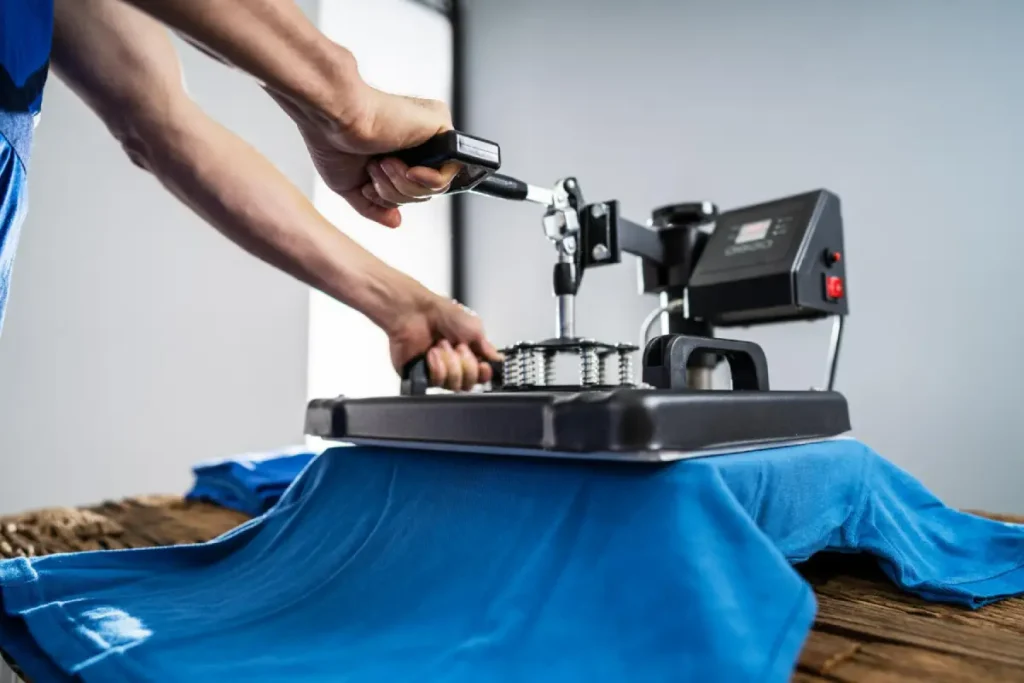
In the high-velocity world of professional apparel, the difference between a brand that scales and one that stalls is rarely about the design—it’s about the predictability of the output. As the market for dtf printing matures, customers are no longer paying for “customization”; they are paying for high-performance, durable, retail-ready garments. To compete in this tier, you must transition your studio away from “craft-based” workflows toward an “industrial-precision” model.
The “soft-hand” finish that makes a garment feel premium is a byproduct of precise thermomechanical bonding. When you apply professional dtf transfers, you aren’t just printing; you are initiating a molecular marriage between the TPU polymer and the textile fiber. If that process is not rigorously governed, you are creating a product with an expiration date. Harwin’s methodology centers on the idea that quality is not an accident—it is the result of documented, repeatable systems.
The Production Ecosystem: Managing Variables
To reach elite levels of production, you must eliminate the “mystery variables” that plague smaller print shops. A scalable studio manages three critical pillars of production:
- Moisture Governance: Textile fibers are natural sponges. A pre-press cycle isn’t just about flattening the fabric; it is about moisture evacuation. Steam is a physical barrier that prevents your adhesive from ever truly bonding with the fiber.
- Force Calibration: Adhesion is a function of pressure, not just heat. A digital pressure readout is the only way to ensure your bond strength is uniform across the entire graphic, preventing the dreaded “peeling edges.”
- Thermal Sequencing: The cooling phase is where the structural integrity of your print is solidified. Treating this as a “hurry-up” step leads to microscopic bonding failures that only show up after the end-user has washed the garment.
The Strategic Power of Lean Sourcing
Inventory is the greatest drain on your brand’s growth. By tying up your working capital in boxes of pre-printed shirts, you lose the ability to pivot to new trends. Searching for dtf transfers near me is the most practical step toward a “Just-in-Time” (JIT) manufacturing model. Partnering with a technically sophisticated regional printer allows you to operate with near-zero physical inventory, keeping your capital fluid for growth.
This partnership should function like an extension of your company. By aligning with a provider who follows technical standards, you can leverage their R&D for “transfer recipe” development. Whether you need a specific matte-poly finish for a luxury street-wear drop or high-stretch powders for athletic gear, your regional partner provides the R&D capabilities that make you faster and more responsive than larger, legacy competitors.
Governance Through Technical Standardization
Scaling a brand requires the absolute removal of guesswork. If your quality relies on the memory or “intuition” of an operator, you are vulnerable to failure. To scale, you must build a “Production Ledger”—a centralized database containing the exact temperature, dwell time, and PSI requirements for every SKU in your catalog.
Complement this with an “Aggressive Audit” process. Select a random sample from every batch and subject it to an industrial-grade laundry stress test. When you possess the data to prove that your prints survive the most extreme conditions, you no longer compete on price; you compete on value. That transition from “we believe our product is good” to “we can demonstrate our product is durable” is what earns you premium, long-term customer loyalty.
Frequently Asked Questions
Why does “pre-pressing” change my production results?
Pre-pressing evacuates microscopic moisture trapped in the weave. If moisture remains, the heat of the press converts it into steam, creating a physical gap between your transfer and the fabric. Removing this moisture ensures the adhesive makes direct, permanent contact with the fiber.
How do I differentiate high-end transfers from mass-market ones?
Look for “elastic recovery.” A premium transfer will stretch and retract alongside the textile without creating “whitening” or stress cracks. If the print stays stretched or shows cracks after one pull, the adhesive chemistry is likely too rigid to handle the daily stresses of wear.
Is DTF better for high-end synthetic sportswear?
It is the superior choice, provided you use the correct film chemistry. Synthetic fibers are heat-sensitive. Always use “low-melt” adhesive powders and perform a thermal gradient test to find the lowest possible heat setting that achieves a bond without damaging the fabric fibers.
What is the most effective way to audit my production output?
Implement the “Stress-to-Failure” protocol. Select one garment from every production batch and run it through a heavy-duty laundry cycle with high-heat drying. If the graphic shows zero degradation after five cycles, your production process is fully calibrated for the premium retail market.
Building a successful, high-quality apparel brand is a journey of continuous technical refinement. By mastering the potential of dtf, you position your brand to compete at the highest level of the custom merchandise market. Harwin is committed to providing the industry insights you need to turn your production floor into a professional, profitable enterprise. Start optimizing your workflow today—your commitment to quality is the most valuable investment you can make for your brand’s future.

