
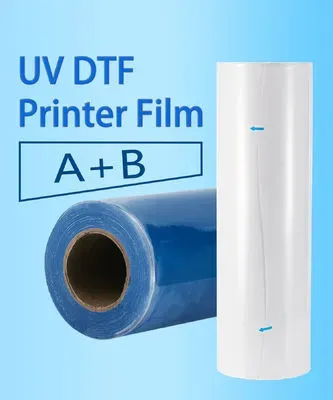
Choosing the right UV DTF transfer film can be the difference between prints that look lackluster and designs that pop with crisp detail and bright color. Understanding UV DTF transfer film quality helps you pick a substrate that supports crisp transfers. When you select a UV DTF transfer film, you’re not just picking a substrate; you’re setting the foundation for repeatable, professional results across garments, bags, and other printable fabrics. This is why printers often search for the best UV DTF transfer film for bright prints, balancing brightness with color fidelity. Key attributes include DTF transfer film brightness and color accuracy and the ability to deliver crisp prints with UV DTF film across diverse substrates.
Beyond the specific label UV DTF transfer film, think of it as a UV-curable textile film that acts as a print carrier, marrying ink performance to fabric behavior. From a practical standpoint, you’ll evaluate the same criteria—adhesion, release, and durability—using terms like photo transfer film, digital textile transfer sheet, and substrate optimized for UV inks. If you’re new to this, a simple rule from how to choose DTF transfer film guides can help: test with representative designs and substrates to confirm brightness, color integrity, and long-term wear.
Key factors shaping UV DTF transfer film quality and performance
UV DTF transfer film quality is defined by a combination of uniform thickness, a stable surface finish, and predictable adhesion behavior. When these fundamentals are inconsistent, ink transfer can appear blotchy or edges can blur, limiting the perceived sharpness of the final design. In practice, film quality sets the baseline for how well the ink presents on fabric after cure and how reliably a design can be reproduced from batch to batch.
A thoughtful evaluation of UV DTF transfer film quality includes inspecting thickness uniformity, surface consistency, and tolerances across rolls or sheets. Films that maintain these characteristics across production runs help prevent subtle variances that degrade image clarity, especially on crowded designs or fine lines. The outcome you want is predictable behavior from print to print, regardless of substrate color or ink load.
Ultimately, achieving crisp prints with UV DTF film hinges on more than a pretty swatch; it requires a film that harmonizes with your inks and curing process. When the film reliably adheres and releases at the right moments, edge definition stays sharp, colors stay vibrant, and the result aligns with the original design intent for a consistent, high-quality look.
Best UV DTF transfer film for bright prints: selecting for vibrancy
Choosing the best UV DTF transfer film for bright prints means prioritizing brightness potential, color fidelity, and compatibility with your ink system. The most suitable film should support the ink’s maximum brightness without washing out contrasts or dulling saturated colors, especially on light and mid-tone fabrics where vibrancy really matters.
When evaluating candidates for brightness and color accuracy, test with a representative color set and common branding colors. Look for evidence of stable saturation, clean highlights, and minimal color shift across different substrates. In practice, you’ll compare options using metrics tied to DTF transfer film brightness and color accuracy to determine which film delivers consistently vivid results.
Beyond raw brightness, consider how the film handles white underbase and color overlays on darker fabrics. A film that preserves contrast and edge definition while maintaining true color will render designs as intended, making it easier to achieve crisp, impactful prints that stand out in retail environments.
How to choose DTF transfer film: a practical evaluation guide
How to choose DTF transfer film begins with a practical evaluation plan. Start by defining your typical production contexts—substrates, ink chemistry, and desired color outcomes—and then select a short list of film options that claim strengths in those areas. A disciplined comparison at scale helps you avoid costly guesswork and ensures repeatable results.
Create a controlled test protocol: swatch sets with varying line weights, fills, and gradients; tests on both light and dark fabrics; and a simple wash cycle to gauge durability. Use these tests to assess adhesion, edge sharpness, ghosting, and color density, keeping notes on how each film responds under your specific UV curing conditions.
In practice, the goal of this guide is to answer how to choose DTF transfer film with confidence. Prioritize films that demonstrate strong alignment with your workflow, robust color reproduction, and reliable performance across substrates, so your prints consistently meet brand and customer expectations.
UV DTF film brightness, color accuracy, and crisp edges explained
Brightness and color accuracy are interdependent factors that determine how faithful a design looks after transfer. The right UV DTF film supports the ink’s brightness without washing out midtones or highlights, which is essential for branding where precise color reproduction matters. This balance is especially important when printing bold logos or skin tones on a range of fabric backgrounds.
Crisp edges and clean detail depend on a combination of underbase performance, ink anchoring, and film surface finish. A film that maintains edge definition during cure minimizes feathering and halo effects, helping text and fine lines stay legible even on complex designs. When brightness and color integrity are paired with sharp edges, the result is a professional, eye-catching print.
To validate these attributes, test with color charts and real artwork across multiple fabrics. Color fidelity, edge sharpness, and consistent saturation across substrates will indicate a film that consistently delivers crisp prints with UV DTF film in real-world conditions.
Testing workflow to ensure crisp prints and reliable color with UV DTF transfer film
A robust workflow begins with calibrated color management and a pre-press plan that accounts for substrate color, ink density, and print resolution. By aligning digital files with the film’s transfer characteristics, you reduce surprises once the design reaches the textile. Consistent pre-press settings help maintain predictable brightness and color across batches.
Follow up with practical swatch testing that includes edge-heavy designs, gradients, and solid color blocks. Compare swatches under neutral lighting and a color chart to measure color accuracy and perceived brightness. Include wash and flex tests to confirm that the final prints stay crisp and vibrant after typical wear.
This workflow supports the goal of crisp prints with UV DTF transfer film by reducing variables and standardizing curing and pressure. When done well, operators can reproduce consistent color and edge definition, delivering reliable results that meet brand standards and customer expectations.
Common issues and fixes for UV DTF transfer film in production
Even seasoned teams encounter challenges with UV DTF transfer film. Edge halos, feathering around fine details, ghosting on high-ink areas, and adhesion problems are among the most common symptoms of suboptimal film interaction with ink, substrate, or curing conditions. Identifying the root cause is the first step toward an effective fix.
Practical fixes often involve adjusting curing profiles, re-evaluating substrate preparation, and confirming film compatibility with the ink system. For example, excessive cure can cause brittleness or cracking, while under-curing may leave inks soft and prone to smudging. Ensuring clean pressing surfaces and proper alignment also helps prevent edge misregistration and residue.
Regularly testing with representative designs, including fine text and color blocks, helps catch issues early. When combined with a systematic maintenance plan and storage practices, you can minimize the recurrence of these problems and maintain consistent, high-quality results with UV DTF transfers.
Frequently Asked Questions
What defines UV DTF transfer film quality, and how does it affect print sharpness and color?
UV DTF transfer film quality is driven by uniform thickness, consistent surface finish, stable adhesive properties, and compatibility with UV-curable inks and the heat-press cycle. High quality film supports clean edges, minimizes banding, and preserves color fidelity, which directly improves print sharpness and overall brightness. It also reduces curling and curing-related issues, helping repeatable results across batches and substrates.
What makes the best UV DTF transfer film for bright prints, and how should you evaluate brightness and color?
The best UV DTF transfer film for bright prints combines high brightness with color stability, strong white underbase performance, and reliable ink anchoring. To evaluate, print test swatches on light and dark fabrics, compare against a neutral gray reference and a color chart, and look for true, saturated colors without dulling. Also verify compatibility with your ink system and printer model to maintain consistent brightness.
How can you assess DTF transfer film brightness and color accuracy when choosing UV DTF transfer film?
DTF transfer film brightness and color accuracy hinge on film surface quality, ink compatibility, and curing behavior. Use standardized tests with color references to compare edge sharpness, saturation, and neutral gray balance. Run tests on multiple substrates (light and dark) and check for color shifts after curing and washing to ensure reliable performance in real-world use.
How can you achieve crisp prints with UV DTF film across substrates?
To achieve crisp prints with UV DTF film across substrates, calibrate color management, prepare artwork with appropriate underbase and color separations, and ensure ink-film compatibility. Conduct substrate tests (light and dark fabrics) and fine-tune curing parameters and press settings to minimize edge halos, ghosting, and ink bleed, delivering consistently crisp prints with UV DTF film.
How to choose DTF transfer film?
How to choose DTF transfer film involves matching film characteristics to your printer, ink system, and typical substrates. Start by identifying production goals, compare film thickness and surface finish, test with representative designs, and assess durability under wash. Consider storage and handling requirements and compute cost-per-print to balance quality with efficiency.
What are common issues with UV DTF transfer film and how can you fix them for consistent crisp prints?
Common issues include edge halos from ink bleed, color shifts on dark substrates, poor adhesion, ghosting, and gloss variation. Fixes include optimizing ink density and underbase, calibrating the printer and cure settings, validating film-substrate compatibility, ensuring clean release from the transfer, and standardizing a repeatable press protocol for consistent crisp prints.
| Aspect | Key Points |
|---|---|
| Film quality and consistency | Uniform thickness, stable surface finish, and tight tolerances prevent blotches and edge fuzz; inconsistency can cause uneven ink transfer and soft edges. |
| Brightness and color accuracy | Supports ink brightness without washing out colors; color accuracy is critical for branding and design integrity. |
| Adhesion and release properties | Adheres firmly during transfer but releases cleanly at heat; poor adhesion or residue can cause misalignment or edge definition issues. |
| Printing compatibility | Should be compatible with your DTF ink system and printer; some films are tuned for specific chemistries, affecting saturation and drying behavior. |
| Substrate versatility | Performs on a range of fabrics and colors, including dark substrates; white underbase behavior matters for visibility and color density. |
| Cure response and durability | Must tolerate UV curing and washing without cracking or color shifting; essential for long-lasting prints. |
| Cost-per-print and efficiency | Balance quality with budget; avoid waste from misalignment; efficient films reduce downtime and waste. |
| Testing approach | Run controlled swatch tests, evaluate brightness against gray reference, check ghosting, test on light and dark substrates, perform wash and curing tests. |
| Practical workflow tips | Calibrate color workflow; optimize image prep; match ink and film characteristics; control ink coverage; fine-tune curing; establish repeatable press settings; ensure proper post-transfer finishing. |
| Common issues and fixes | Edge halos, color shifts on dark substrates, poor adhesion, ghosting, gloss inconsistency; apply fixes like adjusting ink density, underbase opacity, calibration, cleaning, and curing profiles. |
| Choosing the right UV DTF transfer film for your operation | Align with production goals, test with representative designs, consider long-term stability and maintenance; plan for routine storage and handling to preserve film quality. |
Summary
UV DTF transfer film sets the foundation for crisp, bright prints on textiles, delivering sharp detail, accurate color, and durable results. Selecting the right film involves evaluating film quality, brightness, color accuracy, adhesion, substrate versatility, and cure resilience, followed by disciplined testing and a well-structured workflow. When paired with calibrated color management, reliable curing, and careful production practices, the right UV DTF transfer film helps maintain consistency across batches and fabrics, meeting brand standards and customer expectations.

