Embarking on a Beginner’s Journey into DTF Printing is an exciting dive into the innovative world of Direct-to-Film (DTF) printing technology. Whether you’re aiming to create custom apparel or just intrigued by the printing quality and durability it offers, this guide will serve as your essential roadmap. As I navigated through the complexities of DTF printing, it became clear that this method isn’t just another trend, but rather a revolutionary approach that can empower creatives and businesses alike. Throughout this journey, I gathered invaluable insights into the process, technology, and its advantages over traditional methods. From understanding the intricacies of the printing process to exploring the versatility of designs, this beginner’s guide will help demystify DTF printing and inspire you to unleash your creativity.
Diving into the realm of Direct-to-Film printing represents a transformative experience for anyone interested in custom clothing and textile design. This innovative printing method revolutionizes how designs are applied to fabric, merging creativity with technology to produce high-quality results. The significance of mastering the DTF process lies not only in its affordability but also in the ability to achieve stunning prints that withstand the test of time. As we explore the nuances of this printing technique, we will uncover tips for beginners and highlight its strengths in comparison to other printing technologies. In this exploration, expect to gain a deeper appreciation for the potential that DTF printing holds within the fast-evolving world of apparel customization.
Understanding DTF Printing Technology
DTF printing technology revolutionizes the world of custom apparel printing by utilizing a process that combines high-resolution printing with unique transfer films. Unlike traditional methods such as screen printing or Direct-to-Garment (DTG) printing, DTF allows for intricate designs to be printed directly onto a specialized film, which is then heat pressed onto the fabric. This method not only enhances the printing quality but also ensures durability, making it an attractive option for those in the fashion industry.
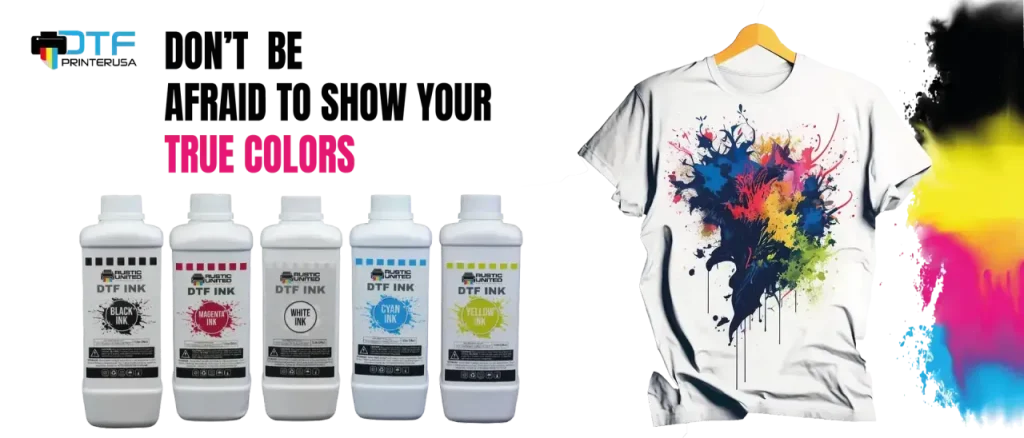
As I delved deeper into the workings of DTF printing, I discovered how crucial high-quality inks are to the process. The vivid colors and sharp details that emerge from DTF prints are a direct result of the ink’s formulation and compatibility with both the film and the fabric. This understanding is vital for beginners, as selecting the right materials can greatly affect the overall outcome of the finished product.
A Beginner’s Journey into DTF Printing
Starting out in DTF printing was an eye-opening experience. The learning curve was steep, primarily due to the need for precision in adjusting printer settings and effectively using the heat press. Initially, I struggled with the temperature and duration to achieve optimal transfers, which often led to disappointing results. However, with persistence and research, I slowly began to understand the nuances of this printing technology.
My journey into DTF printing was further enriched by online resources and community forums, which provided invaluable insights and troubleshooting tips. This community support proved essential, allowing me to connect with others who were also learning the ropes, share experiences, and gather advice on common pitfalls. Such knowledge can significantly shorten the learning curve for beginners stepping into the custom apparel world.
Cost-Effectiveness and Flexibility of DTF Printing
One of the standout benefits of DTF printing, especially for beginners, is its cost-effectiveness compared to other printing methods. The initial investment in a DTF setup—while still necessitating quality equipment—can be significantly less than that of a Direct-to-Garment printer. This accessibility opens doors for aspiring entrepreneurs and artists, allowing them to experiment with their creative ideas without incurring heavy financial risks.
Moreover, DTF printing’s flexibility is another compelling reason to consider this method for custom apparel projects. It suits a wide range of fabric types, including both light and dark materials, without complex pre-treatments. This versatility encourages creative freedom, enabling designers to produce everything from bold graphic tees to cozy sweatshirts with ease.
Quality and Durability in DTF Printed Apparel
The quality and durability of DTF prints are extraordinary facets of this technology that truly set it apart. During my initial trials, I was impressed by how well the prints held up post-wash, maintaining their vibrant colors and details over multiple cleans. This durability is a crucial selling point for any apparel business; customers naturally favor items that withstand the test of time.
However, achieving this level of quality largely depends on the equipment used and the inks selected for the process. Investing in high-quality DTF printers and inks can elevate the quality of prints significantly, ensuring they not only look good initially but also remain intact after repeated wear. This attention to quality makes DTF a reliable choice for those looking to make a name in the apparel industry.
Navigating the Learning Curve of DTF Printing
Understanding the learning curve associated with DTF printing is crucial for beginners. Initially, I found the necessity of experimenting with various printer settings daunting. Determining the precise temperature and time to press the design onto the fabric required trial and error, which could be disheartening at times. Yet, this exploration was essential in learning how different materials reacted to the DTF printing process.
Thankfully, there are countless online resources and communities dedicated to sharing knowledge about DTF printing. Joining forums and viewing tutorial videos became my go-to methods for troubleshooting and optimizing my techniques. Engaging with these resources helped me to not only refine my own skills but also gain insights into advanced techniques from seasoned professionals in the field.
Current Market Trends in DTF Printing
My exploration of DTF printing also exposed me to the current market trends surrounding this innovative technology. The demand for custom clothing continues to surge, driven by consumer desires for personalized and unique designs. DTF printing’s capability to meet these demands efficiently positions it as a frontrunner in the custom apparel sector. As the global focus shifts towards sustainability, many companies are now researching eco-friendly inks, further solidifying DTF’s relevance in the upcoming years.
Furthermore, advancements in printing technology and materials continually propel DTF printing forward, providing more opportunities for innovation and creativity. For those looking to enter the industry, understanding these trends not only aids in decision-making but also equips them with the foresight necessary to succeed in an ever-evolving market.
Frequently Asked Questions
What is DTF printing and why is it important for a beginner’s journey into DTF printing?
DTF printing, or Direct-to-Film printing, is an advanced custom apparel printing technology that allows designs to be printed onto a special film before being transferred to fabrics. For beginners, DTF printing offers an affordable entry point into textile printing, enabling high-quality, vibrant designs that are durable and adaptable to various materials, making it a popular choice in the custom apparel market.
How does the DTF printing process work for beginners?
The DTF printing process involves three main steps: first, print your design onto a DTF film with a specialized printer; next, apply an adhesive powder to the film; and finally, use a heat press to transfer the design onto fabric. This beginner-friendly guide simplifies complex steps, ensuring even newcomers can produce quality prints suitable for a variety of fabrics.
What are the key advantages of DTF printing for beginners?
For beginners venturing into custom apparel printing, the primary advantages of DTF printing include its cost-effectiveness, flexibility with fabric choices, and the high quality of prints produced. DTF technology allows for detailed designs, can accommodate both light and dark materials without pre-treatment, and offers excellent washability, making it perfect for t-shirt entrepreneurs.
Are there any common challenges beginners face in DTF printing?
Yes, beginners may encounter challenges such as finding the right printer settings and heat press parameters. Trial and error during the learning curve is common, as optimal temperature, pressure, and time settings are crucial for successful DTF printing. Utilizing online resources and community forums can help address these hurdles effectively.
Why should beginners invest in quality DTF printers and inks?
Investing in quality DTF printers and inks significantly impacts the overall printing quality and durability of custom apparel. High-quality equipment ensures vibrant, clear designs that withstand multiple washes, making the initial investment worthwhile for beginners aiming for professional results in their DTF printing endeavors.
What resources can assist beginners in mastering DTF printing?
Beginners looking to master DTF printing can benefit from a variety of online resources, including blogs like Printful and Graphics.com, which offer in-depth insights on DTF technology, equipment recommendations, and helpful tips. Additionally, community forums and tutorials provide essential support and troubleshooting advice as you navigate your journey into DTF printing.
| Key Points | Details |
|---|---|
| Introduction | An overview of DTF printing as a revolutionary textile printing method. |
| Process Understanding | Steps include printing the design, applying adhesive powder, and heat transfer. |
| Cost-Effectiveness and Flexibility | DTF is cost-effective for beginners and versatile for different fabrics. |
| Quality and Durability | DTF prints show excellent durability and can withstand multiple washes. |
| Learning Curve | Setting up requires experimentation with printer and heat press settings. |
| Market Trends | Growing demand for custom clothing and sustainable options indicates a positive future. |
Summary
A Beginner’s Journey into DTF Printing reveals the exciting potential of this innovative technique in custom apparel. As I navigated the complexities of Direct-to-Film printing, I uncovered key insights that not only broadened my understanding but also highlighted its advantages for newcomers in the textile printing industry. The unique process combining film printing and heat transfer creates vibrant designs that cater to diverse fabric types, ensuring flexibility and durability. Additionally, DTF printing is cost-effective, making it accessible to beginners eager to explore their creativity. By learning and adapting to this technology, emerging designers can anticipate a thriving opportunity in the ever-evolving marketplace of personalized products. With dedication and experimentation, anyone can excel in DTF printing and tap into the growing demand for custom clothing.