
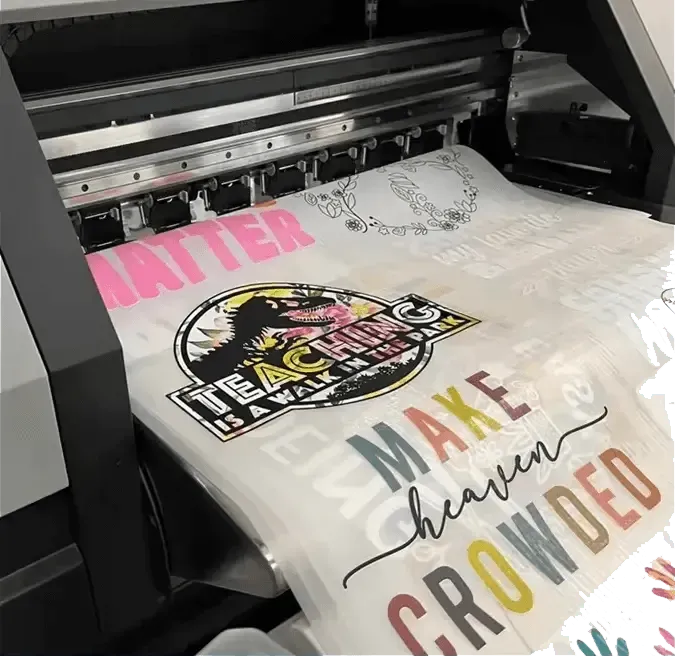
DTF transfers mistakes can dramatically affect the quality of your prints, especially if you’re new to the Direct-to-Film printing process. As this innovative printing method gains popularity in the garment industry, many users encounter various common DTF issues that can lead to subpar results. Understanding these pitfalls is essential for anyone looking to improve their DTF printing techniques and create high-quality designs. In this article, we will delve into five prevalent DTF printing errors and provide actionable DTF printing tips to help you enhance your transfer quality. By addressing these mistakes proactively, you’ll set yourself up for success in creating impressive prints that your customers will love.
When discussing challenges in the Direct-to-Film method, it’s important to recognize that various printing errors can impede your results. Mistakes in preparing artwork, selecting the wrong materials, or even using the inappropriate heat settings can all contribute to disappointing outcomes. As we navigate the intricacies of this transfer technique, understanding how to avoid frequent pitfalls can significantly elevate your printing process. This guide aims to explore how to enhance the quality of your printed designs while providing practical solutions to address the most common issues faced by beginners and experienced printers alike. Whether it’s by refining your pre-treatment methods or choosing the right ink options, mastering these aspects will lead you to outstanding DTF print results.
Maximizing DTF Transfer Quality through Artwork Preparation
Artwork preparation is crucial for achieving high-quality DTF prints. When setting up your designs, ensure that images are created or converted to high resolution—at least 300 DPI is recommended. This high level of detail preserves sharpness during the printing process. Additionally, color profiles play an important role; always convert RGB colors to CMYK to ensure that the colors printed match those viewed on screen. Inadequate preparation can lead to unsatisfactory results that do not represent the original design appropriately.
Another important aspect of artwork preparation is format selection. For optimal results with DTF transfers, using file formats such as PNG or TIFF can make a significant difference. These formats preserve image quality and transparency, which is essential for detailed designs. Testing the design with a small print can help detect any anomalies before proceeding to bulk production, ultimately leading to more successful outcomes and minimizing waste.
Common DTF Printing Errors and Their Solutions
Many users encounter common DTF printing errors that can detract from overall print quality. One prevalent issue is improper ink application, which can result from using incompatible or low-quality inks. This leads to faded prints or poor adhesion. To address this, ensure that you choose high-quality inks that are specifically formulated for DTF printing. Investing in reputable brands can significantly enhance the adherence of prints to fabrics, achieving vibrant colors that last.
Another error frequently noted is the neglect of heat settings, which can drastically alter the adhesion properties of a DTF print. Incorrect application of heat can lead to prints peeling away or not adhering at all. Maintaining precise heat settings as per the manufacturer’s recommendations is essential. Always make time to experiment with test presses; this will allow you to fine-tune your approach and adapt to different materials and inks, resulting in an overall improvement in DTF transfer quality.
Improving DTF Prints: Ink Selection Matters
One of the simplest yet most impactful ways to improve your DTF prints is through careful ink selection. The ink you choose directly affects the vibrancy, washability, and durability of your prints. Opting for inks that are specifically acknowledged in the industry for DTF applications creates a strong foundation for high-quality output. Cheaper alternatives may save money upfront but can lead to subpar performance in terms of color intensity and adhesion.
To find the best inks for your DTF projects, consider researching user reviews and expert recommendations in the printing community. Many experienced printers share their insights on forums and social media platforms about which inks yield the best results. By following this advice, you can avoid common mistakes that lead to disappointing prints and instead invest in products that maximize your print quality and enhance customer satisfaction.
Understanding Heat Press Settings for DTF Success
Heat settings are a critical component that can make or break your DTF transfers. Each DTF transfer product may have specific heat requirements that can include adjustments in temperature, pressure, and pressing times. Not adhering to these settings can result in strange functional issues; incorrect heat can cause prints to adhere poorly, while excessive heat can lead to burning or melting of the film.
A well-calibrated heat press is indispensable for achieving consistent results. It’s advisable to familiarize yourself with the guidelines provided by your printer and heat press manufacturers. Maintaining an accurate heat and pressure setting can significantly improve the chances of successful transfers, leading to prints that not only look great but also endure washing and wear.
The Importance of Quality Transfer Films in DTF Printing
Using high-quality transfer films is pivotal for achieving outstanding DTF print results. The film acts as the medium that holds the ink and facilitates the transfer process, so selecting the right type is essential. Always opt for films that are expressly designed for DTF printing to ensure that they interact well with the inks you are using, thereby improving print clarity and overall product durability.
Additionally, a quality transfer film should maintain its integrity under the heat press. Low-grade films might melt or warp, leading to an imperfect transfer. Investing in top-tier films not only enhances print quality but also reflects your commitment to quality craftsmanship in your products, which can greatly benefit your business reputation and customer satisfaction.
Avoiding Pre-Treatment Errors in DTF Transfers
Pre-treatment is an often-missed step in the DTF transfer process that can significantly influence print adhesion and vibrancy. Certain materials, especially synthetic fabrics, benefit from a proper pre-treatment process to enhance the bonding of the transfer. Without this, the final print might lack precision and vibrancy, negating the efforts put into artwork and ink selection.
It’s important to follow pre-treatment instructions meticulously, ensuring every fabric type is treated correctly. Using a suitable pre-treatment solution will enhance ink absorption and lead to a more durable transfer. Allowing the pre-treated fabric to dry properly before pressing the DTF transfer is equally crucial, as moisture can hinder the bonding process, resulting in prints that don’t adhere well.
Frequently Asked Questions
What are the common DTF transfer printing errors that affect quality?
Common DTF transfer printing errors include poor artwork preparation, improper heat settings, and neglecting the transfer film quality. These mistakes can lead to disappointing prints that lack vibrancy, clarity, and longevity.
How can I improve DTF transfer print quality by avoiding DTF printing mistakes?
Improving DTF transfer print quality starts with proper artwork preparation, including using high-resolution images and the correct color profiles. Additionally, selecting compatible ink, the right heat settings, and quality transfer films are crucial to avoid DTF printing mistakes.
What steps should I take to prevent common DTF issues during the printing process?
To prevent common DTF issues, ensure that your artwork is prepared to high standards, use inks suited for DTF, verify heat press settings, choose high-quality transfer films, and implement pre-treatment when necessary for certain fabrics.
What role does ink selection play in avoiding DTF transfer mistakes?
Ink selection is critical in DTF printing. Using inks that are specifically formulated for DTF processes ensures optimal adhesion, vibrant colors, and overall print quality, preventing common DTF transfer mistakes that can arise from cheaper or incompatible inks.
Why is pre-treatment important in DTF printing to avoid mistakes?
Pre-treatment is vital in DTF printing for certain fabrics, especially synthetics. Skipping this step can lead to poor adhesion and washed-out colors, making it crucial to follow pre-treatment processes to ensure high-quality DTF transfers.
What can happen if I ignore artwork preparation in DTF transfers?
Ignoring artwork preparation in DTF transfers can result in low-quality prints with incorrect colors and poor detail. To avoid this, always prepare your artwork with high-resolution images and appropriate formats, which are essential for achieving the best DTF transfer quality.
| Mistake | Description | Solution |
|---|---|---|
| Poor Artwork Preparation | Inadequate preparation leads to disappointing prints. | Ensure high-resolution images (300 DPI) and correct color profiles. |
| Ignoring Ink Curation | Using incompatible or cheap inks can affect print quality. | Opt for inks designed specifically for DTF printing. |
| Improper Heat Settings | Incorrect heat settings can ruin transfers. | Follow manufacturer guidelines and test settings. |
| Neglecting Transfer Film Quality | Low-quality films affect print outcomes. | Choose high-quality, DTF-compatible films. |
| Skipping Pre-Treatment | Essential for certain fabrics to ensure adhesion. | Use pre-treatment solutions on appropriate materials. |
Summary
DTF transfers mistakes can significantly affect the quality of your prints, making it crucial for users to be aware of common pitfalls. By understanding and avoiding these five mistakes—poor artwork preparation, ignoring ink curation, improper heat settings, neglecting transfer film quality, and skipping pre-treatment—you can greatly enhance your printing process. With attention to detail and the right techniques, DTF printing can yield stunning results that not only meet but exceed customer expectations.

