
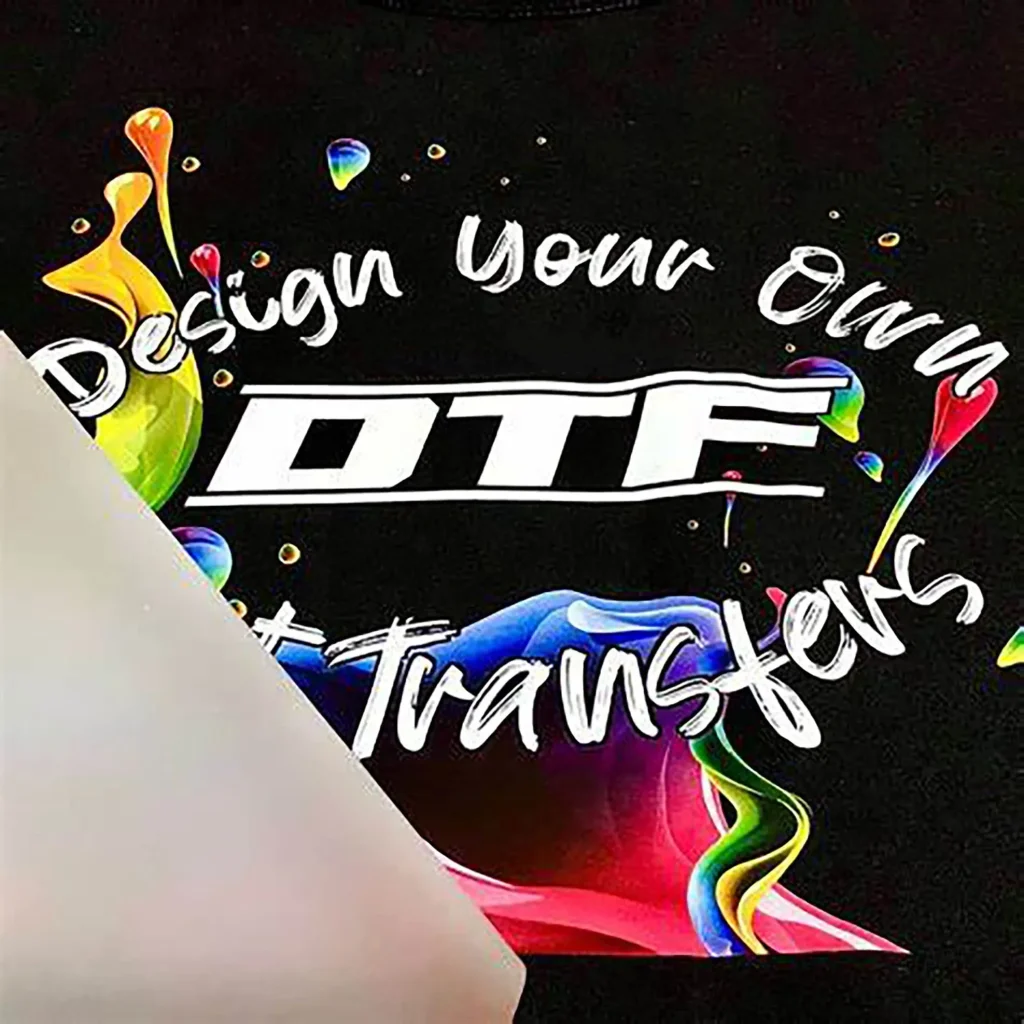
DTF transfers, or Direct-to-Film transfers, are revolutionizing the apparel industry with their innovative approach to fashion printing solutions. This cutting-edge technology allows for vibrant, high-quality designs to be printed on specialized films, which are then transferred onto various fabric types with ease. As brands increasingly seek sustainable printing technologies and efficient production methods, DTF transfers have emerged as a popular choice, offering both speed and superior quality. Whether it’s custom apparel production or trendy merchandise, DTF’s versatility meets the demands of modern consumers. Join us as we explore the dynamic world of DTF transfers and uncover the reasons behind their meteoric rise in apparel printing.
Direct-to-Film printing, often referred to as DTF, is making waves in the clothing and fashion industries due to its effective printing capabilities. This process involves using unique film transfers to apply intricate and colorful designs onto garments, making it a game-changer for custom apparel. The adaptability and efficiency of this method cater to a growing market of personalized clothing and eco-conscious consumers seeking sustainable solutions. With advancements in printing technology, this method not only enhances quality but also significantly reduces production times and costs. Dive deeper into the realm of DTF technology and see how it is redefining modern apparel production and printing practices.
The Rise of DTF Transfers in Apparel Printing
In recent years, Direct-to-Film (DTF) transfers have emerged as a groundbreaking solution in the world of apparel printing. This innovative process allows brands to achieve vibrant, high-quality prints with remarkable efficiency. As consumer demand for customized apparel grows, businesses are seeking printing methods that not only meet aesthetic expectations but also adapt to rapid market trends. DTF technology has stepped up to the plate, substantially shortening production times and providing brands with the flexibility they need to supply personalized garments quickly.
As the apparel industry continues to evolve, the versatility offered by DTF transfers cannot be overlooked. This method allows for seamless application on various fabric types, catering to a wide range of products from casual t-shirts to sophisticated activewear. The adaptability of DTF technology makes it an attractive choice for fashion designers and brands aiming to explore limitless creative possibilities.
Understanding the Efficiency of DTF Transfers
The efficiency of DTF transfers is a significant reason for their burgeoning popularity in the apparel industry. Compared to traditional methods like screen printing and heat transfer vinyl, DTF technology boasts a streamlined process that enables quicker turnaround times. For brands operating in a fast-paced market, this efficiency translates into the ability to respond swiftly to consumer trends and demands, ensuring customer satisfaction. Rapid production capabilities allow brands to capitalize on fleeting trends, providing tailored designs without the extensive wait times typically associated with other printing methods.
Moreover, the operational efficiency of DTF printing not only helps manufacturers in terms of time but also enables them to reduce labor costs associated with lengthy printing processes. Business owners can focus on expanding their product lines or enhancing their services, knowing that the DTF method can keep up with their output requirements. This powerful combination of speed and cost-management embodies a crucial advantage for brands striving to remain competitive in the crowded apparel landscape.
Quality and Durability in DTF Printing
One of the standout features of Direct-to-Film (DTF) printing is its ability to produce high-quality visuals that retain their integrity over time. Unlike traditional printing methods that may fade or crack after several washes, DTF prints are engineered to withstand multiple cycles without losing vibrancy or detail. This durability is particularly important for brands that prioritize customer satisfaction and product longevity. With consumers increasingly seeking value for their money, the ability to offer high-quality printed apparel is a competitive edge that cannot be overlooked.
Additionally, the quality inherent in DTF transfers opens doors for creativity and innovation in design. Designers are able to experiment with complex images, gradients, and bold colors, resulting in apparel that stands out in the market. As fashion trends lean toward unique and personalized items, the high-definition capabilities of DTF printing allow brands to create distinctive products that resonate with their audience, making each piece feel special and tailored.
Cost-Effectiveness of DTF Transfers for Brands
For many small to medium-sized businesses in the apparel industry, budget constraints are a reality that must be navigated. Traditional printing methods often come with substantial overhead costs—setting up screen printing equipment or buying large quantities of heat transfer vinyl can be prohibitive. DTF transfers, however, offer a more budget-friendly solution that enables brands to produce custom designs without the financial strain. The lower setup costs and efficient production process make DTF a viable option for even the most financially-conscious companies.
This cost-effectiveness is empowering a new wave of entrepreneurs who are eager to enter the apparel market. Independent creators and start-ups can leverage DTF technology to launch their custom apparel lines without the fear of overwhelming expenses. This democratization of apparel production encourages innovation and diversity within the market, allowing new voices and styles to emerge while maintaining a commitment to quality.
Sustainability in DTF Printing Practices
In the context of increasing consumer awareness about environmental issues, sustainability is becoming a crucial selling point in the apparel industry. Direct-to-Film (DTF) transfers align with current eco-conscious trends by utilizing water-based inks that are less harmful compared to conventional solvents. By adopting DTF printing, brands can promote their commitment to sustainability, appealing to a growing demographic that prioritizes environmentally-friendly practices in their purchasing decisions.
Additionally, as sustainability becomes a focal point in fashion, brands using DTF transfers can position themselves as leaders in responsible manufacturing. This enhanced reputation not only attracts environmentally-conscious consumers but also fosters loyalty among clients looking to support brands that contribute positively to the planet. By integrating sustainable printing technologies into their operations, companies can balance profitability with environmental responsibility, helping to shape a more sustainable future for the apparel industry.
Technological Advances and Accessibility of DTF Transfers
The landscape of apparel printing is undergoing rapid transformation, largely due to technological advancements that make Direct-to-Film (DTF) printing more accessible than ever before. With the advent of affordable DTF printers, small businesses and individual artists can easily invest in this technology without worrying about upfront costs. This shift has opened the door for countless entrepreneurs to explore the possibilities of custom apparel production, leading to a thriving ecosystem of creativity in the fashion space.
Moreover, as technologies continue to evolve, the quality and capabilities of DTF printers improve concurrently. Innovations allow for faster printing speeds, higher resolution outputs, and greater compatibility with various fabrics. As barriers to entry diminish, the ability for even the most modest operations to participate in the apparel production landscape is enhanced. This accessibility empowers individuals and brands alike to not only meet consumer demand but also push the boundaries of design and innovation in fashion printing solutions.
Frequently Asked Questions
What are DTF transfers and how do they work in apparel printing?
DTF transfers, or Direct-to-Film transfers, are a printing method where designs are printed onto a special film and then transferred onto fabric using heat and pressure. This process allows for vibrant, high-quality prints that adhere well to various textiles, making them ideal for custom apparel production.
Why are DTF transfers considered a cost-effective solution in custom apparel production?
DTF transfers are considered cost-effective because they require lower initial setup costs compared to traditional printing methods like screen printing. This affordability allows small to medium-sized businesses to produce high-quality custom designs economically without a significant financial burden.
What advantages do DTF transfers offer regarding sustainability in printing technologies?
DTF transfers utilize water-based inks that are generally less harmful to the environment, aligning with sustainable printing technologies. As consumers increasingly demand eco-friendly options, brands that use DTF transfers can appeal to environmentally-conscious customers, enhancing their market reputation.
How does the efficiency of DTF transfers impact order fulfillment in the apparel industry?
The efficiency of DTF transfers significantly reduces production times compared to traditional printing methods, allowing brands to meet quick turnaround demands. This ability to swiftly produce custom apparel not only satisfies consumer expectations but also enables manufacturers to handle larger volumes of work more effectively.
In what ways do DTF transfers provide superior quality compared to other printing methods?
DTF transfers excel in producing high-definition prints with bright colors and intricate details that maintain their quality even after multiple wash cycles. This superior quality and versatility in adhering to different fabric types make DTF a preferred choice in fashion printing solutions.
What recent trends indicate the growing popularity of DTF transfers in the apparel market?
Recent trends show a rising consumer demand for personalized clothing and unique merchandise, driving growth in the DTF transfer market. This technology enables brands to create on-demand garments tailored to individual preferences, thereby increasing customer satisfaction and maintaining a competitive edge.
| Key Points | Description |
|---|---|
| What are DTF Transfers? | DTF transfers involve printing designs on a special film, which are transferred onto various fabrics using heat and pressure. |
| Efficiency and Speed | DTF transfers significantly reduce production times, helping manufacturers meet quick consumer demands without delays. |
| Superior Quality and Versatility | They produce high-definition, durable prints that work on a variety of textiles, ensuring vibrant designs for diverse apparel. |
| Cost-Effectiveness | DTF printing minimizes setup costs compared to traditional methods, making it accessible for small businesses and independent creators. |
| Environmental Impact | Utilizes water-based inks that are less harmful to the environment, appealing to eco-conscious consumers seeking sustainable options. |
| Technological Advancements and Accessibility | Affordable DTF printers have become widely available, enabling more businesses to adopt this modern printing technology. |
| Market Growth and Trends | The DTF transfer market is expanding rapidly, driven by demand for personalized clothing and the ability to produce on-demand garments. |
Summary
DTF Transfers are revolutionizing the apparel industry by offering an innovative, efficient, and eco-friendly solution to custom printing needs. As brands continue to embrace this technology, the benefits of speed, quality, and sustainability become more apparent. With the ability to produce vibrant and durable prints on various fabrics, DTF Transfers cater perfectly to both consumer demands and environmental considerations. Looking ahead, it is clear that DTF Transfers will play a pivotal role in shaping the future of apparel production.

