
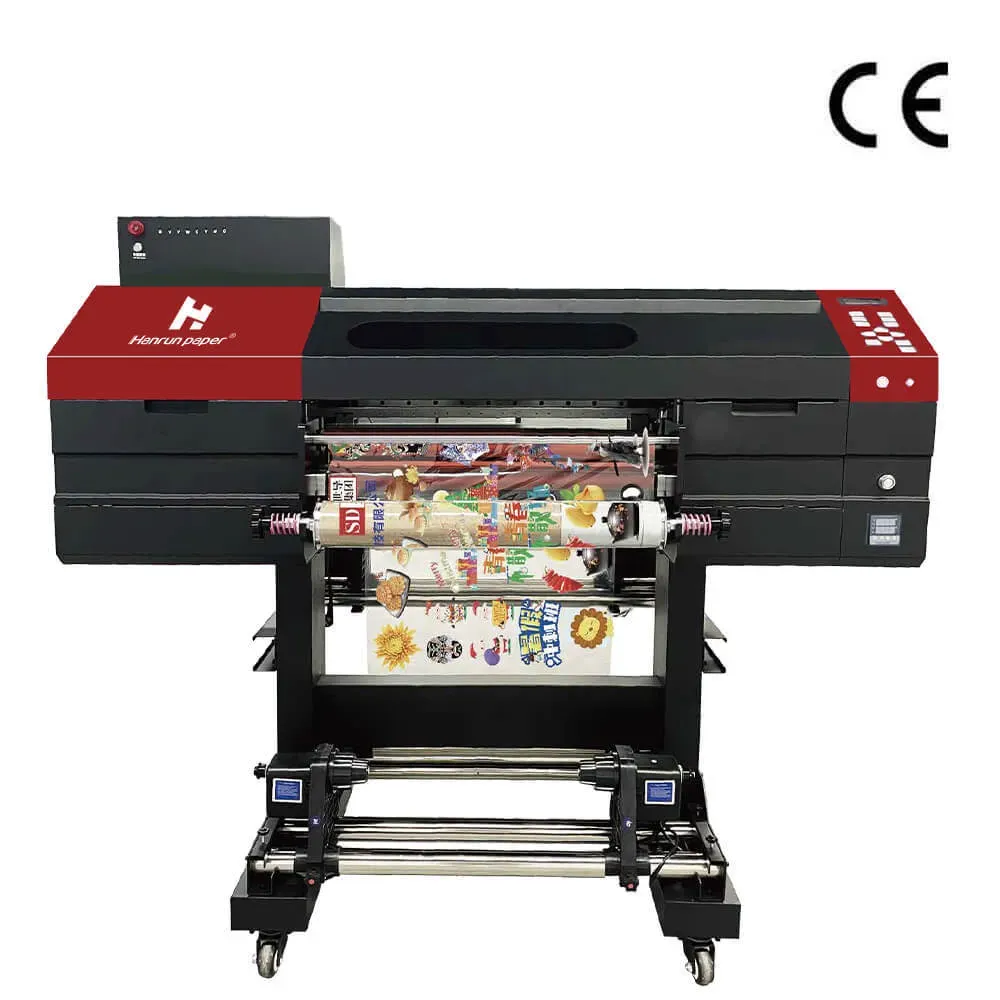
In the dynamic field of printing technology, **UV DTF printing** has emerged as a groundbreaking option that transforms how designs are replicated onto various materials. This innovative method combines the efficiency of digital printing with the robustness of UV curing, providing exceptional color vibrancy and detail that stands out against traditional techniques. When comparing printing techniques, the advantages of UV DTF become increasingly apparent, particularly in terms of speed, material versatility, and eco-friendly printing options. This blog post will explore the unique features of UV DTF printing and analyze its merits in contrast to other popular methods, such as screen printing and sublimation, highlighting its potential to serve a wide range of applications. As more businesses seek sustainable and effective printing solutions, understanding UV DTF could be key to meeting modern demands.
Exploring the realm of contemporary printing techniques, **UV Direct-to-Film (DTF) printing** represents a revolutionary shift from conventional processes. This cutting-edge technology utilizes ultraviolet light to cure inks on films, resulting in stunning, durable prints suitable for an array of substrates. As we delve into the journey of unveiling this innovative printing solution, we will discuss the compelling benefits of DTF printing in comparison with established methods such as screen printing and transfer printing. Not only does this method promise exceptional clarity and color integrity, but it also aligns with the growing consumer demand for eco-friendly printing options. Join us as we dissect the uniqueness of UV DTF and its emerging role in the competitive landscape of printing technology.
Understanding UV DTF Printing
UV DTF printing, or Direct-to-Film printing using ultraviolet light, is becoming increasingly popular in various industries. This innovative technology uses UV-curable inks to print on a plastic film, which is then transferred to a substrate where the design is needed. One of the key reasons to adopt UV DTF printing is its capability to print on an extensive variety of substrates. Unlike traditional printing techniques, which may impose limitations based on material types, UV DTF excels on textiles, metals, glass, and even rigid surfaces. Such versatility makes it an attractive option for businesses aiming to offer diverse products.
Moreover, the quality of prints produced through UV DTF printing is consistently impressive. The rapid curing process evens out the risk of color bleeding, resulting in crisp and vibrant images that stand the test of time. This means less hassle with returns due to print errors and customer dissatisfaction. As businesses critically evaluate their printing techniques, it’s evident that UV DTF can accommodate both aesthetic and functional demands with brilliance.
Comparing UV DTF to Traditional Printing Methods
When assessing the pros and cons of different printing techniques, traditional screen printing often comes up as a staple in the industry. While it is renowned for producing deep, rich colors, the downsides include time-consuming setups and increased costs for small batches. UV DTF printing bridges the gap by providing high-quality prints without the extensive preparation typically associated with screen printing. Businesses can now achieve photo-realistic prints in short run lengths without worrying about high minimums or setup times.
Additionally, UV DTF printing eliminates many of the repetitive and labor-intensive steps required in traditional methods, such as layering and color mixing. This not only enhances production efficiency but also reduces operational costs, making it a more practical option for businesses focused on scalability. With the comparative ease of UV DTF printing, companies can maintain profitability while meeting consumer demands for custom solutions.
The Eco-Friendly Edge of UV DTF Printing
As environmental concerns rise globally, many businesses are keen to adopt more eco-friendly practices. UV DTF printing presents an optimal solution by using UV inks that emit fewer volatile organic compounds (VOCs) than traditional solvent-based inks. This characteristic not only contributes to a healthier workplace but also aligns with the increasing consumer demand for sustainable products. The UV curing method further automates the process, reducing energy consumption during printing.
In contrast, methods like eco-solvent and solvent printing often involve chemicals that can be harmful to both the environment and to workers if proper precautions are not implemented. By choosing UV DTF printing, businesses not only fulfill ethical responsibilities toward the community and environment but also market themselves as forward-thinking brands dedicated to sustainability.
Advantages of Using UV DTF in Modern Printing
The advantages of UV DTF printing extend beyond environmental sensitivity and quality; speed is another significant factor that enhances its appeal. In today’s fast-paced market, businesses constantly strive to meet tighter deadlines without compromising quality. UV DTF printing processes are notably quick, allowing for immediate curing after the ink is applied. This provides a much shorter turnaround time compared to traditional techniques which may require days for drying and curing.
Additionally, UV DTF minimizes waste significantly. Traditional printing often comes with a high percentage of wasted materials due to setup and trial runs. With the direct-to-film method, businesses can print only what they need, effectively reducing their carbon footprint and ensuring that resources are utilized efficiently. As companies increasingly focus on operational efficiency, the waste-reducing nature of UV DTF aligns seamlessly with modern manufacturing goals.
Market Trends Supporting UV DTF Printing
The printing industry is witnessing a paradigm shift, largely due to the rapid innovation of technologies such as UV DTF printing. Increasingly, companies are prioritizing solutions that offer quality output while enabling faster production times to cater to market demands. UV DTF printing is becoming the go-to choice for many sectors, including fashion, promotional products, and signage, as its versatility lends itself well to a plethora of applications.
Furthermore, the growth of e-commerce and on-demand printing models has catalyzed the need for practices like UV DTF that can adapt to spontaneous order changes without extensive reworking or delays. The technology’s continual advancement only bolsters its market presence, ensuring that UV DTF printing remains a strong contender in the competitive landscape of printing methodologies.
Technological Innovations in UV DTF Printing
Advancements in technology have propelled UV DTF printing into the spotlight, demonstrating its robustness against other known methods. Ongoing improvements in ink formulations, curing systems, and machinery have elevated the printing process, enhancing print quality and adhesion to a wide range of substrates. As the printing landscape evolves, these innovations continuously optimize workflow, providing businesses with unparalleled efficiency.
Moreover, the introduction of automation in UV DTF processes has made this technology more accessible to smaller enterprises, leveling the playing field for startups and creative entrepreneurs. With the ability to seek high-quality printing solutions without exorbitant costs or complex manual workflows, businesses can focus more on creativity and customer satisfaction rather than logistical challenges.
Frequently Asked Questions
What are the advantages of UV DTF printing compared to traditional printing methods?
UV DTF printing offers several advantages over traditional printing methods, including vibrant color quality, faster production times, and material versatility. With immediate UV curing, prints maintain their integrity without fading, making them ideal for high-quality apparel. Additionally, UV DTF can print on various substrates such as textiles, plastics, and metals, facilitating diverse applications while minimizing waste and utilizing eco-friendly inks.
How does UV DTF printing compare to screen printing?
When comparing UV DTF printing to screen printing, UV DTF is generally more cost-effective and efficient for small runs. While screen printing excels in color depth, it requires lengthy setup times and is less suitable for detailed designs. UV DTF printing allows for high-quality prints with quick turnaround, making it a better choice for custom projects and short production runs.
What printing technology is used in UV DTF printing?
UV DTF printing utilizes advanced Direct-to-Film technology, which involves applying UV inks to a film that is then cured with UV light. This innovative process ensures vibrant color application and detail retention while allowing printing on a wide range of substrates, from fabrics to metals, enhancing its applicability across diverse industries.
Is UV DTF printing an eco-friendly printing option?
Yes, UV DTF printing is considered an eco-friendly printing option. Many UV inks are designed to emit fewer volatile organic compounds (VOCs) compared to traditional solvent-based inks. This characteristic, combined with reduced material waste during the printing process, positions UV DTF printing as a sustainable choice for environmentally conscious consumers and businesses.
Can UV DTF printing handle different materials better than other printing techniques?
Yes, UV DTF printing is highly versatile and can handle a broader range of materials compared to other techniques like sublimation printing, which is limited to specific substrates. UV DTF can print on textiles, glass, metal, wood, and more, making it an ideal choice for varied applications in textiles, signage, and promotional products.
What sets UV DTF printing apart from eco-solvent and solvent printing?
Unlike eco-solvent and solvent printing, which can involve hazardous chemicals and longer drying times, UV DTF printing offers quicker curing processes and the option for using more environmentally friendly inks. This advantage makes UV DTF a safer and more efficient printing technology, particularly for businesses prioritizing sustainability and efficient production.
| Key Features | UV DTF Printing | Traditional Screen Printing | Sublimation Printing | Eco-Solvent/Solvent Printing |
|---|---|---|---|---|
| Color Quality | High vibrancy and detail retention, colors lock quickly. | Excellent color depth and durability but longer setup. | Limited to polyester, color quality fades over time. | Good durability but can be hazardous and has longer drying times. |
| Material Versatility | Can print on textiles, plastics, metals, and glass. | Limited to specific materials, not as versatile. | Mostly polyester materials, less flexible. | Versatile but involves hazardous chemicals. |
| Production Speed | Quick print and curing times for faster turnaround. | Long setup and curing times slow production. | Fewer steps, but slower than UV DTF. | Longer drying times can hinder speed. |
| Environmental Impact | More eco-friendly options available with fewer VOCs. | Uses traditional solvents, less eco-friendly. | Limited eco-friendly options | May involve hazardous materials, environmental concerns. |
| Waste Reduction | Designed to minimize waste, less setup needed. | Significant material waste due to setup. | Minimal waste but requires specific substrates. | More waste due to setup and chemical use. |
Summary
UV DTF printing is revolutionizing the world of printing technology by offering unparalleled advantages over traditional methods. It not only delivers vibrant colors and exceptional detail but also showcases versatility across a wide range of substrates. With significantly faster production times, eco-friendly options, and reduced waste, UV DTF printing stands out as a modern solution for businesses aiming for high-quality outcomes. As this technology continues to evolve, its applications will expand, positioning UV DTF printing as a leading choice in the printing industry.

