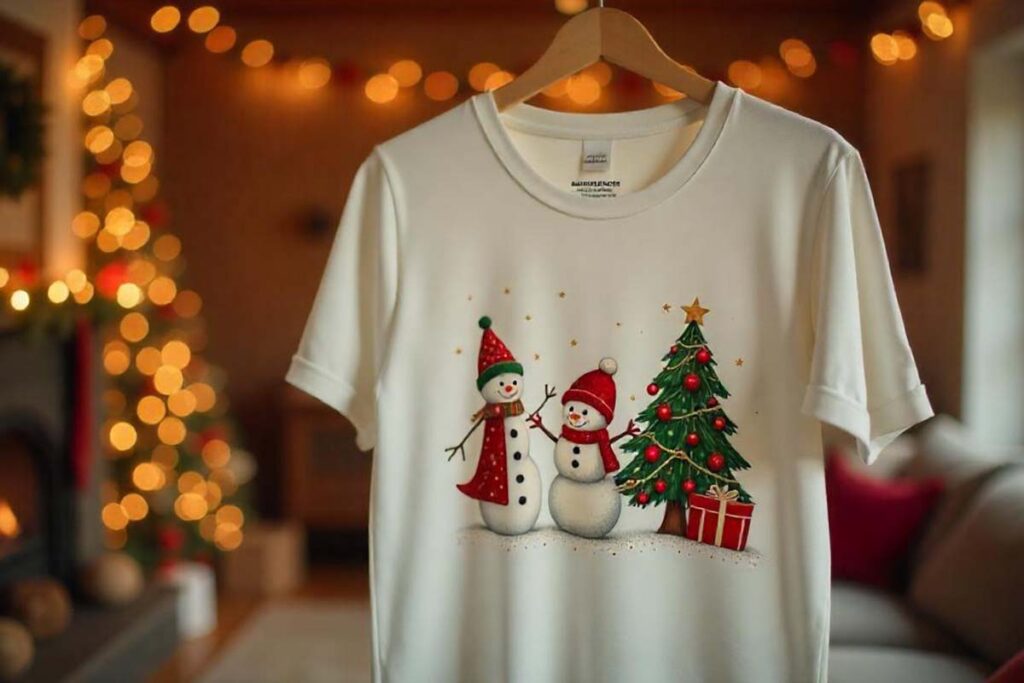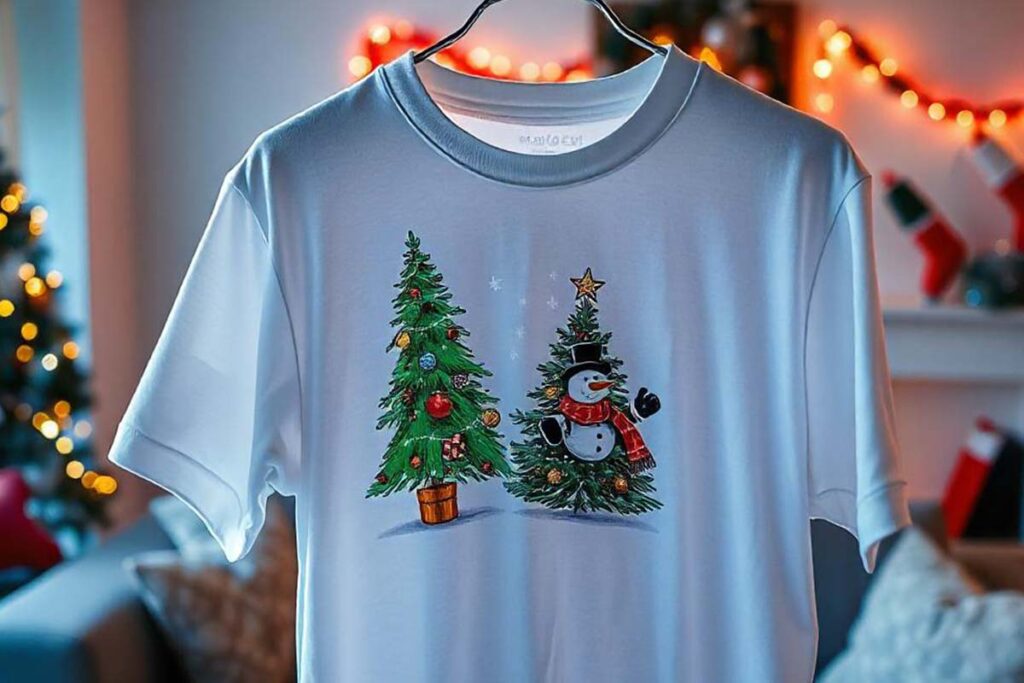
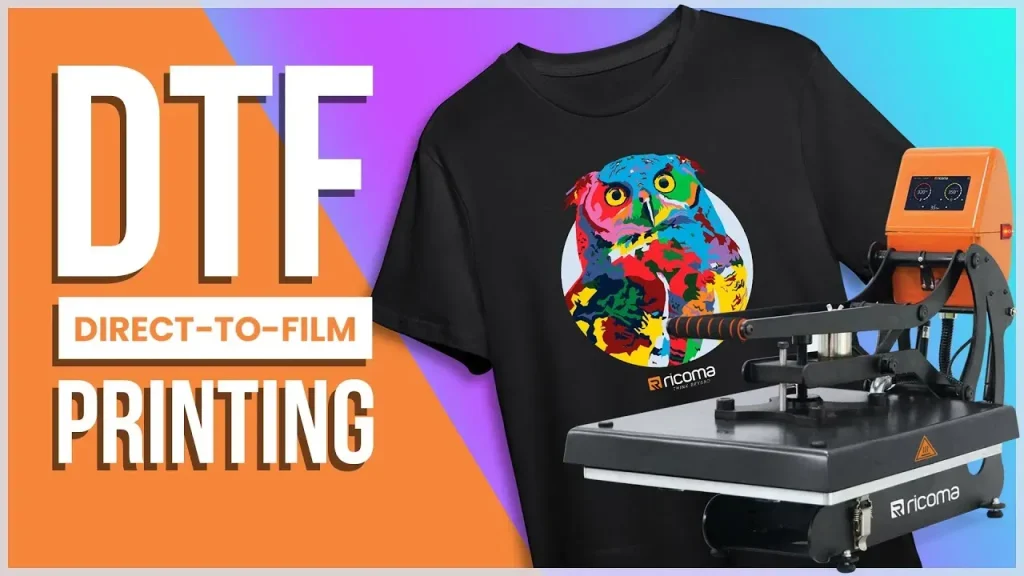
In the dynamic field of textile customization, Direct-to-Film (DTF) printing has emerged as a revolutionary technique that offers remarkable benefits for businesses and individual creators alike. This method significantly enhances DTF printing quality, allowing for stunning vibrancy and intricate details that elevate designs beyond conventional expectations. The advantages of DTF printing extend beyond aesthetic appeal, encompassing cost-effectiveness and versatility that cater to a diverse market demand. By comparing DTF vs DTG printing, industry professionals can appreciate how DTF technology streamlines the printing process while maintaining high standards. As we delve deeper into the subject, you’ll discover the profound impact of DTF printing technology on the future of garment decoration.
Often referred to as the next evolution in printing technology, DTF printing has quickly gained popularity among creatives looking for superior solutions in custom apparel. This process utilizes a film transfer method that captivates with its striking print quality and efficiency, making it an attractive alternative in textile printing. Known for its myriad benefits, including reduced operational costs and environmental sustainability, DTF printing is positioning itself as a remarkable choice for both new and established businesses. A thorough understanding of the DTF process not only illuminates its advantages but also establishes how it stands apart from traditional printing methods like Direct-to-Garment (DTG) printing. Join us as we explore the many dimensions of DTF technology and why it’s becoming the go-to option for modern printing needs.
Unparalleled Quality of DTF Printing
Direct-to-Film (DTF) printing is revolutionizing the custom apparel industry with its exceptional print quality. The technology utilizes high-resolution printers that can produce vivid colors and intricate designs, resulting in striking visual impact. Unlike traditional printing methods, DTF printing captures the minute details of each design, ensuring that fine lines and gradients are rendered beautifully. This level of quality is especially advantageous for brands aiming to create eye-catching products that stand out in a crowded market.
Furthermore, the durability of DTF prints is a significant selling point. The inks used in DTF printing bond effectively with various fabrics, providing resistance against fading and wear. This enduring quality means that garments can withstand multiple washes without losing their vibrant appearance. As consumers increasingly seek high-quality apparel, businesses leveraging DTF technology can assure their customers that they are investing in long-lasting products, enhancing customer satisfaction and brand loyalty.
The Versatility of DTF Printing
One of the primary benefits of DTF printing lies in its remarkable versatility. This technology is compatible with a wide range of fabric types, from cotton and polyester to blends and other unconventional textiles. This flexibility enables printers to cater to diverse customer needs, whether they are producing promotional t-shirts, custom sports jerseys, or even high-end fashion apparel. By embracing the versatility of DTF printing, businesses can easily expand their product lines without the worry of fabric limitations.
Moreover, the DTF printing process allows for impressive design options, including the use of intricate illustrations and photographic images. This adaptability not only meets the creative requirements of designers but also opens up new market opportunities. As brands look to differentiate themselves through unique offerings, the ability to print on various materials and textiles with high precision positions DTF printing as a frontrunner in the apparel customization sector.
Cost-Effectiveness of DTF Printing Setup
For small to medium-sized enterprises (SMEs), the financial aspect of entering the custom printing market can be quite intimidating. However, one of the standout advantages of Direct-to-Film (DTF) printing is its relatively low setup cost. Unlike Direct-to-Garment (DTG) printing or screen printing—both of which involve substantial initial investments in equipment and materials—DTF printing allows companies to access high-quality printing with a much smaller upfront cost. This cost efficiency helps minimize the barrier to entry for startups and small businesses.
In addition to lower equipment costs, DTF printing’s operational expenses are also favorable. The process typically requires less labor to manage than other printing methods, allowing businesses to allocate their financial resources more effectively. Combined with the fact that DTF printing caters to smaller runs without sacrificing quality, it becomes clear that this technology is essential for entrepreneurs looking to thrive in the competitive custom apparel industry.
Speed and Efficiency in DTF Printing
In today’s fast-paced market, speed and efficiency are paramount, and Direct-to-Film (DTF) printing excels in this regard. The process involves creating transfers that can be quickly applied to various garments, dramatically reducing production time compared to traditional printing methods. Businesses that adopt DTF printing find themselves better equipped to handle urgent orders and high-volume requests, giving them a competitive edge in the market.
Additionally, the swift application process means that businesses can offer expedited services without compromising on quality. This is particularly essential for shops that cater to last-minute events or seasonal promotions. As turnaround times shorten, customer satisfaction increases, leading to repeat business and positive word-of-mouth. DTF printing not only meets the demands for speed but also ensures that quality is maintained, striking a perfect balance that businesses need to succeed.
Eco-Friendly Aspects of DTF Printing
As sustainability becomes a critical factor for modern consumers, Direct-to-Film (DTF) printing represents an eco-friendly choice in the printing landscape. Many DTF printers employ water-based inks that minimize harmful emissions and reduce the environmental impact associated with traditional solvent-based inks. By choosing DTF printing, businesses can align their operations with the values of environmentally conscious consumers, enhancing their brand’s image.
Moreover, this commitment to sustainability can play a crucial role in establishing a brand’s identity. As eco-friendly practices become increasingly important, consumers are more likely to support brands that actively work towards reducing their carbon footprint. By integrating DTF printing into their production processes, businesses can not only cater to the growing demand for sustainable options but also tap into a market that prioritizes ethical and responsible manufacturing.
Understanding DTF vs. DTG Printing
When considering custom apparel printing, many businesses face the dilemma of choosing between Direct-to-Film (DTF) and Direct-to-Garment (DTG) printing. DTF printing offers several advantages that make it stand out from DTG printing, particularly in terms of versatility and fabric compatibility. While DTG is typically best suited for 100% cotton materials, DTF printing can be used on a broader spectrum of fabrics, including blends and synthetic materials. This key difference allows businesses to cater to a wider customer base with diverse preferences.
Additionally, when it comes to production speed and setup costs, DTF printing consistently proves to be more efficient than DTG printing. DTF printing makes it possible to achieve faster turnaround times due to its use of transfer sheets, which can streamline production and reduce labor needs. Businesses that prioritize quick delivery and lower overhead costs may find that DTF printing aligns better with their operational goals, making it a strategic choice in the competitive custom apparel market.
Frequently Asked Questions
What are the advantages of Direct-to-Film (DTF) printing over other methods?
Direct-to-Film (DTF) printing offers several advantages, including exceptional print quality, versatility across various fabric types, lower setup costs, and faster production times. These benefits make DTF a preferred choice for many businesses compared to traditional methods like Direct-to-Garment (DTG) printing.
How does DTF printing technology ensure high-quality prints?
DTF printing technology produces high-quality prints by using pre-printed film that allows for vibrant colors and sharp details. This method enhances color accuracy and durability, ensuring that the final output meets professional standards for a wide range of applications.
What are the key benefits of DTF printing for small businesses?
The key benefits of DTF printing for small businesses include lower initial setup costs, the ability to produce high-quality designs quickly, and a versatile approach that accommodates various textiles. This allows newcomers to enter the custom printing market with minimal financial barriers.
In what ways does DTF printing compare to DTG printing?
When comparing DTF printing and DTG printing, DTF offers several advantages such as faster setup times and a broader range of fabric compatibility, making it more versatile for different project needs. Additionally, DTF printing generally requires lower equipment costs, making it more accessible for small businesses.
Are the inks used in Direct-to-Film (DTF) printing eco-friendly?
Yes, DTF printing often utilizes water-based inks that are more environmentally friendly compared to solvent-based alternatives. This commitment to sustainability not only helps minimize harmful emissions but also appeals to eco-conscious consumers.
What impact does DTF printing have on production speed and efficiency?
DTF printing significantly enhances production speed and efficiency by eliminating long setup and drying times typically associated with traditional printing methods. The pre-printed film transfers can be applied quickly to garments, making DTF a game-changing option for businesses with urgent printing needs.
| Advantage | Description |
|---|---|
| Quality of Prints | Produces vibrant colors and sharp details, ensuring high color accuracy and durability suitable for various apparel. |
| Versatility | Works on various fabric types, allowing businesses to cater to a diverse range of products from t-shirts to jackets. |
| Lower Setup Costs | Requires a lower initial investment compared to methods like DTG or screen printing, enabling new businesses to thrive. |
| Speed and Efficiency | Utilizes pre-printed film transfers for quick application, resulting in faster turnaround times for urgent orders. |
| Eco-Friendly Inks | Uses water-based inks that are less harmful to the environment, aligning with sustainability goals. |
| Reduced Labor Costs | Simplifies the printing process, thus lowering labor costs as fewer personnel are needed. |
| Market Growth | Meeting the rising demand for efficient printing methods, DTF printing is predicted to see significant market growth. |
Summary
Direct-to-Film (DTF) printing is revolutionizing the custom apparel industry by offering a multitude of benefits that cater to the needs of modern businesses. With its ability to produce high-quality prints, adaptability across various fabric types, and reduced initial setup costs, DTF printing stands out as a compelling choice for both small and established brands. The integration of speed and efficiency in production further enhances its appeal, enabling timely deliveries for urgent orders. Moreover, the commitment to eco-friendly practices through the use of sustainable inks aligns DTF with contemporary consumer values. The ongoing growth in the custom apparel market underscores the importance of this innovative printing method, positioning Direct-to-Film (DTF) printing as a frontrunner in the future of textile printing.