
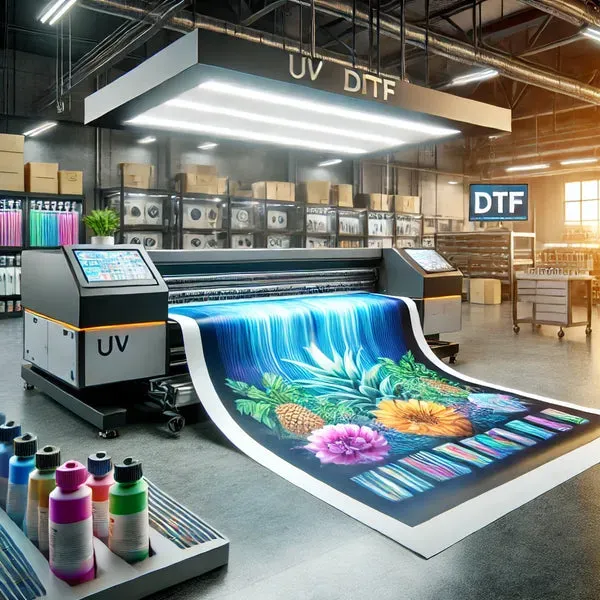
UV DTF technology is ushering in a new era in the printing landscape, combining cutting-edge techniques of UV printing with the efficiency of Direct to Film (DTF) printing. This innovative digital printing technology offers businesses the ability to produce vibrant, high-quality prints that are ready for transfer onto a diverse range of materials, from textiles to unique substrates. As sustainability becomes a cornerstone of modern production processes, UV DTF stands out for its eco-friendly attributes, enabling manufacturers to reduce waste and avoid harmful solvents. With the continuous innovations and advancements in the print industry, UV DTF technology is not just changing the way products are printed; it is redefining expectations for quality and speed. Join us as we explore the various aspects of UV DTF technology, its benefits, and its vital role in shaping future innovations in printing.
Introducing UV DTF technology also means exploring important advancements like ultraviolet direct-to-film printing, which represents a remarkable fusion of versatility and efficiency in the print industry. This modern technique transforms how images are applied onto various materials by utilizing specialized inks cured with UV light, ensuring bright, long-lasting prints. Often regarded as one of the latest trends in digital printing technology, it greatly enhances production capabilities while aligning with the growing demand for sustainable printing practices. Furthermore, as industries evolve to incorporate customizable features, this method emerges as a key player in delivering personalized products that meet consumers’ unique preferences. In the following sections, we will delve deeper into the transformative impact of UV DTF technology and its significance in contemporary printing applications.
Understanding UV DTF Technology
UV DTF technology, or Direct to Film technology, represents a significant innovation in the realm of digital printing technology. By utilizing ultraviolet (UV) inks that are cured instantaneously, this process not only enhances the quality of prints but also drastically reduces the drying time compared to traditional methods. The technology is engineered to print high-fidelity images onto specialized films, which can then be transferred to a myriad of surfaces, including textiles, ceramics, and metals—making it an incredibly versatile option for various applications.
The introduction of UV DTF technology into the print industry signals a shift towards more efficient and sustainable practices. Unlike conventional printing methods that often rely on solvents that emit volatile organic compounds (VOCs), UV DTF utilizes inks that are often eco-friendly, aligning with the growing consumer demand for sustainable printing solutions. The high durability of UV prints, which resist damage from scratches and fading, further supports businesses aiming to deliver high-quality products that stand the test of time.
Frequently Asked Questions
What is UV DTF technology and how does it operate?
UV DTF technology, or UV Direct to Film printing, is an advanced digital printing method that utilizes ultraviolet inks to print images onto a special film, which are then cured instantly with ultraviolet light. This process allows for high-quality prints that can be transferred onto various substrates like textiles, plastics, and metals, offering enhanced durability and vibrant colors.
How does UV DTF technology enhance print quality compared to traditional printing methods?
UV DTF technology significantly enhances print quality through its use of UV inks, which are more vibrant and long-lasting than traditional inks. The immediate curing process not only prevents smudging but also results in prints that are more resistant to scratches, fading, and water damage, providing superior durability and visual appeal.
What are the environmental benefits of using UV DTF technology?
UV DTF technology supports sustainable printing practices by utilizing inks that are often free from volatile organic compounds (VOCs), unlike traditional solvent-based inks. This shift toward eco-friendly materials aligns with growing consumer demand for environmentally responsible products, making UV DTF an attractive option for businesses focused on sustainability.
In what industries can UV DTF technology be applied for better results?
UV DTF technology is highly versatile and can be applied in various industries, including apparel, packaging, promotional merchandise, and signage. Its ability to print on different materials such as fabrics, wood, glass, and metals allows businesses across these sectors to produce high-quality, customized products quickly and efficiently.
What recent innovations have emerged in UV DTF technology?
Recent innovations in UV DTF technology include dual curing capabilities combining UV and LED technology, which enhances energy efficiency while maintaining high printing speeds. Additionally, advanced ink formulations have been developed for improved flexibility and adhesion, enabling superior results across diverse substrates, including those requiring intricate designs.
How does UV DTF technology cater to the demand for customization in printing?
UV DTF technology effectively meets the rising demand for customization by allowing businesses to produce high-quality, personalized products quickly. The technology’s ability to print vibrant designs on a variety of materials enables companies to fulfill unique consumer preferences, making it a valuable asset in today’s competitive print market.
| Key Points | Details |
|---|---|
| What is UV DTF Technology? | An advanced printing method using UV inks that cure instantly, allowing prints on various substrates like textiles, plastics, and metals. |
| Benefits of UV DTF Technology | 1. Versatility: Works on many materials (fabrics, wood, glass, metals, plastics). 2. Quality and Durability: Vibrant and long-lasting colors. 3. Environmental Impact: Uses eco-friendly inks with fewer VOCs. |
| Market Trends | Customization is in demand as consumers seek personalized products, and UV DTF technology allows for efficient production. Increasing accessibility of UV DTF printers aids wider adoption in various businesses. |
| Recent Innovations | 1. Dual Curing Capabilities: Combines UV and LED technology for energy efficiency. 2. Advanced Ink Formulations: Improved flexibility and adhesion for better quality. |
| Industry Impact | Transforming roles in apparel production and packaging. E-commerce growth drives the need for quick, on-demand printing services, which UV DTF efficiently delivers. |
Summary
UV DTF technology is set to revolutionize the printing industry by providing innovative solutions for producing high-quality prints across various substrates. Its versatility, durability, and reduced environmental impact cater to the rising demand for customized products made swiftly and sustainably. As this technology continues to advance and become more accessible, businesses that adopt UV DTF will not only enhance their product offerings but will also respond effectively to the fast-evolving market needs. With these changes, UV DTF technology solidifies its place as a pivotal force shaping the future of print.

