
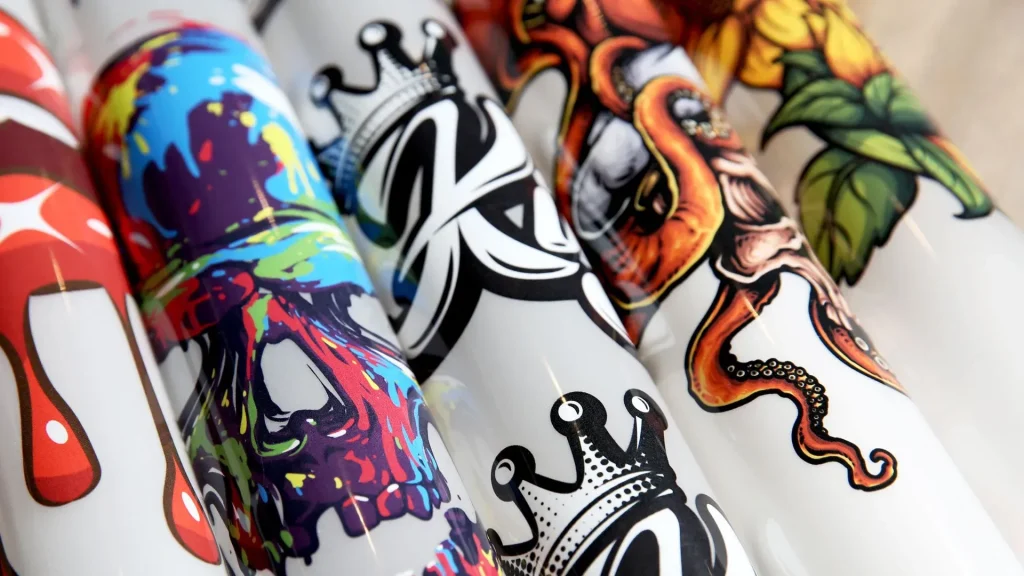
DTF Transfers, or Direct-to-Film transfers, have quickly risen to prominence in the realm of custom textile printing, offering an innovative solution for those eager to create vibrant, high-quality apparel designs. This method allows for the creation of intricate prints on various fabrics, making it ideal for both beginners and experienced printers alike. In this comprehensive DTF printing guide, we will explore the essential techniques you need to master the DTF transfer process, ensuring that you can achieve professional results in your custom projects. Not only does DTF printing stand out for its versatility, but its ease of use unlocks a world of creative expression for artists and entrepreneurs who wish to make their mark in the printing industry. Join us as we delve deeper into the benefits and workings of DTF transfers, and discover how this exciting printing method can transform your textile projects.
When examining the landscape of contemporary printing technologies, terms like Direct-to-Film (DTF) printing and custom textile printing resonate strongly with enthusiasts and professionals. This innovative process allows for stunning designs to be transferred onto fabrics with precision and durability, making it a preferred choice for those working in custom apparel. For beginners, navigating the DTF transfer technique may seem daunting, but this guide promises to illuminate the essential steps in the DTF printing process. With practical insights and a user-friendly approach, we aim to empower novices to effectively harness this revolutionary printing method. As the demand for personalized prints escalates, understanding the DTF printing techniques can place you ahead in this creative industry.
Understanding the DTF Transfer Process
The DTF transfer process is a straightforward yet innovative method of applying designs onto fabric. At its core, it involves several steps that begin with printing a design onto a film specifically designed for Direct-to-Film printing. This film acts as a temporary medium, allowing high-resolution graphics to be displayed vividly. The printed film is then coated with a layer of adhesive powder, which will enable the design to cling to the fabric once heat is applied through a heat press. The simplicity of this process makes it particularly attractive for beginners in the custom textile printing industry.
DTF transfers stand out due to their versatility in fabric compatibility. From cotton to polyester blends, the DTF printing technique can successfully adhere to various materials, making it desirable for different apparel and merchandise projects. Moreover, once the design is heat-pressed onto the clothing, it becomes a long-lasting feature. Unlike other printing methods that can suffer from fading and cracking over time, DTF prints maintain their vibrancy through multiple washes, ensuring that the investment remains viable and appealing for a longer duration.
Essential Equipment for DTF Printing
To embark on your DTF printing journey, certain essential equipment is necessary to ensure quality results. First and foremost, a dedicated DTF printer is required, designed to handle special inks suitable for this printing process. Alongside it, a reliable heat press machine will be critical, as this device applies the heat needed for transferring designs from the film to your chosen fabric. Additionally, transfer film and adhesive powder are fundamental components, as they work together to facilitate a successful application.
While equipment purchases can feel like a significant investment initially, they are essential for achieving high-quality output. Successful DTF printing hinges not just on the right tools, but also on understanding how to utilize them effectively. Familiarizing oneself with graphic design software is equally important, as it enables users to create stunning, customized designs that can be transformed into eye-catching prints on a variety of textiles.
Getting Started with DTF Transfers: A Beginner’s Guide
If you’re new to the world of custom textile printing, starting with DTF transfers can be an excellent choice. The DTF printing guide emphasizes the importance of thoroughly understanding the process from design creation to the application. Beginners should focus on acquiring the right equipment and developing basic skills in graphic design, as it will greatly enhance the quality of their outputs. Familiarizing oneself with common software tools will enable individuals to experiment with different designs and techniques.
The step-by-step process of DTF transfers makes it particularly accessible for beginners. Starting from crafting or selecting a design, printing it onto the transfer film, applying adhesive, curing the powder, and finally heat pressing the design onto fabric can be mastered with practice. This sequence allows for a smooth learning curve, as novice printers can refine their approach with each project, gaining confidence and expertise in custom textile printing.
Exploring the Advantages of DTF Transfers
DTF transfers offer numerous advantages that are especially appealing for beginners in the custom printing field. One of the foremost benefits is their versatility, as this printing method is compatible with a wide range of fabric types. This means users can create customized products that cater to diverse markets and preferences, from t-shirts to bags. The flexibility of DTF printing is increasingly beneficial for those who wish to explore various niches in the textile industry.
Another significant advantage lies in the durability of DTF prints. Unlike traditional printing methods that may suffer degradation through wear and washing, DTF transfers maintain their quality over time. This durability not only assures consumers of the product’s longevity but also solidifies the vendor’s reputation in the market, allowing businesses to attract repeat customers. For beginners aiming to establish a name in the industry, securing customer satisfaction with high-quality products is a vital aspect of success.
Cost Efficiency in DTF Printing
Venturing into DTF printing may require a notable initial investment, particularly for purchasing essential equipment such as printers and heat presses. However, what many beginners may not realize is that this upfront cost can be offset by the long-term savings of not outsourcing printing services. By investing in DTF transfers, small businesses and entrepreneurs can gradually build their capacity while increasing profit margins through in-house production.
As demand for personalized and custom products continues to rise, DTF printing offers a way to remain competitive without incurring substantial operational costs. By efficiently managing expenses and focusing on quality output, new entrants can thrive in the market. An understanding of cost efficiency can dramatically influence the growth trajectory of a DTF printing business, guiding beginners towards a profitable and sustainable operational model.
Current Trends in the DTF Printing Market
The DTF printing market is experiencing robust growth, making it a hotbed of opportunities for aspiring entrepreneurs. Trends indicate that this innovative printing method is skyrocketing in popularity among small businesses seeking to enter the custom textile space. With a generally lower barrier to entry compared to more complex processes like Direct-to-Garment (DTG) printing, many are opting for DTF due to its straightforward setup and efficient production capabilities.
The transition towards personalization in fashion and merchandise has also fueled interest in DTF printing. As more consumers seek unique and customized items, businesses using DTF technology can cater to this demand by quickly delivering bespoke designs. Staying abreast of market trends can help new DTF printing operators capitalize on emerging opportunities and strategically tailor their offerings to match evolving consumer preferences.
Frequently Asked Questions
What is the DTF transfer process and how does it work?
The DTF transfer process, or Direct-to-Film printing, involves printing designs onto a special film using DTF-compatible inks. After the design is printed, it is coated with a heat-sensitive adhesive powder. This setup allows you to transfer the design onto various fabrics using a heat press, ensuring the image adheres securely for a durable finish.
What are the key advantages of using DTF printing for custom textile printing?
DTF printing offers several advantages for custom textile printing, including versatility across different fabric types, exceptional durability that withstands washes, and ease of use, which makes it particularly suitable for beginners. These features enable both hobbyists and entrepreneurs to create high-quality prints efficiently.
What equipment do I need to start DTF printing?
To start DTF printing, you’ll need essential equipment, including a DTF printer, a heat press machine, transfer film, adhesive powder, and graphic design software for creating or modifying your designs. This setup is crucial for successfully executing the DTF transfer process.
Can beginners successfully use DTF transfers for their projects?
Absolutely! DTF transfers are designed with beginners in mind. The process is straightforward, allowing newcomers to achieve professional-quality results without extensive technical knowledge, making it an excellent choice for those just starting in custom textile printing.
How does DTF printing compare to Direct-to-Garment (DTG) printing?
DTF printing generally offers a less complex and more versatile approach than Direct-to-Garment (DTG) printing. While DTG is limited to cotton and requires pre-treatment, DTF can be used on a wider range of fabrics and color options, making it ideal for various custom textile projects.
What are the initial costs associated with starting a DTF printing business?
Starting a DTF printing business involves upfront costs primarily associated with purchasing equipment such as a DTF printer, heat press, and other necessary supplies. Although the investment can be substantial, it often pays off over time as you generate profits and build your custom printing venture.
| Key Points | Details |
|---|---|
| What is DTF Printing? | DTF stands for Direct-to-Film printing, which uses a special film and inks to create vibrant prints that adhere to various fabric types. |
| Advantages of DTF Transfers | 1. Versatility: Works on different fabric types and colors. 2. Durability: Prints remain intact after multiple washes. 3. Ease of Use: Simpler compared to other methods like DTG. |
| Getting Started with DTF Transfers | Essential equipment includes a DTF printer, heat press machine, transfer film, adhesive powder, and design software. A step-by-step process is outlined for creating DTF prints, from design to transfer. |
| Cost Considerations | Initial investment can be high due to equipment costs, but profitability increases as the business grows and custom printing becomes more in-demand. |
| Market Trends | Rapid growth in the DTF market, particularly among small businesses. Lower startup costs compared to DTG make it an attractive option for new entrepreneurs. |
Summary
DTF Transfers have emerged as a revolutionary printing technique, offering high-quality and versatile solutions for custom printing needs. This method is particularly beneficial for beginners venturing into the printing world, as it combines ease of use with durable and vibrant outputs. Whether used for creating personalized apparel or promotional items, DTF Transfers ensure that your designs stand the test of time, making them an excellent choice for both enthusiasts and professionals alike.

