
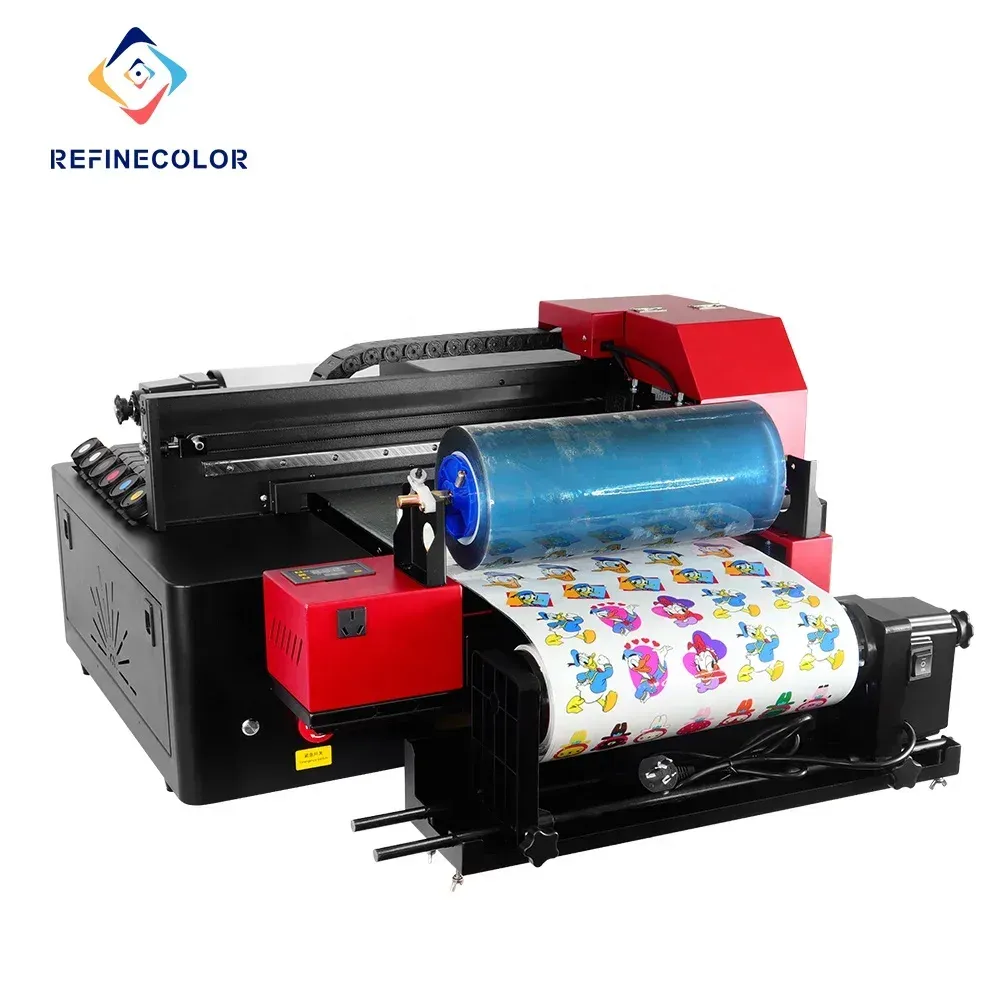
UV DTF printing, or Direct to Film printing, is at the forefront of modern printing technology, offering an exciting blend of speed, quality, and sustainability in the production process. This innovative technique utilizes advanced UV printing technology to cure specially formulated inks on a film, resulting in vibrant prints that are as durable as they are visually striking. By leveraging the advantages of UV DTF, businesses can ensure their products stand out in a competitive market while enjoying the benefits of UV DTF durability against wear and environmental factors. As the demand for custom printing solutions grows, understanding how this method enhances both quality and efficiency is crucial for industries ranging from fashion to signage. Moreover, UV DTF printing aligns with the increasing emphasis on sustainability in printing, presenting an eco-friendly alternative that does not compromise on the richness of colors or print longevity.
When discussing contemporary printing methods, one cannot overlook the impact of UV Direct to Film printing in creating striking, high-resolution visuals on a variety of substrates. Often referred to as a versatile printing solution, this approach employs ultraviolet light to cure inks rapidly, enabling quick production times without sacrificing quality. The remarkable adaptability and durability inherent in UV DTF printing make it a favored choice for businesses looking to produce customized items that resist fading and wear. With industries pushing towards greater sustainability, the lower emission of volatile organic compounds throughout this process further enhances its appeal. As demand for innovative printing continues to rise, exploring options like UV DTF can provide businesses with a significant competitive advantage.
Understanding UV DTF Printing Technology
UV DTF printing technology represents a significant leap in print technology, integrating the precision of direct-to-film techniques with the superior curing capabilities of ultraviolet light. This unique combination allows for the application of richly pigmented inks on versatile substrates, ranging from textiles to metal. At the heart of UV DTF is a straightforward, yet efficient, process that enables printers to produce high-quality prints in rapid succession, meeting the growing demands of various markets.
As industries evolve, so do their printing needs. UV DTF printing caters to the desire for custom printing solutions by providing exceptional flexibility. The ability to print on a range of materials without compromising the quality of the image is crucial in today’s fast-paced environment. Moreover, the vibrant colors that UV DTF technology produces enhance the visual impact of printed materials, making them more appealing to consumers and effectively meeting the demands of diverse applications.
Benefits of Using UV DTF Printing
The advantages of UV DTF printing are numerous and varied, making it a preferred choice for businesses seeking quality and efficiency. One of the standout benefits is the durability of prints. UV DTF produces prints that are highly resistant to fading, scratches, and water damage, resulting in longer-lasting products. This level of durability is paramount in industries like fashion and signage, where products are exposed to different environmental factors on a daily basis.
Additionally, the quick curing time associated with UV printing technology means that products can be produced faster than with traditional methods. This rapid production capability allows businesses to respond quickly to market demands and reduces lead times, making UV DTF an attractive option for companies focused on efficiency and customer satisfaction. When combined with its ability to maintain high-quality outputs, the advantages of UV DTF printing become evident.
Sustainability and Eco-Friendliness of UV DTF Printing
In the face of increasing environmental concerns, sustainability has become a major factor in the choice of printing technologies. UV DTF printing stands out as a more eco-friendly solution, generating fewer volatile organic compounds (VOCs) compared to conventional solvent inks. This characteristic makes UV DTF a responsible choice for businesses looking to align their operations with environmentally sustainable practices.
By adopting UV DTF technology, companies can not only enhance their printing capabilities but also contribute to a more sustainable future. This dual benefit of quality and environmental consciousness appeals to modern consumers who prioritize green practices, thus offering businesses a competitive edge in the market. As sustainability becomes an integral part of corporate responsibility, industries that transition to UV DTF will likely position themselves as leaders in innovation.
Challenges Faced in Implementing UV DTF Printing
Although UV DTF printing offers a wealth of benefits, adopting this technology can come with its own set of challenges. One of the primary hurdles many businesses face is the initial investment required for the equipment and materials. High-quality UV DTF printers can be costly, and this upfront expense may deter smaller companies from making the switch.
Moreover, there is a steeper learning curve associated with operating UV DTF technology. Staff must undergo training to fully understand the process, from the specifics of UV curing to the nuances of material compatibility. Investing in adequate training can be critical to overcoming these challenges, ensuring that operators can deliver the high-quality prints that UV DTF has the potential to produce.
Market Trends Influencing UV DTF Printing
Current market trends indicate a growing adoption of UV DTF printing across various industries. Increased demand for custom printing solutions is intertwined with shifts in consumer preferences towards more personalized and unique products. As businesses strive to respond to these demands efficiently, the advantages of UV DTF printing become increasingly appealing due to its versatility and quick turnaround times.
Furthermore, the fashion and promotional products sectors are particularly benefiting from these trends, as they frequently require vibrant, high-resolution prints that communicate brand identity effectively. The ability to produce customized and high-quality prints faster than ever before has allowed companies to remain competitive, paving the way for broader integration of UV DTF technology in their operations.
Future Prospects of UV DTF Printing in the Industry
Looking ahead, the prospects for UV DTF printing technology seem promising. As innovations continue to emerge, we can expect improvements in technology that enhance print quality, efficiency, and sustainability. With ongoing advances in ink formulations and printer capabilities, businesses can further capitalize on the strengths of UV DTF printing to meet the evolving needs of their customers.
Additionally, as the market for sustainable practices grows, UV DTF printing is likely to become a key player in the quest for greener solutions. By reducing environmental impacts while offering unparalleled print quality and durability, companies that invest in UV DTF technology not only improve their product lines but also contribute positively to global sustainability efforts.
Frequently Asked Questions
What is UV DTF printing and how does it work?
UV DTF printing stands for Ultraviolet Direct to Film printing, a process where UV light is used to cure specialized inks applied to a transfer film. This technology allows for high-resolution and vibrant prints that can be adhered to various surfaces, including textiles and hard materials, ensuring versatility and superior quality in customization.
What are the advantages of UV DTF printing compared to traditional methods?
The advantages of UV DTF printing include enhanced flexibility to print on a wide array of substrates, vibrant colors thanks to advanced ink formulations, and high durability against UV exposure, moisture, and abrasion. This makes UV DTF an ideal choice for personalized products and outdoor applications.
How does UV DTF printing ensure durability of prints?
UV DTF printing ensures durability through its UV curing process, which creates a strong bond between the ink and substrate. This innovation results in prints that can withstand harsh environmental conditions and maintain their quality over time, outperforming traditional printing methods.
Why is sustainability important in UV DTF printing?
Sustainability in UV DTF printing is crucial because it produces lower levels of volatile organic compounds (VOCs) compared to traditional solvent-based inks. As industries focus on eco-friendly practices, UV DTF offers a greener solution that does not compromise print quality, giving businesses a competitive advantage in the market.
What custom printing solutions can be achieved with UV DTF technology?
UV DTF technology allows for a wide range of custom printing solutions, including personalized apparel, promotional items, and intricate designs on various substrates. This adaptability caters to diverse customer needs, making it a preferred choice for businesses seeking unique and high-quality print options.
What challenges might businesses face when adopting UV DTF printing?
Businesses might face challenges such as the substantial initial investment required for UV DTF printers and the need for skilled operators who understand UV curing and substrate properties. Addressing these challenges through education and training can lead to optimized production and superior print outcomes.
| Key Points | Details |
|---|---|
| Introduction to UV DTF Printing | Revolutionizes printing with vibrant, high-resolution images using UV curing methods on durable film. |
| What is UV DTF Printing? | Uses ultraviolet light to cure ink on film for transfer on various surfaces, ensuring versatility. |
| Advantages of UV DTF Printing | 1. Enhanced flexibility for various materials. 2. Vibrant colors with broad gamma and saturation. 3. High durability against UV exposure, moisture, and wear. |
| Quality Improvements through Technology | Advanced ink formulations lead to finer details, sharper resolution, and improved speeds in production. |
| Enhanced Adhesion | Stronger bond between ink and substrate helps withstand harsher conditions and prolongs product life. |
| Increasing Market Demand | Growing need for customized solutions leading to broader adoption of UV DTF technology. |
| Industry Trends and Sustainability Efforts | Emphasis on eco-friendly processes with lower VOCs compared to traditional inks. |
| Challenges of Implementation | High initial investment and need for skilled operators to utilize the technology effectively. |
| Training and Operator Skill Level | Essential for optimizing print quality and adapting to diverse substrates. |
Summary
UV DTF printing is a groundbreaking advancement in the printing industry, offering exceptional quality and durability through its innovative curing process. This method leverages ultraviolet light to cure inks on film, permitting prints that are not just visually stunning, but also highly enduring against environmental challenges. With the growing demand for customization across various sectors, UV DTF printing provides a flexible solution that caters to diverse materials without compromising on color vibrancy or detailed resolution. As businesses strive for efficiency and sustainability, adopting this eco-friendly technology can significantly enhance product offerings and bolster brand reputation. Consequently, embracing UV DTF printing positions businesses to thrive in a competitive market, ensuring they can meet the evolving needs of customers in both aesthetic appeal and product reliability.

