
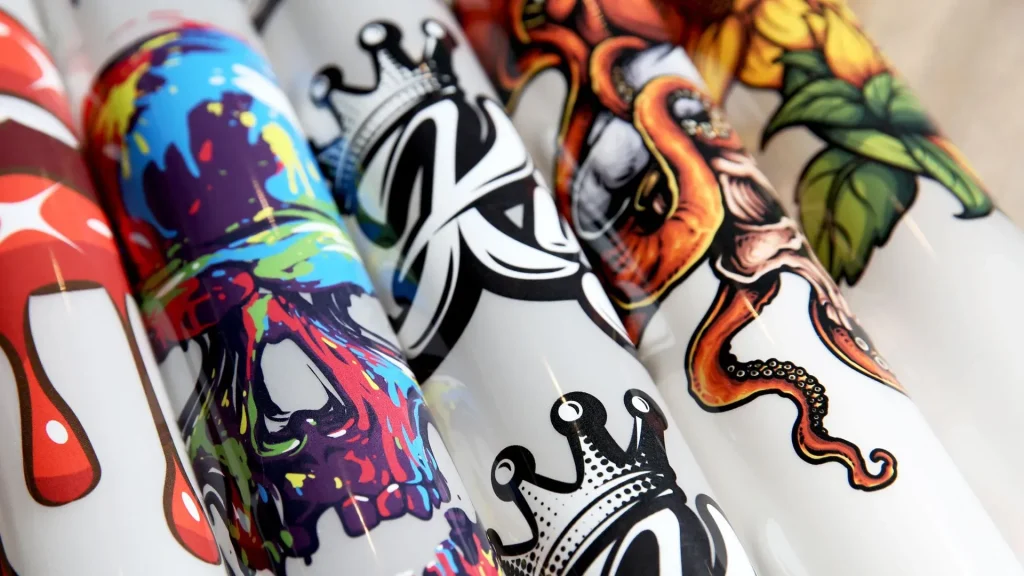
DTF transfers, or Direct to Film transfers, are rapidly gaining recognition in the creative world for their ability to transform artistic designs into striking apparel and custom products. This innovative printing technique offers artists a unique opportunity to showcase their work with vibrant colors and intricate details that were previously difficult to achieve. By understanding DTF printing best practices and implementing effective DTF transfer tips, creators can maximize their designs and ensure they are both visually appealing and durable. As artists continue to embrace the potential of DTF, this guide will explore essential strategies and approaches that will elevate your creative projects to new heights. Dive into the realm of DTF for artists and discover how to bring your artistic vision to life like never before.
Direct to Film (DTF) printing is a groundbreaking method that allows artists to create detailed and colorful designs for various fabrics. Often referred to as DTF technology, this versatile printing process involves transferring high-quality images onto films that can subsequently be applied to materials through heat and pressure. As more creators adopt DTF techniques, understanding the nuances of this method—such as maximizing DTF designs and adhering to effective DTF printing best practices—becomes crucial for anyone looking to excel in custom product design. In this discussion, we’ll delve into significant techniques that help artists achieve optimal results, ensuring their unique styles are captured flawlessly in every print.
Understanding the DTF Printing Process
DTF, or Direct to Film printing, is a technique that involves printing high-resolution designs onto a special film before transferring them onto fabrics. This process allows for a vast array of colors and intricate designs to be applied, emphasizing details that traditional methods may struggle to capture. For artists, it’s crucial to understand that DTF printing isn’t merely about the final product; it’s also about the technology and processes behind it.
Grasping the fundamentals of DTF printing empowers artists to explore new creative realms. Knowledge of the technique can inspire confidence in manipulating various fabrics and achieving unique artistic expressions. As the demand for custom apparel rises, staying informed about DTF printing’s capabilities can set artists apart in a competitive market.
Choosing Quality Inks and Films for DTF Transfers
The materials selected for DTF printing significantly impact the overall quality of the final product. Utilizing high-grade inks and films ensures not only vibrant colors but also durability that withstands time and washing. Artists should seek suppliers who specialize in DTF products, as the right materials can enhance the fidelity of designs and functionality on different materials.
Investing in quality also translates to a better experience for the end customer. Wear and tear, peeling, or fading designs are often results of subpar inks and films. Therefore, aligning with reputable brands and testing different products will lead to discoveries that best suit an artist’s unique style and workflow.
Mastering DTF Design Preparation Techniques
Effective design preparation is the cornerstone of successful DTF printing. Artists should focus on creating designs with transparent backgrounds and saving files in PNG format to maintain their crispness. Additionally, setting a resolution of 300 DPI is crucial for achieving the clarity and detail that characterize professional-quality prints.
By refining the design process, artists minimize unexpected issues during the transfer phase. Paying close attention to these details assures not only a clean transfer but also a replication of the artist’s original vision in the final product, leading to greater satisfaction from both the creator and consumers.
Essential Color Management Techniques for DTF Printing
Color accuracy is paramount in DTF printing, where even slight variations can alter the perception of a design. Artists must adopt color management techniques by utilizing specific color profiles suited for DTF inks and conducting regular test prints to ensure consistency before mass production.
Proficiency in color management not only preserves the integrity of an artist’s original work but also minimizes the chances of costly errors. By meticulously calibrating systems and understanding the nuances of their printing setups, artists can deliver products that closely resonate with their intended outcomes.
Setting the Right Heat Press Settings for DTF Transfers
Achieving the best results with DTF transfers relies heavily on proper heat press settings. Each fabric type carries unique requirements regarding temperature and pressure; thus, following the manufacturer’s guidelines is critical. Overheating can lead to damaged materials, while insufficient heat may result in poor adhesion.
Understanding the dynamics between heat, pressure, and fabric can significantly enhance the quality of the final output. Artists who take the time to calibrate their presses for specific projects tend to produce work that stands up to the rigors of wear and washing, greatly increasing customer satisfaction.
Implementing Quality Control Measures for DTF Products
Quality control plays an essential role in the DTF printing process. To maintain high standards, artists are encouraged to carry out test runs before starting larger batches. This allows for early detection of potential issues, such as ink adhesion or color inaccuracies, ensuring that every item produced meets artistic expectations.
A robust quality control checklist can include variables like color verification and texture checks. By implementing these measures, artists safeguard their reputations while providing consumers with top-notch DTF printed products that embody craftsmanship and durable quality.
Frequently Asked Questions
What are DTF transfers and how do they work?
DTF transfers, or Direct to Film transfers, involve printing high-quality designs onto a special film that can be applied to fabric using heat and pressure. This method allows for vibrant colors and intricate details, making it a popular choice for artists looking to create custom apparel.
What are some best practices for DTF printing?
To ensure successful DTF printing, artists should focus on key practices such as choosing high-quality inks and films, preparing designs properly (using PNG format and 300 DPI resolution), managing colors accurately, and following specific heat press settings for different fabrics.
What tips can help maximize DTF designs?
To maximize DTF designs, consider conducting test prints for color accuracy, maintaining quality control through checklists, and using appropriate artworks with transparent backgrounds. Additionally, understanding your heat press requirements is essential for successful transfers.
How can artists ensure color accuracy in DTF transfers?
Artists can ensure color accuracy in DTF transfers by using color profiles designed for DTF printing and performing test prints to calibrate their printers. This step helps align the prints with the intended design colors, enhancing overall quality.
What heat press settings should be used for DTF transfers?
Heat press settings for DTF transfers vary with fabric types; therefore, artists must always follow the manufacturer’s instructions. Correct heat and pressure settings are crucial to prevent issues like peeling or fading of the designs.
How can artists effectively market their DTF printed products?
Artists can effectively market their DTF printed products by utilizing social media platforms to showcase their designs, listing items on e-commerce sites like Etsy, and participating in community events to engage with potential customers and share their creative stories.
| Key Point | Description |
|---|---|
| Understanding DTF Printing | Learn the basics of DTF technology for better creative application. |
| Choosing Quality Inks and Films | Invest in high-quality inks and films for durability and appearance. |
| Design Preparation | Use transparent backgrounds and save files in PNG format at 300 DPI. |
| Color Management | Use specific color profiles and conduct test prints for consistency. |
| Heat Press Settings | Follow correct settings for different fabric types to avoid issues. |
| Testing and Quality Control | Perform test runs and utilize checklists for quality assurance. |
| Marketing and Selling DTF Products | Use social media and niche platforms to promote and sell your designs. |
Summary
DTF transfers have quickly emerged as a game-changer for artists and designers looking to maximize their creative potential in apparel design. This modern printing technique provides the opportunity to produce high-quality, durable, and vibrant designs on a wide variety of fabrics. By understanding the fundamentals of DTF printing, selecting the best materials, and focusing on meticulous design preparation, artists can greatly enhance their final products. Additionally, effective marketing strategies can further fuel the success of DTF printed items, enabling creators to reach broader audiences and showcase their artistic stories. As technology progresses and eco-friendly options rise, the future of DTF transfers looks promising, allowing creatives to continually evolve and adapt to the ever-changing landscape of custom apparel.

