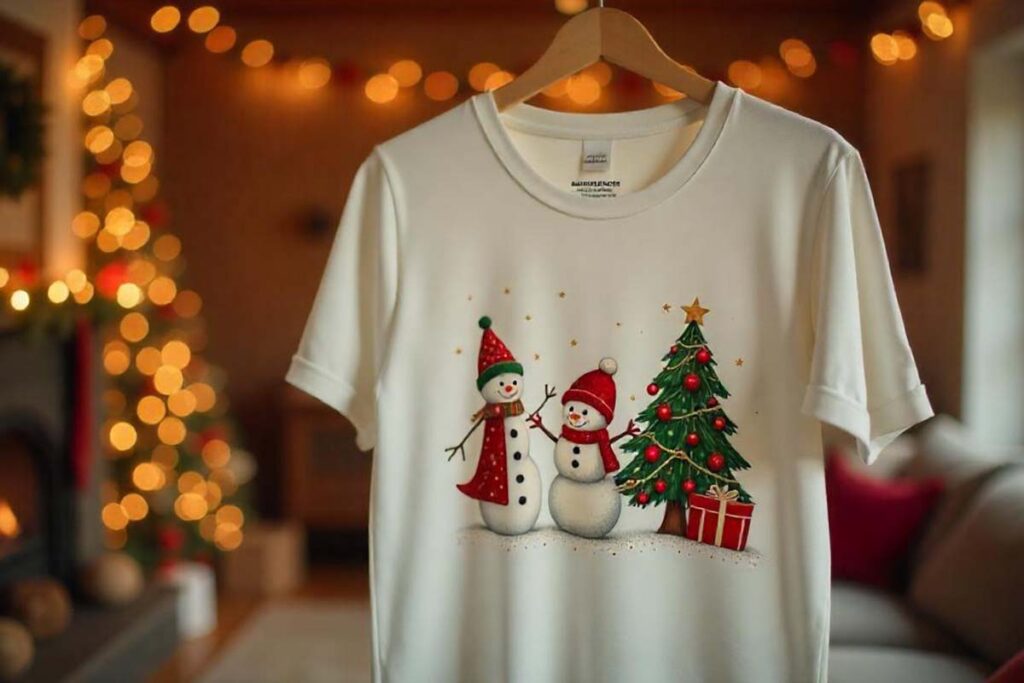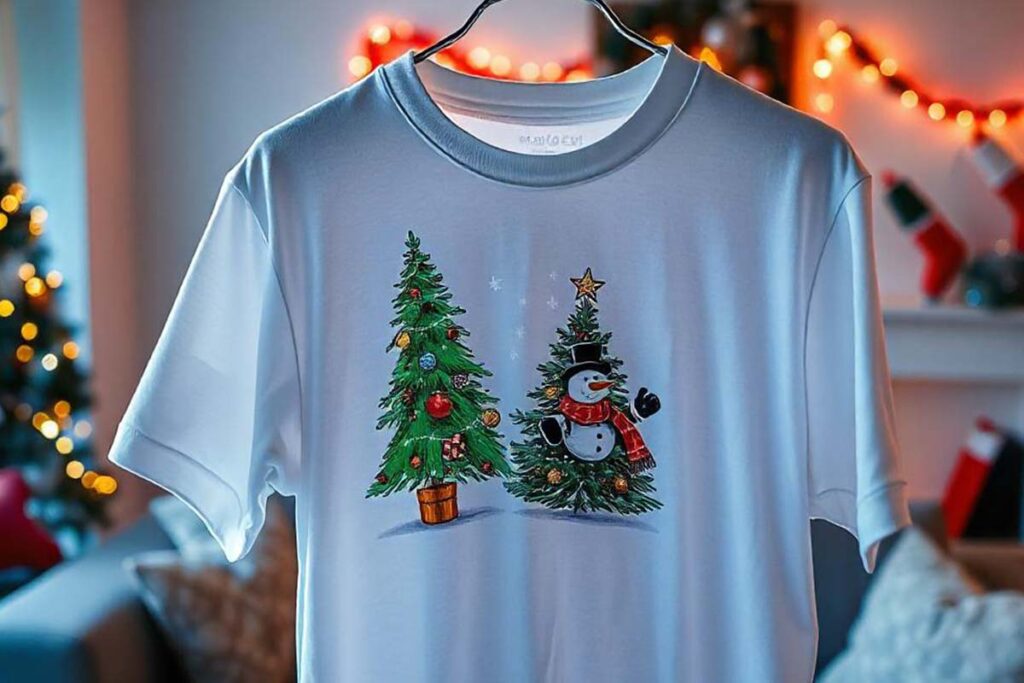
DTF printing techniques have emerged as a groundbreaking force in the custom apparel industry, enabling designers to produce vibrant, intricate designs with agility and precision. As businesses and hobbyists alike seek to create personalized clothing, understanding the nuances of DTF printing is vital for achieving stunning results. This innovative method combines heat transfer printing with advanced graphic design software to ensure every detail pops on fabric. With the right printing equipment, you can easily transform your ideas into wearable art, attracting customers looking for unique apparel. Join us as we delve into the exciting world of DTF printing, exploring the essential techniques and tools to bring your creative visions to life.
Direct-to-Film (DTF) printing has become a transformative technique within the realm of fabric decoration and custom clothing creation. This approach to graphic printing excels in producing vibrant imagery and detailed patterns, setting it apart from traditional methods. Utilizing heat application, DTF printing streamlines the transfer of designs, allowing for more versatility and creativity in apparel. With advancements in printing technology and graphic art tools, it’s never been easier to apply personalized graphics to a variety of textile surfaces. Discover how mastering DTF printing can elevate your artistic expression and business offerings in the dynamic world of custom fashion.
Exploring the Basics of DTF Printing Techniques
Direct-to-Film (DTF) printing is an innovative method that allows for intricate, high-quality designs to be transferred onto a variety of fabrics. By using a specialized inkjet printer, the design gets printed onto a film that is coated with a unique adhesive. Once the design has been printed, heat and pressure are applied to transfer the image onto the fabric, resulting in a vibrant, durable print that captures the essence of the design with remarkable clarity. The versatility of DTF printing makes it a favored choice among designers, as it can be used on various materials from cotton to polyester, and even blends.
One of the standout features of DTF printing techniques is their ability to produce a wide range of colors without the limitations typically associated with screen printing. This method eliminates the need for color separations, allowing designers to create brilliant and bold designs that stand out in the market for custom apparel. Whether you’re aiming for intricate graphics or simple logos, DTF printing can handle it all with finesse.
Essential Equipment for DTF Printing
To get started with DTF printing, having the right equipment is crucial. The primary piece of equipment is, of course, the DTF printer, which is specifically designed to handle the unique inks and films required for this process. These printers are often modified inkjet printers that ensure a high-quality output suitable for commercial needs. Beyond the printer, you’ll also need specialized transfer films, which act as the medium through which your vibrant designs are transferred to fabric.
Additionally, the use of adhesive powder is critical after printing your design. This powder, when sprinkled on while the ink is still wet, binds the ink to the fabric during the heat transfer process. A reliable heat press is also necessary as it applies the required heat and pressure to ensure that the design adheres properly to the garment. Investing in high-quality printing equipment is a foundational step for anyone serious about producing exceptional results in DTF printing.
Designing Eye-Catching Custom Apparel
Creating stunning designs for DTF printing starts with the use of graphic design software, such as Adobe Illustrator or CorelDRAW. By utilizing these powerful tools, designers can create high-resolution graphics that maintain their quality, even when resized. Strong color management practices are also essential, as the color profiles must be adjusted to ensure that the printed designs are vibrant and true to the original concept. Incorporating a mix of textures and layers can further enhance the visual appeal of custom apparel.
Experimenting with different design elements also allows for greater creativity and originality. For instance, layering materials can create interesting textures that add depth to the garment. Designers are encouraged to explore various artistic styles and techniques, such as gradients and patterns, to make their designs pop on the shelf. This approach not only makes the apparel visually appealing but also sets products apart in a competitive market.
The Step-by-Step DTF Printing Process
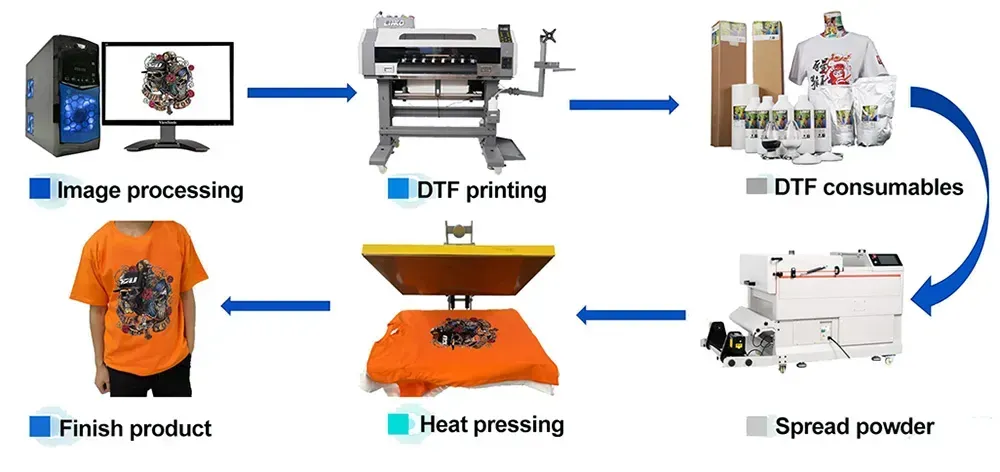
The DTF printing process is a multi-step affair that begins with printing the design onto a specially coated transfer film. It’s imperative that the adhesive powder is applied while the ink is still wet, as this ensures proper bonding of the design to the fabric. The curing step follows, where heat is used to activate the adhesive powder, making it ready for application to garments.
The final step is the heat transfer, which is done using a heat press machine. Keeping a close eye on temperature and pressure settings is crucial during this stage, as improper application can lead to poor adhesion or damage to the fabric. When executed correctly, this process allows for stunning, long-lasting prints that uphold the integrity of the original design, marking a significant advantage of modern printing techniques over more traditional methods.
Emerging Trends in DTF Printing
As the custom apparel industry continues to evolve, DTF printing is at the forefront of several emerging trends. One notable trend is the shift towards sustainable and eco-friendly practices. Many fabric and ink manufacturers are now offering biodegradable and non-toxic materials, appealing to a growing audience that prioritizes environmental responsibility in their purchasing decisions. Switching to eco-friendly options not only helps protect the planet but also enhances the brand image.
Increased customization is another trend that businesses are leveraging through DTF printing. With the demand for personalized designs on the rise, companies can now offer unique products tailored to individual customer preferences. This capability enables brands to capture a broader customer base while solidifying loyalty among their clientele, providing a strategic advantage in a saturated market.
Overcoming Challenges in DTF Printing
Despite its advantages, DTF printing comes with its own set of challenges. One significant issue is achieving consistent adhesion across different fabric types. This aspect requires careful consideration and a deep understanding of both materials and equipment. Different fabrics can have varied properties, which can impact how ink and adhesive interact, making it essential for printers to fine-tune their processes accordingly.
Another common challenge is the variability in curing times required for different fabric materials. Printers must familiarize themselves with the specific requirements of the fabrics they are working with to avoid inconsistent results. This attention to detail ensures that every print achieves the desired quality, helping to mitigate frustrations and enhancing overall product satisfaction.
Frequently Asked Questions
What are DTF printing techniques and how do they work?
DTF printing techniques involve transferring vibrant, high-quality designs onto fabrics using a specialized DTF printer and transfer films. This process includes printing the design onto a film, applying adhesive powder while the ink is wet, and then using a heat press to transfer the design onto the garment, resulting in durable and colorful custom apparel.
What equipment is needed for effective DTF printing?
To implement DTF printing techniques successfully, you will need a DTF printer, compatible transfer film, adhesive powder, and a heat press. Each piece of equipment plays a crucial role in ensuring that the vibrant designs are effectively transferred to various fabric types without compromising quality.
Can graphic design software enhance my DTF printing outcomes?
Yes, using graphic design software, such as Adobe Illustrator or Photoshop, can significantly improve your DTF printing results. These tools allow you to create high-resolution images and adjust colors effectively, ensuring that your custom apparel features vibrant designs that stand out.
What are the advantages of using DTF printing for custom apparel?
DTF printing offers numerous advantages for custom apparel, including the ability to produce vibrant designs with a broad color range, the capability to print intricate details without the need for color separations, and compatibility with various fabric types, making it an ideal choice for personalized clothing.
How does the heat transfer printing process work in DTF?
In DTF heat transfer printing, the design is first printed on a transfer film with adhesive. After curing the adhesive, the design is applied to the garment using a heat press, which utilizes heat and pressure to ensure a strong bond, allowing the vibrant design to permanently adhere to the fabric.
What challenges should I consider when using DTF printing techniques?
When using DTF printing techniques, challenges may include achieving consistent adhesion across different fabric types and understanding the varying curing times required for different materials. Mastering these aspects is essential for delivering high-quality, vibrant designs in your custom apparel.
| Key Points | |
|---|---|
| DTF Printing Introduction | Revolutionizes the custom apparel industry with high-quality, vibrant designs. |
| Required Equipment | Includes a DTF printer, transfer film, adhesive powder, and heat press. |
| Designing Principles | Utilize high-resolution images and experiment with textures to enhance designs. |
| Printing Process Steps | Involves printing on film, curing adhesive, and heat transferring to fabric. |
| Trends in DTF Printing | Focus on eco-friendly inks and increased customization for unique designs. |
| Challenges in DTF Printing | Includes ensuring consistent adhesion and managing curing variability across fabrics. |
Summary
DTF printing techniques offer a revolutionary approach to creating stunning designs in the custom apparel sector. This innovative printing method allows for the production of high-quality, vibrant images on various fabric types, ensuring that designers can bring their creative visions to life. With essential equipment like specialized printers, transfer films, and heat presses, the DTF process enables an artistically satisfying experience. In addition, DTF printing emphasizes the importance of utilizing high-resolution graphics and experimenting with layering to create unique textures. As trends evolve towards sustainable practices and increased customization, mastering DTF printing techniques becomes essential for artists and businesses alike. By embracing these techniques, you can successfully elevate your apparel designs and stand out in the fast-growing market of personalized apparel.