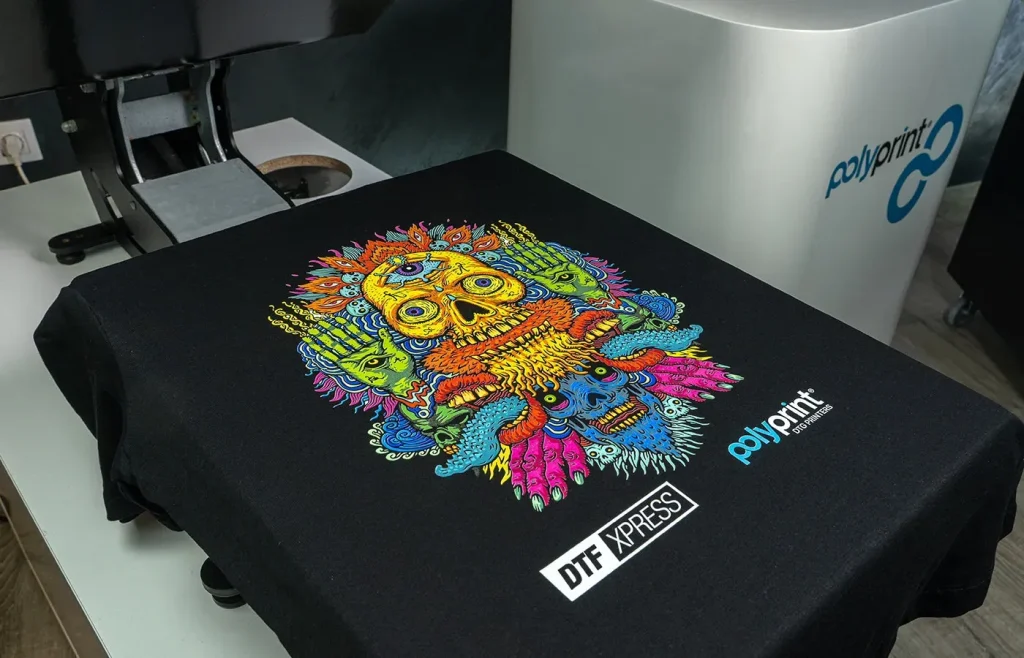
If you’ve ever thought about diving into the world of custom apparel printing, you may have come across the term DTF printing. Standing for Direct to Film printing, this innovative method has rapidly captured the attention of both hobbyists and small business owners alike, thanks to its ability to create high-quality, durable designs. The process involves a DTF printer that prints vibrant graphics onto a specialized DTF transfer film, which is then adhered to fabric using a heat press for DTF. Combining the benefits of traditional screen printing and modern digital methods, DTF printing allows for incredible versatility on various fabrics, including cotton and polyester. As you delve into the details of this exciting technique, you’ll discover how DTF adhesive powder and the right tools can help you unlock endless creative possibilities in custom textiles.
Exploring custom apparel production has never been more exciting, especially with the advent of Direct to Film (DTF) technology. This printing technique utilizes a dedicated DTF printer to apply graphics onto transfer films, which can then be transferred onto different garment materials. By using a heat press specifically designed for DTF applications, creators can achieve striking designs that hold up over time. The use of DTF adhesive powder enhances the adherence of the graphics to the fabric, ensuring longevity and quality. With its ability to produce vivid prints on both light and dark fabrics, this modern printing method opens new avenues for personalization and creativity in the fashion industry.
The Essentials of DTF Printing Materials
To embark on your DTF printing journey, it is imperative to understand the key materials involved. The DTF printer is fundamentally different from traditional inkjet or laser printers, as it is specifically designed to work with transfer films. This ensures that the designs you print are vibrant and long-lasting. Alongside a suitable printer, DTF transfer film is vital—it is specially coated to allow the ink to adhere effectively, providing a smooth and high-quality finish on various fabrics.
Another crucial material is the DTF adhesive powder, which plays a pivotal role in the adhesion process. This powder is applied right after printing to ensure that the ink bonds with the fabric during the heat transfer process. Moreover, a reliable heat press for DTF printing is essential as it not only transfers the design but also helps cure the adhesive powder, ensuring durability. Together, these materials create a strong foundation for successful DTF printing.
Step-by-Step Guide to Achieving Quality Prints
Beginning your DTF printing involves a thoughtful approach, starting with design preparation. Utilize graphic design software to create or refine your artwork, ensuring that it is in CMYK color mode. This is crucial for achieving accurate color representation when printed. High-resolution images are a must, as they ensure that the intricate details of your design come through in the final print. The quality of your design will reflect in the end product, making this step indispensable.
Once your design is prepared, the printing process can commence. Insert the DTF transfer film into your specialized printer, ensuring it is aligned correctly. Print directly onto the film while optimizing settings for DTF, as this will influence the ink’s adherence and vibrancy. After printing, the application of DTF adhesive powder is the next significant step. This powder should be generously sprinkled over the wet ink to ensure a strong bond when transferring to fabric. The process is cumulative; each step builds upon the last to create a stunning final product.
Understanding the Curing Process in DTF Printing
Curing is a critical phase in the DTF printing process that cannot be overlooked. This step involves using a heat source, whether through a conveyor oven or a heat press, to melt the DTF adhesive powder. The process not only helps bond the powder to the ink but also ensures that the design is durable and can withstand multiple washes. Incorrect curing can lead to poor adhesion and a subpar finished product, which is why precise temperature controls are vital during this stage.
The curing temperature typically ranges between 300-330°F (150-165°C). This heat activates the adhesive properties, forming a robust bond with the fabric once pressure is applied. It is important to follow the recommended time of 10-15 seconds, as under-curing or over-curing can damage the design. It’s essential to let the cured film cool slightly before peeling it away, which will reveal a well-formed, high-quality print that’s ready for wear.
Exploring DTF Printing Benefits
DTF printing brings numerous advantages to the forefront of custom garment printing. One of the most notable benefits is its versatility; this technique can be used on various fabric types, including cotton, polyester, and blends, making it ideal for creating unique apparel for all sorts of occasions. Additionally, the DTF printing process allows for a wider color spectrum, enabling vibrant and detailed designs that accurately reflect the original digital artwork.
Furthermore, DTF prints are known for their durability, resisting cracking and fading over time. This durability is largely attributed to the combination of high-quality inks and the robust bonding inherent in the adhesive powder. As the market for custom apparel continues to expand, the ability to produce consistent, high-quality prints makes DTF printing a desirable option for businesses and hobbyists alike. The growing reputation of DTF in the industry is a testament to its effectiveness and potential for future innovations.
Common Challenges with DTF Printing and Solutions
While DTF printing boasts myriad benefits, it’s not without its challenges. New users may encounter difficulties with the printing process, particularly ensuring that the transfer film is correctly aligned and that the DTF adhesive powder is applied sufficiently. Another common issue arises during the curing process where improper temperature or timing can affect the quality of the print. These challenges often lead to frustration, especially for those just starting in the world of printing.
To overcome these obstacles, it’s advisable to meticulously follow the step-by-step guidelines provided in resources like this one. Investing time in perfecting the printing and curing stages pays off significantly in the quality of the final product. Additionally, utilizing community resources, such as online forums and tutorials, can provide valuable insights and troubleshooting tips. Engaging with experienced operators can accelerate the learning curve, leading to better-functioning processes.
The Future of DTF Printing Technology
As technology advances, the field of DTF printing is poised for exciting developments. Innovations in DTF printers and materials, such as eco-friendly inks and more durable transfer films, are on the horizon. These enhancements not only aim to improve print quality and efficiency but also respond to a growing demand for sustainability in printing practices. Keeping abreast of these changes is essential for anyone involved in custom apparel production.
Additionally, with the increase in consumer interest in personalized apparel, DTF printing’s ability to adapt and innovate will play a crucial role in shaping the future of the industry. Industry leaders and blogs such as *Ink World* often highlight these advancements, providing insights on how to effectively leverage new technologies. By staying informed, printers can continuously refine their processes and maintain a competitive edge in the market, ensuring long-term success.
Frequently Asked Questions
What is DTF printing and how does it work?
DTF printing, or Direct-to-Film printing, is a modern printing technique where designs are printed onto a specialized transfer film and adhered to fabric using heat. This method combines digital precision with versatility, allowing prints on various materials like cotton and polyester.
What equipment do I need for DTF printing?
To start DTF printing, you’ll need a DTF printer, DTF transfer film, DTF adhesive powder, and a heat press for DTF applications. These tools work together to create high-quality prints that bond effectively to textiles.
Can I use a regular printer for DTF printing?
No, a regular printer cannot be used for DTF printing; you need a specialized DTF printer designed to handle the unique transfer films and pigment inks required for this process.
What types of fabrics can be used with DTF printing?
DTF printing can be applied to a wide range of fabrics, including cotton, polyester, and blends. This versatility makes it suitable for various garments, including t-shirts, hoodies, and bags.
How do I properly use a heat press for DTF printing?
When using a heat press for DTF printing, set the temperature between 300-330°F (150-165°C), place the DTF transfer film on the fabric, and press down firmly for about 10-15 seconds to ensure a strong bond between the print and fabric.
What is DTF adhesive powder and why is it important?
DTF adhesive powder is a hot-melt adhesive used in the DTF printing process to bond the printed design to the fabric. Applying this powder right after printing is crucial for achieving durable and vibrant prints.
| Key Point | Description |
|---|---|
| What is DTF Printing? | DTF Printing, or Direct-to-Film printing, is a method that prints designs onto transfer films, which are then applied to fabrics using heat. |
| Materials Needed | Essential materials include a DTF printer, transfer film, DTF adhesive powder, and a heat press. |
| Step-by-Step Process | The DTF printing process includes design preparation, printing, applying adhesive powder, curing, transferring to fabric, and peeling the film. |
| Recent Developments | DTF technology is evolving with improvements in eco-friendly inks and higher resolution printers, catering to the customization demand. |
Summary
DTF Printing is an innovative approach that combines the best of both digital and screen printing, making it an excellent choice for custom apparel enthusiasts. Utilizing high-quality transfer film, adhesive powders, and heat presses, this versatile technique allows for vibrant designs on a wide range of fabrics. As you venture into DTF printing, remember to gather the right materials, follow the step-by-step process meticulously, and stay informed on the latest advancements in technology. The journey of mastering DTF printing not only unleashes creative potential but also opens up exciting opportunities in the world of personalized fashion.