DTF printing, short for Direct-to-Film printing, is revolutionizing the fashion industry by blending innovation with sustainability. This cutting-edge technology enables designers to create intricate and vibrant prints on fabric, catering to the rising demand for custom apparel. As a result, DTF printing stands at the forefront of fashion technology trends, driving more eco-friendly printing methods that reduce waste. By simplifying the production process, this technique not only enhances efficiency but also supports the growth of sustainable fashion. In this article, we will delve into how DTF printing is transforming the landscape of apparel design, making it greener and more personalized than ever before.
Known variously as direct-to-film printing or DTF, this printing method is paving the way for a new era in custom clothing production. By utilizing innovative techniques that transfer high-quality images onto fabric, DTF is gaining traction among fashion designers who prioritize both creativity and sustainability. As the industry shifts towards eco-friendly practices, this approach aligns with the broader goal of minimizing environmental impact while still catering to consumer desires for unique designs. The rise of direct-to-film printing reflects a growing trend in fashion technology, where personalized and sustainable solutions become paramount in meeting the needs of today’s conscious shoppers. Join us as we discover the multifaceted benefits of DTF printing in redefining modern apparel.
Understanding the Mechanics of DTF Printing
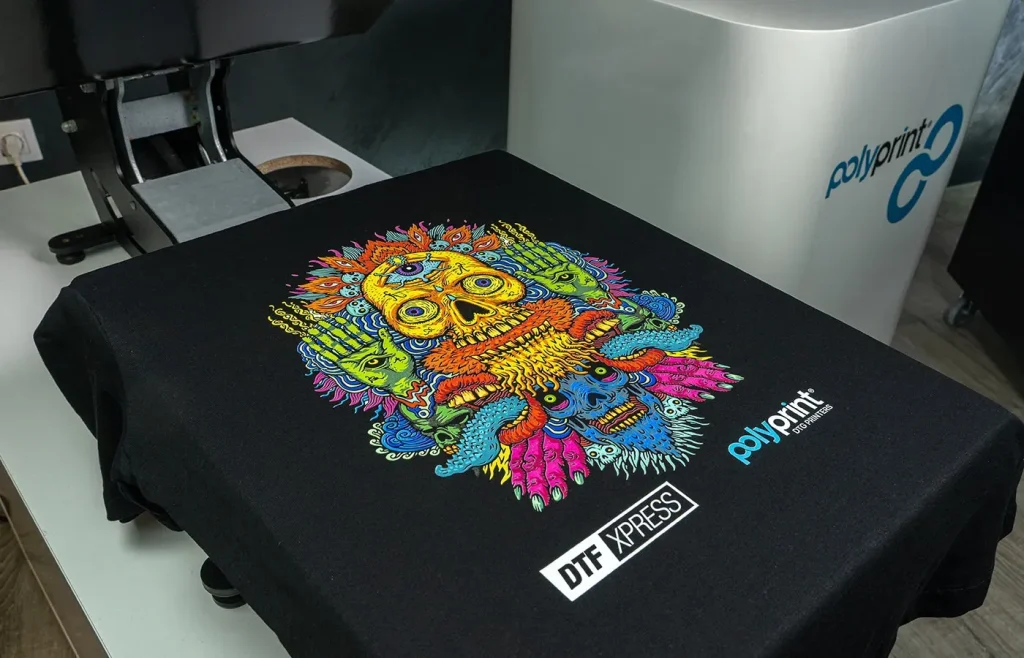
Direct-to-Film (DTF) printing is a sophisticated technique that has redefined how apparel and accessories are produced. The process begins with a specialized printer that transfers ink onto a film, which is then used to print vibrant images on various fabrics. This method employs a unique adhesive powder that bonds the design to the clothing when heat is applied, ensuring longevity and clarity in the prints. Unlike conventional methods, DTF printing is not limited by fabric type, allowing designers to explore a wider range of materials without compromising the quality of their designs.
This versatility is particularly beneficial for small businesses and independent creators who can now offer customized apparel with intricate designs that stand out in a competitive market. DTF printing facilitates rapid prototyping, enabling designers to test ideas and gather consumer feedback quickly. This immediate access to unique design options not only enhances creative expression but also aligns with consumer trends leaning towards individuality and customization in fashion.
The Rise of Custom Apparel in the DTF Era
As consumer preferences shift towards personalized experiences, custom apparel is becoming increasingly popular in the fashion industry. DTF printing has emerged as a game changer, allowing brands to produce small batches of tailored clothing efficiently. The technology supports a variety of designs and color schemes, catering to the unique tastes of customers, from vibrant graphics to delicate prints. This capability empowers fashion startups and established brands alike to meet the growing demand for bespoke clothing, reflecting personal identity and style.
Moreover, the accessibility of DTF printing technology has leveled the playing field for independent designers who might not have the resources for large-scale production. With the ability to quickly turn around custom orders, these creators can engage directly with their audience, fostering a community around their brand. This shift not only cultivates loyalty among consumers but also encourages experimentation and innovation within the fashion landscape.
DTF Printing’s Role in Sustainable Fashion
Sustainability is becoming increasingly central to consumers’ purchasing decisions, and DTF printing offers a more eco-friendly alternative to traditional printing methods. Conventional techniques often involve toxic inks and excessive waste, which contribute to environmental degradation. In contrast, DTF printing minimizes waste through its precise use of materials and allows for the use of water-based inks, reducing harmful discharges. This method aligns perfectly with the goals of sustainable fashion, appealing to eco-conscious consumers who prioritize brands that are committed to minimizing their environmental impact.
By adopting DTF printing, brands can significantly lower their carbon footprint while still delivering high-quality, custom-designed apparel. The ability to print on demand also means that retailers can reduce overproduction, a significant issue in the fast-fashion industry. This efficient production model fosters a more sustainable ecosystem, enabling fashion brands to align with modern values centered around environmental responsibility while still meeting consumer expectations for stylish and personalized products.
Fashion Technology Trends Emphasizing DTF Printing
The integration of DTF printing into the fashion sector is part of a broader trend towards innovative technology in clothing production. Brands are increasingly leveraging advancements in digital printing and fabric technology to enhance operational efficiency and product offerings. DTF printing exemplifies how cutting-edge technology can transform traditional manufacturing processes, allowing for rapid production cycles that respond to market trends swiftly. As a result, fashion companies can maintain agility in product releases, catering to ever-evolving consumer preferences.
By embracing these fashion technology trends, brands can position themselves at the forefront of the industry, creating unique, limited-edition collections that are demonstrated to resonate with targeted demographics. Furthermore, the implementation of technology-driven solutions supports the move away from the conventional inventory model, promoting a strategy that prioritizes quality and consumer engagement over sheer quantity.
The Impact of DTF Printing on Fashion Startups
DTF printing is particularly beneficial for fashion startups looking to carve out their niche within the competitive landscape. The cost-effectiveness of this technology lowers the barrier to entry for new brands, enabling them to produce high-quality, custom apparel without extensive initial investment. Startups can experiment with designs and materials, responding directly to consumer feedback without the risk of financial loss associated with large production runs.
Additionally, DTF printing fosters creativity among emerging designers by providing the tools necessary to bring their visions to life. As more startups adopt this printing method, the market becomes infused with a diverse array of unique products, enriching the overall fashion experience for consumers. This empowerment of new talent not only challenges the status quo but also drives innovation within the industry, paving the way for future advancements.
Future Developments in DTF Technology
The future of DTF printing looks promising, with ongoing innovations expected to enhance its capabilities further. Advancements in printing technology, such as faster production speeds and more diverse material compatibility, are paving the way for even greater integration within the fashion industry. As companies continue to explore this frontier, we may see the development of new inks that offer even more vibrant colors and durability, expanding the potential of DTF printing beyond what is currently possible.
Moreover, emerging trends in artificial intelligence and machine learning are likely to play a role in streamlining the design process, allowing for rapid creation and automation of design iterations. This future evolution of DTF technology could revolutionize how fashion brands approach design and production, ultimately leading to highly customized offerings that resonate with today’s discerning consumers.
Frequently Asked Questions
What is DTF printing and how does it work?
DTF printing, or Direct-to-Film printing, is a modern technique used to transfer images from a specially coated film onto fabric using heat and pressure. This process bonds the ink to the material, resulting in vibrant and durable prints suitable for a range of textiles.
How does DTF printing contribute to sustainable fashion practices?
DTF printing contributes to sustainable fashion by reducing waste, minimizing harmful chemical usage, and allowing for on-demand production. This eco-friendly printing approach aligns with industry efforts to adopt greener practices and cater to environmentally conscious consumers.
What are the advantages of using DTF printing for custom apparel?
DTF printing offers several advantages for custom apparel, including high-quality, high-resolution prints, the ability to create intricate designs quickly, and cost-effectiveness compared to traditional methods. This makes it an ideal choice for brands looking to provide personalized fashion items.
Is DTF printing suitable for all fabric types?
Yes, DTF printing is versatile and can be used on a variety of fabric types, including cotton, polyester, and blends. This flexibility allows designers to explore different materials and create unique designs across diverse apparel lines, enhancing their offerings in fashion technology trends.
How is DTF printing changing the landscape of fast fashion?
DTF printing is reshaping the fast fashion model by enabling brands to produce limited-edition designs on demand, thus reducing excess inventory and waste. This shift towards personalization and sustainable production methods reflects growing consumer demands for eco-friendly fashion choices.
What technological advancements are influencing DTF printing?
Recent technological advancements in DTF printing include the development of improved inks and films that enhance print quality and durability. These innovations allow designers to create long-lasting fashion items with intricate details, pushing the boundaries of what is possible in contemporary fashion design.
| Key Point | Description |
|---|---|
| What is DTF Printing? | A modern printing method transferring images from a film onto fabric using heat, allowing for vibrant, high-resolution prints suitable for various types of fabrics. |
| Growing Popularity in Fashion | The versatility of DTF printing allows for rapid production of bespoke designs, meeting consumer demand for personalized clothing while reducing costs and time. |
| Sustainability Factors | DTF printing minimizes harmful substances and waste, making it a more eco-friendly alternative in a fashion industry focused on sustainability. |
| Technological Advancements | Continuous improvements in inks and films enhance DTF printing’s quality and durability, allowing designers to create long-lasting and detailed products. |
| Case Studies and Industry Impact | Fashion brands are leveraging DTF printing for custom designs and rapid responses to market trends, democratizing fashion design for startups and small businesses. |
| Recent Developments | Big-name brands are experimenting with on-demand printing to produce limited-edition collections, reshaping the traditional fast fashion model. |
Summary
DTF printing is fundamentally transforming the fashion industry by streamlining production processes, enhancing customization, and promoting sustainable practices. This innovative technique has gained traction among fashion designers and brands alike, as it empowers them to create intricate, vibrant designs quickly and affordably. As the demand for personalized and eco-friendly apparel continues to grow, DTF printing stands at the forefront, allowing both established and emerging brands to respond effectively to consumer needs. Looking forward, it’s clear that DTF printing is not only revolutionizing how garments are produced but also setting the stage for a more sustainable future in fashion.