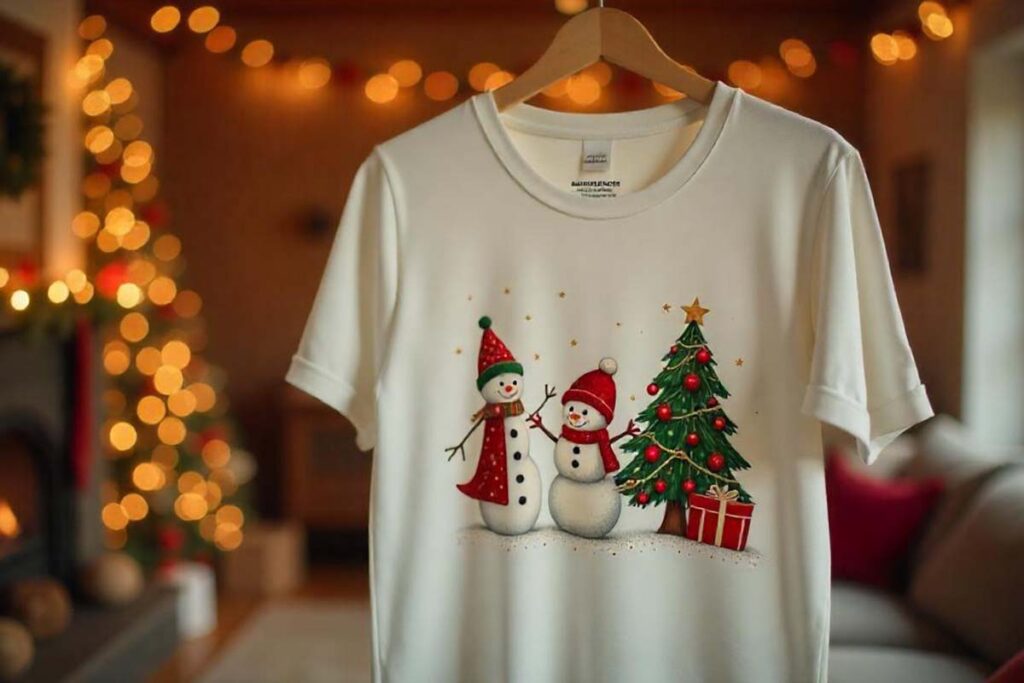

DTF printing, standing for Direct-to-Film printing, has emerged as a groundbreaking technique that is revolutionizing the textile industry. As we enter 2023, this innovative printing method is capturing the attention of businesses and creators alike due to its efficiency and high-quality output. The benefits of DTF printing are numerous, offering an economical solution with the flexibility to print on various fabrics, making it ideal for customized apparel. As more companies embrace this advanced technology, they are unlocking new opportunities in creativity and production speed, allowing them to respond quickly to market demands. In this article, we will delve into the factors driving the rise of DTF printing and its transformative impact on the printing landscape.
Exploring the fascinating world of Direct-to-Film (DTF) production unveils an array of modern solutions tailored to meet the needs of today’s businesses. With its rapid growth, this printing method is quickly becoming a favorite among those who require reliable and vibrant fabric printing. Alternative terms you might hear alongside DTF printing include direct film transfer technology and heat-pressed graphic printing, both reflecting the variety of applications within this exciting field. As the demand for personalized products rises, the advantages of DTF printing technology shine even brighter, supporting entrepreneurs in expanding their service offerings. In this discussion, we’ll evaluate how the advantages of DTF printing are reshaping the market and enable businesses to thrive.
Understanding DTF Printing Technology
Direct-to-Film (DTF) printing is a distinctive process that has transformed the way we think about printing on textiles. Unlike traditional methods, DTF printing utilizes heat to transfer designs printed on specialized film directly to fabric. This extraordinary technique facilitates the creation of vibrant graphics that adhere remarkably well to various material types, from cotton to polyester blends, making it a go-to choice for fashion brands and businesses aiming for striking visuals in their product line.
The technology behind DTF printing has evolved significantly, integrating advanced inks and sophisticated machinery that optimize print accuracy and color fidelity. This enhances not only the vibrancy of the final output but also the durability of prints over time. As businesses invest in DTF technologies, they gain the ability to produce high-quality prints quickly and efficiently, streamlining their operations to meet the demands of a fast-paced market.
Benefits of DTF Printing for Businesses
One of the most compelling benefits of DTF printing for businesses is its cost-effectiveness. It eliminates many of the initial setup costs associated with screen printing, making it an invaluable option for startups and small printing ventures. With DTF, companies can undertake short runs and still achieve high-quality results without a hefty financial commitment. This flexibility allows businesses to test new designs or products without the risks often associated with traditional printing methods.
In addition to its affordability, DTF printing provides remarkable versatility in terms of material compatibility. This means businesses can create a wide spectrum of products, from custom apparel to personalized promotional items. As market demands for unique and customized products continue to rise, DTF printing positions itself perfectly to serve these needs, empowering businesses to establish a stronger brand presence through tailored offerings.
The Versatility of DTF Printing Across Fabrics
DTF printing’s versatility is one of its key assets, allowing it to cater to an extensive range of fabrics and materials. While traditional printing methods might limit options to certain types of textiles, DTF can seamlessly print on fibers as diverse as cotton, polyester, and even nylon. This capacity opens the door for businesses to explore an array of product possibilities, enabling them to create everything from casual wear to high-end fashion items.
Furthermore, DTF printing allows for intricate designs and fine details, which are essential for fashion brands striving for quality and uniqueness. By embracing this technology, businesses can produce eye-catching apparel with complex graphics that resonate with their target audience. This flexibility not only boosts creativity but also enhances customer satisfaction, as clients increasingly seek personalized and distinctive products.
High-Quality Results with DTF Printing
The quality of prints produced by DTF technology is another compelling reason for its growing popularity. DTF printing is renowned for delivering visually striking colors and precise detail, setting it apart from other methods like Direct-to-Garment (DTG) printing. Customers appreciate the long-lasting durability of DTF prints, which remain vibrant and intact even after multiple washes, enhancing the value of products for consumers.
Moreover, the ability of DTF printing to create sharp and detailed images maximizes brand presentation. Businesses can leverage this quality to enhance their market appeal, making memorable impressions on customers. As companies continue to prioritize excellence in their product offerings, the demand for high-quality DTF prints is poised to rise, further solidifying its place in the competitive printing landscape.
Speed of Production: An Essential Factor for DTF Printing
In an era characterized by fast fashion and instant gratification, the speed of production afforded by DTF printing is incredibly advantageous. This technology allows for rapid setup times and efficient processing, enabling businesses to produce printed goods in record time. The swift turnarounds facilitated by DTF printing help companies meet consumer demands without sacrificing quality, an essential element in maintaining competitiveness in today’s market.
Furthermore, the quick production capabilities of DTF printing empower businesses to respond dynamically to trends and customer preferences. Whether it’s creating limited-edition designs or fulfilling last-minute orders, DTF printing provides the agility that companies need to thrive in a rapidly changing environment. This element of speed not only enhances operational efficiency but also significantly improves customer satisfaction, as clients value timely delivery of their personalized products.
Challenges and Limitations of DTF Printing in 2023
Despite its numerous advantages, DTF printing does present some challenges and limitations that businesses should consider. One major hurdle is the initial investment required for high-quality printers and materials. For many startups and small businesses, the costs can be prohibitive, potentially hindering their ability to adopt this technology early on. Companies must weigh the financial implications against the long-term benefits offered by DTF.
Additionally, variability in print quality can arise depending on the specific films and inks employed. The success of DTF printing heavily relies on the quality of the materials used, making the selection of reliable suppliers crucial for achieving the best results. Therefore, businesses venturing into DTF printing must also invest time and resources in developing a well-rounded understanding of the technology and its components to mitigate potential pitfalls.
Frequently Asked Questions
What are the main benefits of DTF printing?
DTF printing, or Direct-To-Film printing, offers multiple benefits including cost-effectiveness, versatility across various materials, and high-quality results. Its ability to print on diverse fabrics makes it ideal for businesses looking to expand their product offerings while maintaining excellent print quality and durability.
How does DTF printing compare to traditional methods?
DTF printing stands out against traditional methods like screen printing due to lower setup costs and quicker turnaround times. Unlike these conventional techniques, DTF allows for small to medium print runs without extensive pre-press expenses, making it perfect for smaller businesses.
Is DTF printing suitable for all types of fabrics?
Yes, DTF printing is highly versatile and can be used on a wide range of fabrics, including cotton, polyester, and blends. This flexibility allows businesses to create various products, from garments to promotional items, catering to different market demands.
What technological advancements are driving DTF printing’s popularity?
Recent advancements in DTF printing technology include improved inks and machinery, enhancing print quality and production efficiency. These innovations make DTF printing an appealing option for businesses aiming to achieve high-quality outputs while optimizing their operational capabilities.
Can businesses benefit from using DTF printing technology?
Absolutely! DTF printing technology provides businesses with cost-effective solutions for high-quality printing, versatile applications, and faster production speeds. It’s particularly beneficial for companies looking to offer customized products while fulfilling market demands efficiently.
What challenges might businesses face when adopting DTF printing?
While DTF printing presents significant advantages, challenges exist such as the initial investment in quality equipment and potential variations in print quality based on the materials used. Businesses must choose reliable suppliers and assess their budget to navigate these hurdles effectively.
| Key Factor | Description |
|---|---|
| Cost-Effectiveness | DTF printing is an affordable alternative to screen printing, especially for small to medium runs, making it ideal for startups and small businesses. |
| Versatility Across Materials | DTF can print on diverse fabrics like cotton and polyester, allowing businesses to create a wide range of products. |
| High-Quality Results | DTF offers vibrant colors and durability, often outperforming other methods in quality and washability. |
| Speed of Production | DTF technology allows for quick setups and faster production times, crucial for meeting consumer demands. |
| Technological Advancements | Innovations in DTF inks and machinery enhance print quality and efficiency, making it a strategic choice for growth. |
Summary
DTF Printing is rapidly gaining traction in 2023 due to its unique blend of affordability, versatility, and superior quality results. As businesses increasingly embrace this innovative printing method, it becomes evident that DTF is not just a passing trend but a significant player in the textile printing industry. The ability to swiftly produce high-quality prints on a variety of fabrics positions DTF printing as a strategic choice for companies aiming to meet modern consumer demands. Moreover, continuous advancements in technology promise to make DTF printing even more accessible and efficient, opening up exciting opportunities for customization and market expansion. As the popularity of DTF grows, it is essential for businesses to consider integrating this dynamic printing solution into their operations.