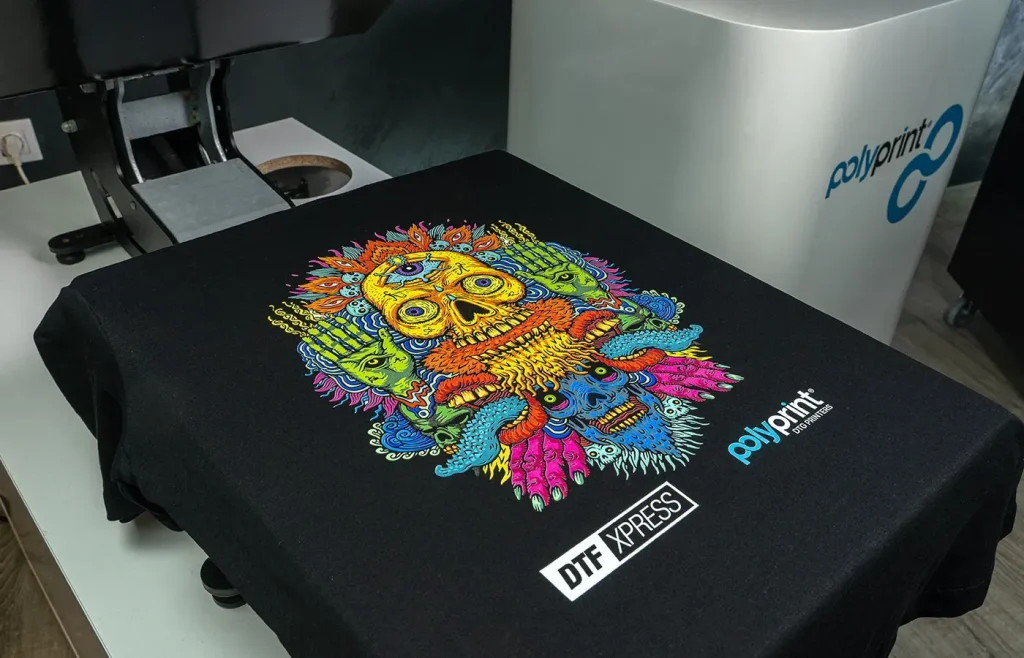
DTF printing, or Direct-to-Film printing, has revolutionized the world of textile printing, offering a seamless solution for custom apparel creation. This innovative printing technique transfers vibrant inks directly onto specially coated films, which are then heat pressed onto various fabrics. Not only does DTF printing allow for intricate designs and striking color palettes, but it also brings with it numerous DTF printing advantages, such as reduced setup costs and versatility across different materials. As the demand for personalized apparel grows, embracing Direct-to-Film printing positions businesses to meet consumer needs effectively. Dive into the details of this cutting-edge approach, and discover how it can transform your textile printing endeavors.
Direct-to-Film printing represents a groundbreaking method in the textile revolution, allowing for the direct application of designs onto fabrics with exceptional clarity and vibrancy. This approach leverages film as a medium, enabling creative flexibility and precision in customizing apparel for various occasions. With the surge of interest in the direct film technique, businesses and individuals alike are exploring the myriad of benefits it presents, including cost efficiency and high-quality output. Whether you refer to it as DTF or simply direct-to-film, this innovative technique is redefining how we think about fabric printing. Embrace this advanced printing method to elevate your design projects and attract customers craving unique textile products.
Understanding the Basics of DTF Printing
DTF printing, or Direct-to-Film printing, is revolutionizing how designs are transferred onto fabrics. This innovative process combines advanced inkjet technology with a unique film transfer method, making it a versatile option for a range of textile applications. By using pigment inks, DTF printing not only ensures vibrant colors but also achieves intricate detail, allowing for the reproduction of complex designs that might be challenging with traditional printing methods.
Unlike conventional techniques, DTF printing can handle various fabric types, from cotton to polyester blends, making it an ideal choice for custom apparel and promotional items. The process begins with printing a design onto a specially coated film, which retains the ink until it is transferred onto the desired material. This capability makes DTF an attractive option for businesses looking to diversify their product offerings with unique prints.
Key Advantages of DTF Printing
One of the standout advantages of DTF printing is its versatility. It allows businesses to print on a wide range of materials, which is particularly beneficial for custom apparel that requires different fabric types. This adaptability not only broadens the scope for product customization but also simplifies inventory management, as companies can print on-demand rather than maintaining a large stock of pre-printed items.
Moreover, DTF printing significantly lowers setup costs compared to traditional screen printing techniques. This accessibility makes it easier for startups and small businesses to enter the market without a substantial financial investment. As a result, entrepreneurs can focus on creativity and innovation, utilizing the strengths of DTF printing to produce high-quality products that stand out in a competitive landscape.
Innovative Techniques in Textile Printing
The textile printing industry is constantly evolving, with DTF printing at the forefront of these innovative techniques. This method utilizes advanced inkjet technology, which enables faster printing speeds and enhanced precision. The application of specially formulated pigments and adhesives ensures that colors remain vivid and that prints adhere effectively to a variety of fabrics, adding to the longevity of designs.
As an alternative to older methods like screen printing or heat transfer vinyl, DTF printing presents a streamlined approach to fabric decoration. Its ability to integrate seamlessly into existing workflows offers businesses flexibility, allowing for rapid changes in design or production volume without significant disruptions. This innovation not only benefits producers but also caters to consumers’ demands for unique and personalized products.
The Rising Popularity of DTF Printing Techniques
Recent statistics show that DTF printing is swiftly gaining popularity among businesses and consumers alike. According to studies published in 2024, retailers have reported an increased demand for custom apparel printed using DTF technology, attributing this trend to its rapid production capabilities and quality outputs. With DTF printing, companies can now offer personalized items with minimal lead time, greatly appealing to today’s fast-paced market.
The shift towards DTF is especially prominent in niche markets where customization is key. Personalized gifts and custom merchandise, which rely on high-quality prints for their appeal, are seeing a surge in options as businesses invest in DTF technology. This trend signals a bright future for direct-to-film printing as it effectively meets customer expectations for unique and creatively designed products.
Challenges Facing DTF Printing Adoption
Despite its many benefits, DTF printing is not without its challenges. Primary concerns include ensuring the durability of prints over multiple wash cycles, as some users report fading or peeling issues. To combat this, manufacturers continuously refine their ink formulations and adhesive powders, aiming to improve both the longevity and quality of DTF prints.
Additionally, as the market for DTF printing grows, so does competition. Increased accessibility leads to market saturation, which can pressure pricing and profitability for businesses entering this space. Companies must not only focus on quality and innovation but also develop effective marketing strategies to differentiate themselves in a crowded environment.
Sustainable Practices in DTF Printing
The fashion industry is increasingly prioritizing sustainability, and DTF printing is starting to embrace eco-friendly practices. Recent developments in the use of environmentally safe inks and sustainable materials highlight the industry’s shift towards greener production methods. Consumers now seek brands that align with their values, making it crucial for businesses utilizing DTF printing to adopt eco-conscious practices.
By leveraging sustainable materials and focusing on responsible production techniques, DTF printing can contribute positively to the environment. Companies that champion these practices may not only enhance their brand reputation but also tap into a growing market of conscious consumers who prioritize sustainability in their purchasing decisions.
Frequently Asked Questions
What is DTF printing and how does it work?
DTF printing, or Direct-to-Film printing, is a modern textile printing technique where ink is transferred from a specially coated film onto fabric using an inkjet printer. The process involves several steps including film preparation, ink printing, adhesive powder application, and heat transfer, resulting in vibrant and durable designs suitable for various materials.
What are the advantages of using DTF printing for custom apparel?
DTF printing offers numerous advantages for custom apparel, including versatility to print on various fabrics, the ability to produce detailed and colorful designs, and lower setup costs compared to traditional methods like screen printing. This makes DTF an ideal choice for businesses looking to create personalized clothing items efficiently.
How does DTF printing compare to other printing techniques like screen printing?
DTF printing stands out from traditional screen printing due to its quicker setup times, ability to print intricate designs, and reduced costs for small batch productions. While screen printing may still be preferred for large runs, DTF printing is considered more efficient for custom projects, especially when high detail is required.
Is DTF printing environmentally friendly?
Recent developments in DTF printing emphasize sustainable practices, including the use of eco-friendly inks and materials. As consumer demand for sustainability grows, many DTF printing businesses are adopting greener methods, making it a viable option for environmentally conscious consumers and companies.
What challenges do businesses face when using DTF printing?
While DTF printing is rapidly gaining popularity, challenges exist such as ensuring the durability of prints after multiple washes and navigating market saturation due to increased competition. Continuous innovation in ink formulations and business strategies will be crucial for overcoming these hurdles.
What types of fabrics can be printed on using DTF printing?
DTF printing is versatile and can be applied to a wide range of fabrics, including cotton, polyester, and fabric blends. This flexibility makes it an excellent choice for various textile applications, allowing businesses to cater to diverse consumer preferences in custom apparel and other products.
| Aspect | Details |
|---|---|
| Introduction | DTF printing is a groundbreaking technology for textile printing, ideal for beginners and established brands. |
| What is DTF Printing? | A process transferring ink from coated film to textiles using an inkjet printer, offering vibrant colors and versatility. |
| Key Components | 1. Film Preparation 2. Ink Type (mainly pigment inks) 3. Adhesive Powder application 4. Heat Transfer process |
| Advantages | – Versatile on various materials – Produces detailed, high-quality prints – Requires lower initial investment than traditional methods. |
| Recent Developments | – Increased popularity for custom apparel – Focus on sustainable printing practices. |
| Challenges | – Concerns over print durability – Rising market competition. |
Summary
DTF printing is a revolutionary approach that has significantly reshaped the landscape of textile printing. In its essence, DTF printing allows for the transfer of vibrant designs onto various fabrics with remarkable efficiency and quality. This innovative technology not only supports a wide range of materials but also prioritizes detail and color richness, which are essential for stunning fabric designs. With the growing trend toward sustainability, DTF printing is also evolving to meet consumer demands for environmentally friendly practices. As you embark on your journey into fabric printing, embracing DTF printing can enhance your creative possibilities while ensuring cost-effectiveness.