
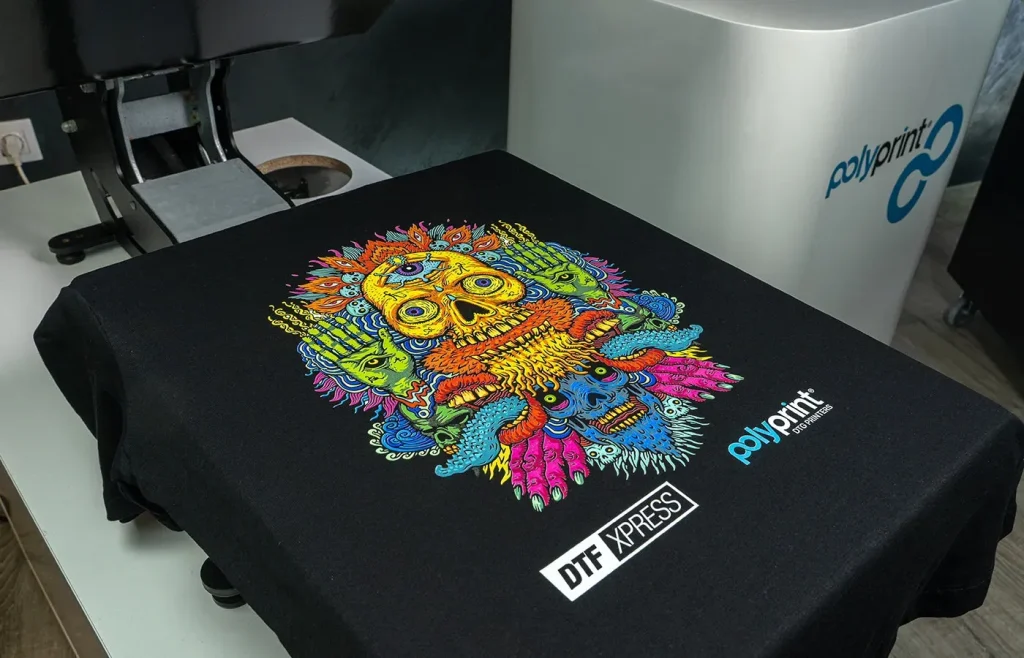
DTF printing, or Direct to Film printing, is rapidly transforming the world of custom apparel and graphic design. This pioneering printing technology allows creators to print vibrant designs directly onto a specialized film, which can then be transferred onto various textiles with ease. For enthusiasts and small business owners alike, understanding DTF supplies is essential to maximally utilize this innovative method. In this beginner’s guide to DTF, we will uncover the necessary components, effective techniques, and the latest DTF printing trends that are reshaping the industry landscape. Get ready to explore the endless possibilities this custom printing technology has to offer, granting you the ability to produce stunning apparel with minimal effort and maximum impact.
Direct to Film printing, often regarded as a game-changer in the custom printing sector, delivers incredible results while streamlining the production process. Also known simply as DTF, this method employs advanced technology to transfer intricate designs onto textiles, offering a refreshing alternative to traditional printing techniques. With a focus on essential DTF supplies and a detailed exploration of a beginner’s journey into this captivating world, this guide aims to equip you with all the knowledge you need. As we dive into the evolving trends in DTF printing, you’ll discover how this innovative approach is shaking up traditional market practices, making personalization more accessible than ever.
Understanding Direct to Film Printing Technology
Direct to Film (DTF) printing is a modern innovation that merges digital and textile printing, allowing artists and businesses to print detailed, vibrant designs on specialty films. Once printed, these designs can be transferred onto fabrics through a heat press, making DTF an excellent choice for custom apparel. Unlike traditional screen printing, DTF technology provides the flexibility to create intricate patterns without the heavy setup costs, thus catering to both hobbyists and entrepreneurs.
The process of DTF printing begins with the use of high-quality DTF printers capable of producing colorful graphics on transferable films. This method of printing has gained traction due to its effectiveness in transferring designs to various textile surfaces, such as cotton, polyester, and blends, ensuring a wide range of applications. As a result, DTF technology is becoming a favored choice for many small businesses aiming to deliver personalized products.
Essential Supplies for DTF Printing Success
When embarking on your DTF printing journey, it’s vital to gather the right supplies to ensure successful output. This includes procuring a DTF printer, transfer film, adhesive powder, and a reliable heat press. The printer is the backbone of your setup—it ideally should be a specialized DTF printer or a modified standard Epson printer to guarantee quality results. The transfer film must also be properly coated for optimal ink adherence, allowing you to achieve designs that stand out.
Additionally, the adhesive powder plays a crucial role in the transfer process, binding the ink to the fabric during heat application. A high-quality heat press, specifically designed for DTF techniques, is necessary to apply the right amount of pressure and heat, resulting in a durable and vibrant print. Beginners should remember that investing in quality supplies directly affects the quality of the final product.
Keeping Up with DTF Printing Trends
As DTF printing continues to evolve, several trends are shaping how this technology is utilized in the printing industry. One significant trend is the growing preference for eco-friendly practices. Many printing companies are now focusing on sustainable materials and inks, which create less waste compared to traditional methods. This shift not only helps the environment but also appeals to a consumer base that increasingly values sustainability.
Moreover, with the increasing accessibility of DTF printing equipment, more small businesses are entering the market. Affordable printer options and comprehensive starter kits for DTF supplies enable more creators to experiment with this technology, pushing the boundaries of custom printing. Keeping abreast of these trends will help new entrants find their niche in the DTF printing landscape.
The Benefits of DTF Supplies for Beginners
For beginners, understanding the advantages of specific DTF supplies can streamline your entry into the world of custom printing. DTF supplies are designed to facilitate a smoother printing process; for instance, using high-quality transfer films ensures better ink adhesion and longevity of prints. Additionally, beginner-friendly adhesive powders are formulated for ease of use, helping new users achieve professional results without extensive technical knowledge.
Moreover, the versatility of DTF supplies allows beginners to experiment with various fabric types and textures, expanding their creative possibilities. Whether it’s for apparel, home goods, or promotional items, DTF supplies are adaptable enough to meet a wide range of needs, enabling beginners to explore their artistic potential seamlessly.
Mastering DTF Printing Techniques and Applications
Mastering the techniques involved in DTF printing is essential for beginners who want to elevate their custom printing skills. Understanding the right ink settings, optimizing heat press temperatures, and mastering the timing of film transfers can significantly impact the quality of your finished products. Many successful users recommend practicing on test fabrics to find the perfect settings before moving on to more significant projects, as this can minimize errors and reduce material waste.
Additionally, expanding your knowledge of applications beyond apparel—such as printing on bags, hats, and home textiles—can open new revenue streams for those interested in custom products. This versatility is a major advantage of DTF printing, making it an ideal choice for entrepreneurs and hobbyists alike.
Exploring Resources for DTF Printing Mastery
To fully embrace DTF printing, beginners can benefit greatly from available online resources, tutorials, and community forums. Websites dedicated to printing technology often provide comprehensive guides that cover all aspects of DTF printing, from setting up your equipment to advanced techniques for achieving the best results. The Printful Blog, for example, offers valuable insights into the DTF process, showcasing trends, tips, and troubleshooting advice.
YouTube is another excellent resource, where in-depth tutorials demonstrate practical applications and techniques. Engaging with the DTF printing community through social media groups or forums can also provide support and inspiration, allowing learners to exchange ideas and challenges they face with their printing projects. By tapping into these resources, beginners can accelerate their learning and mastery of DTF printing.
Frequently Asked Questions
What is DTF Printing and how does it work?
DTF printing, or Direct to Film printing, is a digital printing process where high-quality designs are printed onto a special film. This printed film is then transferred onto fabrics using heat and pressure. This method differs from traditional printing, allowing intricate full-color designs without extensive setup.
What supplies are essential for beginners in DTF printing?
Essential DTF supplies include a DTF printer (typically modified Epson printers), transfer film with a special coating, adhesive powder for design adhesion, and a heat press for transferring images. Together, these components enable effective and vibrant custom printing.
What are the current trends in DTF printing technology?
DTF printing trends include increasing popularity among small businesses for custom apparel, technological advancements in more efficient and affordable DTF printers, a shift towards eco-friendly practices, and a wealth of online resources supporting beginners in mastering DTF techniques.
How does DTF printing compare to other custom printing methods?
DTF printing stands out from methods like screen printing by allowing intricate, full-color designs with minimal setup. The print quality is soft to the touch and durable, making it preferred for custom apparel, while also producing less waste than traditional methods.
Where can beginners find resources to learn about DTF printing?
Beginners can explore resources such as the Printful Blog for detailed guides on DTF printing, various YouTube tutorials for visual assistance, and professional reviews from sites like Printavo and Creative Bloq, which provide insights on the best practices and tools.
Is DTF printing environmentally friendly?
Yes, DTF printing is considered more eco-friendly compared to traditional printing methods like screen printing. It produces less waste, and ongoing developments in sustainable inks and films help to reduce the environmental impact of the printing process.
| Key Components | Description |
|---|---|
| DTF Printer | Specialized printers compatible with DTF technology, essential for printing on transfer films. |
| Transfer Film | Coated films where designs are printed, crucial for ink adhesion and vibrant prints. |
| Adhesive Powder | Sprinkled on wet ink to bind it and ensure the design adheres to the fabric during transfer. |
| Heat Press | Applies heat and pressure for transferring designs onto the fabric; must be DTF-specific for best results. |
Summary
DTF Printing is transforming the custom printing industry by simplifying the process of creating high-quality apparel and merchandise. As a beginner, it is essential to understand the key components of DTF supplies, such as specialized printers, transfer films, adhesive powders, and heat presses, which all contribute to the vibrant and durable prints. Moreover, the current trends within DTF printing, like its growing popularity and the shift towards sustainable practices, signal an exciting future for this innovative technique. By leveraging available resources and tutorials, newcomers can quickly master the art of DTF printing and tap into its vast potential for creative expression and small business opportunities.

