
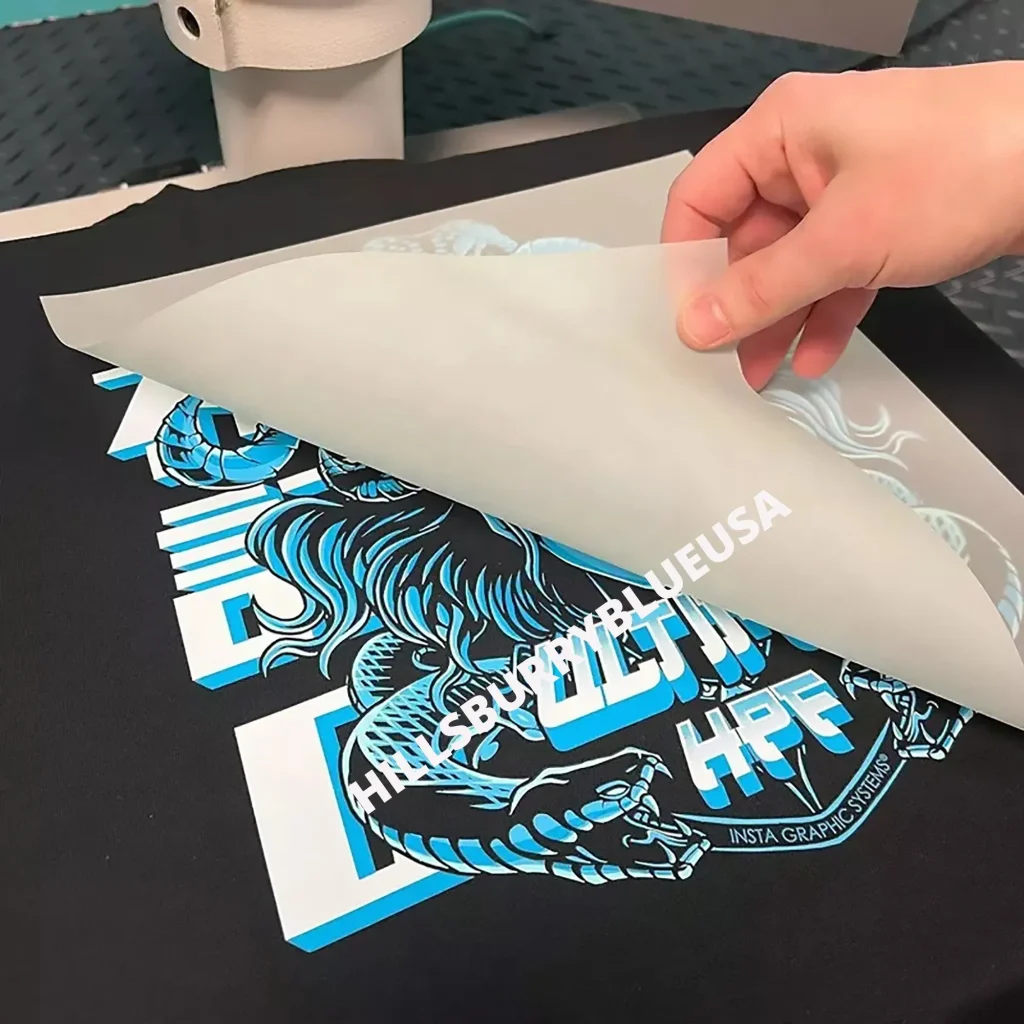
DTF Transfers, or Direct-to-Film transfers, have quickly emerged as a revolutionary technique in the world of custom printing, particularly within the apparel sector. This innovative process allows businesses to print high-quality, vibrant designs onto specialized transfer films that can be effortlessly applied to various fabrics, providing unparalleled versatility for apparel decoration. The rise of DTF printing highlights its numerous benefits, including superior durability, cost-effectiveness, and efficiency, making it an ideal choice for both small and large scale production. Companies looking to stay competitive in the fast-evolving landscape of custom printing are turning their eyes to DTF transfer technology, seeking to meet the growing demand for personalized products. In this article, we will explore the fundamental aspects of DTF transfers and how they can propel your business forward.
Direct-to-Film printing, commonly referred to as DTF printing, is transforming the way custom designs are integrated into apparel. This advanced method allows for the application of intricate graphics and colorful artwork onto a variety of textiles with remarkable ease and precision. As businesses increasingly adopt cutting-edge apparel printing techniques, understanding the implications of DTF transfer technology becomes vital for success in today’s market. Brands and entrepreneurs are leveraging the versatility of this process not just for quality output but also to keep pace with the rising consumer appetite for customized and sustainable clothing solutions. In the following sections, we will examine the benefits and considerations of adopting this technology for your printing needs.
Understanding Direct-to-Film Transfers
Direct-to-Film (DTF) transfers have emerged as an innovative solution for businesses looking to enhance their clothing lines with custom printing options. This technique involves printing directly onto a special film, which is then applied to fabrics through a heat press. What makes DTF printing distinctly different from other printing methods is its ability to produce intricate designs with outstanding detail and vibrant colors, allowing brands to effectively showcase their creativity and individuality.
Moreover, the DTF transfer method is particularly appealing for businesses engaged in apparel printing. It allows for significant flexibility in terms of the types of materials that can be used, whether cotton, polyester, or any combination of fabrics. This versatility not only expands the range of products businesses can offer but also accommodates various customer preferences, making it a practical choice in the expansive custom printing landscape.
The Benefits of DTF Printing for Custom Apparel
One of the most compelling benefits of DTF printing is its cost-effectiveness, especially for small-run projects or unique custom orders. Unlike traditional printing techniques such as screen printing, which often involves expensive setup costs for each color, DTF allows businesses to produce high-quality, customized prints without heavy initial investment. This feature is especially beneficial for start-ups and smaller brands that might struggle with budget constraints yet desire to provide customized apparel.
Additionally, DTF printing boasts impressive durability and color vibrancy. The high-quality inks used in DTF transfers ensure that designs withstand numerous wash cycles without fading or losing their integrity. This aspect is particularly crucial for businesses focused on customer satisfaction, as long-lasting products contribute to repeat business and positive word-of-mouth advertising.
Current DTF Transfer Technology Trends
The DTF printing industry is seeing remarkable trends that are reshaping the custom apparel landscape. One of the major advancements includes innovative ink formulations that yield sharper images and an enhanced color palette, appealing to both businesses and consumers who prioritize visual impact. These technological improvements allow for deeper integration of DTF prints into fashion, enabling designers to experiment with colors and patterns like never before.
Furthermore, the rise of e-commerce has accelerated the demand for DTF transfer systems, with more businesses pivoting to personalization in their product offerings. Consumers today increasingly seek unique apparel items that reflect their personal style, prompting brands to adapt to these trends swiftly. The synergy between increased technology efficiency and market demand presents ample opportunities for companies willing to embrace DTF printing.
Sustainable Practices in DTF Printing
As sustainability becomes a vital concern in the printing industry, DTF transfer technology is also evolving to incorporate more eco-friendly practices. Many businesses are now exploring the use of water-based inks and biodegradable transfer films, thus minimizing their ecological footprint. This shift towards sustainability not only appeals to conscious consumers but also positions brands as responsible players in the market, which can enhance brand loyalty and customer engagement.
The focus on sustainability in DTF printing doesn’t just stop with materials; it also extends to the entire production process. By optimizing heat transfer methods and reducing waste, companies can ensure that their operations align with environmentally-friendly goals. This alignment not only helps reduce costs but also enhances the brand’s image, making it a more attractive choice for eco-conscious shoppers.
Investing in DTF Transfer Technology
Transitioning to DTF transfer technology is a strategic move for businesses aiming to modernize their printing capabilities. The investment often involves acquiring specialized printers and heat presses, which can be a significant financial commitment for smaller enterprises. However, this initial setup cost can be offset by the long-term savings and profit potential that comes from offering high-quality, customizable products that meet consumer demands.
Additionally, proper training for staff is equally critical when implementing DTF technology. Ensuring that employees understand the printing process, maintenance of equipment, and handling of materials can profoundly impact the final product quality. Investing in training not only enhances print outcomes but also promotes employee satisfaction and efficiency, creating a strong foundation as the business grows.
Maximizing Market Research for DTF Transfers
Understanding market trends and consumer preferences is essential when deploying DTF transfer technology. Businesses should conduct regular market research to stay ahead of shifts in demand, particularly in the apparel and custom printing industries. Engaging with customers through surveys and feedback can reveal valuable insights about their preferences, which in turn can guide product development and marketing strategies.
Moreover, monitoring competitors’ activities and innovations in DTF printing can highlight opportunities for differentiation. By recognizing what sets their products apart, businesses can leverage their unique selling propositions effectively within their marketing efforts. Ultimately, a strong grasp of market research empowers companies to make informed decisions that can significantly enhance their profitability and brand reputation.
Frequently Asked Questions
What are DTF Transfers and how do they work in the custom printing industry?
DTF Transfers, or Direct-to-Film transfers, are a modern printing technique used in the custom printing industry where designs are printed onto a special film. This film is then heat-pressed onto various textiles, providing high-quality prints with vibrant colors and detailed images. This method has gained popularity for its versatility in applying graphics to materials such as cotton, polyester, and blends.
What are the benefits of using DTF printing for apparel decoration?
DTF printing offers numerous benefits for apparel decoration including versatility, quality, and durability. It works on a wide range of fabrics, produces vibrant colors and detailed images, and is cost-effective for low-volume orders. Additionally, DTF prints resist fading and peeling after multiple washes, ensuring long-lasting results for custom apparel.
How does DTF transfer technology compare to traditional screen printing?
Compared to traditional screen printing, DTF transfer technology is more cost-effective for small runs as it eliminates the need for multiple setups for different colors. DTF transfers also provide quicker turnaround times and can achieve higher detail and color vibrancy. This makes DTF a preferred choice for businesses focusing on personalized products and rapid fulfillment.
What equipment is required for effective DTF printing?
To start DTF printing, businesses need specialized equipment such as DTF printers, heat presses, and the appropriate transfer films. Proper investment in quality machinery is crucial for achieving optimal results and maintaining operational efficiency in the custom printing process.
Are there any sustainability aspects to consider with DTF printing?
Yes, sustainability is becoming increasingly important in DTF printing as more businesses seek to minimize their environmental impact. Many companies are exploring eco-friendly inks and films, which address consumer demand for sustainable practices in apparel production and help differentiate brands in the marketplace.
How can businesses stay competitive in the growing market for DTF transfers?
To remain competitive in the growing DTF transfer market, businesses should continuously engage in market research to understand consumer preferences and trends. Investing in the latest technology, training staff effectively, and focusing on sustainable practices can also enhance product offerings and overall market position.
| Key Points | Details |
|---|---|
| Overview of DTF Transfers | Direct-to-Film (DTF) is a printing technique that applies designs onto film for heat pressing onto various substrates. |
| Advantages | 1. Versatility: Works on diverse materials. 2. Quality and Durability: High-resolution prints resistant to fading. 3. Cost-Effectiveness: Economically viable for small runs. 4. Speed: Quick turnaround for orders. |
| Current Trends | 1. Technology Advancements: Improved ink and printer technology. 2. Market Growth: Increased demand from e-commerce. 3. Sustainability: Rising focus on eco-friendly practices. |
| Key Considerations | 1. Equipment Investment: Initial costs for specialized equipment. 2. Training: Importance of staff training for quality prints. 3. Market Research: Continual assessment of market trends. |
Summary
DTF Transfers are revolutionizing the apparel industry by offering businesses a modern solution to custom printing needs. This innovative method not only provides impressive versatility and quality but also promotes cost-effectiveness and quick production times. As more businesses recognize the benefits of DTF transfers, they are adapting to market demands for personalized and eco-friendly products. Investing in DTF technology, combined with thorough staff training and market analysis, allows companies to not only improve their product offerings but also to strengthen their competitive edge in a rapidly changing market.

