
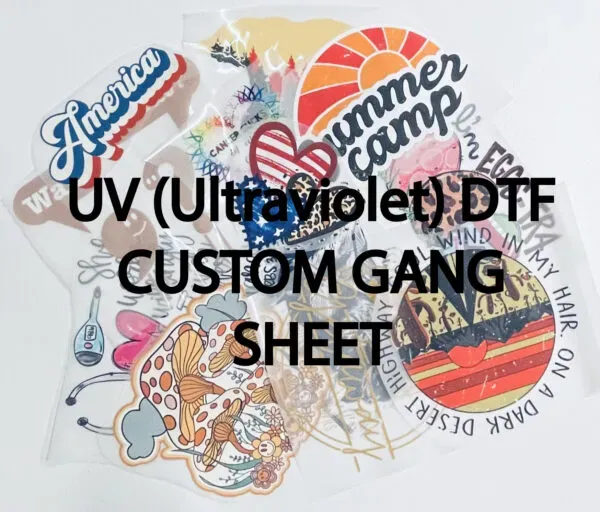
**UV DTF Gangheet** is ushering in a new era of fabric printing that captures the imagination of designers and consumers alike. This innovative technique harnesses the strengths of **UV printing** combined with **direct to film** (DTF) methodologies, creating striking visuals that stand the test of time. By utilizing advanced **fabric printing technology**, UV DTF Gangheet delivers vivid colors and exceptional durability, making it a standout choice in the textile industry. Furthermore, it embraces **sustainable printing** practices by leveraging low-VOC inks, appealing to environmentally conscious creators. As we explore the intricacies of this transformative approach, it becomes clear that UV DTF Gangheet is more than a trend; it’s a revolution in custom fabric printing that enhances artistic expression while prioritizing sustainability.
Known as ultraviolet direct-to-film printing, UV DTF Gangheet has emerged as a pivotal solution for modern fabric decoration. This process integrates cutting-edge ultraviolet technologies with film transfer methods to produce high-quality, durable fabric prints. The application of ultraviolet light serves to cure inks rapidly, resulting in brilliant, long-lasting designs that can withstand various environmental conditions. Furthermore, the versatility of this printing technique allows for use across a multitude of fabric types, paving the way for creative innovation in custom textile designs. As more businesses recognize the importance of eco-friendly methods, this approach marks a significant advancement in sustainable printing practices within the industry.
Understanding UV DTF Gangheet: A New Era in Fabric Printing
UV DTF Gangheet represents a significant leap forward in the realm of fabric printing. This innovative method integrates the strengths of ultraviolet (UV) printing with the direct-to-film (DTF) technique, ensuring that prints are not only vibrant and eye-catching but also durable and resilient against daily wear and tear. By fusing these two technologies, UV DTF Gangheet creates a seamless printing experience that caters to the evolving needs of fashion designers and fabric marketers alike. The result is a groundbreaking printing solution that maintains high standards in quality while addressing the demand for variety and versatility.
The process begins with UV inks being printed onto a film, which is then transferred onto the fabric surface. This ensures that intricate patterns and designs are reproduced with stunning clarity and color fidelity. Such precision is paramount in today’s market, where consumer expectations for design quality are at an all-time high. With the ability to print on a variety of substrates, including cotton and synthetic blends, the possibilities for customization are virtually limitless, allowing for personalized creations that resonate with individual styles and preferences.
Durability and Longevity: Key Advantages of UV DTF Technology
One of the hallmark features of UV DTF printing is its exceptional durability. Unlike traditional fabric printing techniques that may fade or wear down over time, UV DTF prints are resistant to both fading and abrasions, thanks to the UV curing process. This enhanced longevity ensures that apparel and promotional items maintain their aesthetic appeal even after multiple washes and prolonged exposure to sunlight. For businesses in the fashion and advertising sectors, this reliability translates into cost savings and improved customer satisfaction, as end-users benefit from high-quality products that stand the test of time.
Moreover, the durability of UV DTF printing not only enhances the longevity of the printed designs, but it also opens doors to new applications, especially for functional textiles. Items such as workwear, outdoor gear, and sports apparel require prints that can endure harsh conditions. With UV DTF technology, manufacturers can confidently produce fabric items that not only look vibrant but also meet the demanding needs of various industries. Thus, investing in UV DTF printing technology becomes a sound business decision for stakeholders looking to enhance their product offerings.
Eco-Friendly Innovations in UV DTF Printing
As sustainability becomes increasingly critical in the fabric printing landscape, UV DTF printing stands out due to its eco-friendly attributes. Many companies developing UV inks have responded to environmental concerns by creating formulations that are low in volatile organic compounds (VOCs). This not only helps to minimize harmful emissions during production but also aligns with the growing preferences of consumers who favor sustainable products. UV DTF Gangheet enables businesses to maintain high-quality printing without compromising on environmental responsibility.
Furthermore, the ability to minimize waste is another factor that adds to the eco-friendliness of UV DTF printing. The direct-to-film method allows for precise color matching and reduced ink consumption, ultimately leading to less waste in the production cycle. By adopting practices that embrace sustainability without sacrificing quality, companies can appeal to a broader audience, including environmentally conscious consumers who prioritize green products. This trend is a powerful incentive for businesses to innovate their processes further, leveraging technology to not only produce excellent textile prints but to do so responsibly.
The Versatility of UV DTF Gangheet in Textile Applications
The versatility of UV DTF printing technology is one of its standout features, enabling it to thrive in diverse textile applications. Unlike traditional methods that may be restricted to specific fabric types, UV DTF can print on a wide range of materials, including cotton, polyester, and even unconventional surfaces. This adaptability allows designers to explore new creative possibilities and bring more elaborate concepts to life. Products such as personalized apparel, unique home decor, and custom promotional items all benefit from the flexibility of UV DTF techniques.
In the world of fashion, where trends can shift rapidly, having a printing solution that accommodates various styles and textures is invaluable. Fashion designers can now experiment with mixed media fabrics, combining prints with embroidery or other embellishments, thereby creating visually stunning products that stand out in a saturated market. Custom fabric printing achieved through UV DTF Gangheet not only enhances creative freedom but also empowers brands to offer limited edition runs that cater to the customer’s desire for exclusive styles.
Industry Trends Shaping the Future of UV DTF Printing
As we look towards the future, several industry trends are emerging that are likely to shape the landscape of UV DTF printing. The shift towards customization and on-demand production is perhaps the most significant of these trends, driven by consumer desires for unique, personalized items. As businesses adopt UV DTF technology, they can efficiently fulfill niche demands, producing everything from custom-printed clothing to specialized promotional materials with ease. This adaptability not only streamlines production processes but also positions companies for success in a competitive marketplace.
Moreover, the trend towards automation in the printing industry is gaining traction. The integration of advanced technologies such as AI into UV DTF printing machines not only enhances workflow efficiency but also ensures precision and consistency across print batches. Automated systems reduce human errors and create opportunities for manufacturers to scale operations to meet increasing demand for printed textiles. In this context, UV DTF printing is not just a passing trend; it is poised to redefine the standards of quality, speed, and customization within the fabric printing sector.
Conclusion: The Transformative Impact of UV DTF Gangheet
In conclusion, UV DTF Gangheet is unveiling an exciting chapter in the fabric printing narrative. This technology brings an array of benefits, including superior durability, versatility, and eco-friendliness, which align seamlessly with the needs of modern designers and consumers. As the industry continues to innovate and embrace advancements in printing technology, UV DTF is set to be a game changer in delivering high-quality, sustainable fabric printing solutions.
As a result, stakeholders within the textile industry—whether manufacturers, designers, or retailers—should take note of the significance that UV DTF printing holds for the future of garment decoration. With ongoing improvements in technology and an increasing focus on customer-specific solutions, UV DTF Gangheet not only stands to enhance creative possibilities but also redefine the landscape of fabric printing for years to come.
Frequently Asked Questions
What is UV DTF Gangheet and how does it enhance fabric printing?
UV DTF Gangheet integrates UV printing technology with direct-to-film processes, allowing for vibrant, high-resolution designs on fabric. This advanced printing method provides enhanced durability and color retention, making it an ideal solution for custom fabric printing.
What are the advantages of using UV DTF printing for custom fabric projects?
Using UV DTF printing for custom fabric projects offers numerous benefits, including enhanced durability that resists fading and wear. It can print on various fabric types and is recognized for its eco-friendly inks, reducing the environmental impact compared to traditional fabric printing technologies.
How does UV DTF Gangheet contribute to sustainable printing practices?
UV DTF Gangheet incorporates eco-friendly UV inks that minimize volatile organic compounds (VOCs), making it a more sustainable printing option. This technology supports environmentally conscious branding and product development by reducing harmful emissions during the printing process.
Which fabrics can be printed using UV DTF technology?
UV DTF technology is remarkably versatile and can print on a wide range of fabrics, including cotton, polyester, and blended materials. Additionally, it can be applied to unconventional surfaces, expanding the possibilities for custom fabric printing in diverse applications.
What recent advancements are shaping the future of UV DTF printing?
Recent advancements in UV DTF printing include improvements in speed and efficiency for bulk production, as well as innovations in ink formulation that enhance color vibrancy. The integration of automation and AI into the printing process is also optimizing workflow and reducing errors.
Why is UV DTF Gangheet becoming popular in various industries?
UV DTF Gangheet is gaining popularity in fashion, textiles, and promotional products due to the rising demand for custom, on-demand printing solutions. This technology meets consumer needs for unique designs while ensuring efficient production processes.
| Key Point | Details |
|---|---|
| What is UV DTF Printing? | A fabric printing method that merges UV printing and direct-to-film technology, ensuring vibrant and durable designs. |
| Enhanced Durability | UV DTF prints are resistant to wear, fading, and wash, maintaining their integrity over time. |
| Versatility | Can print on various fabrics (cotton, polyester) and unconventional surfaces. |
| Eco-Friendly Options | Utilizes low VOC inks, making it an environmentally responsible choice. |
| Recent Developments | Speed improvements and advancements in ink formulations make for efficient, high-quality printing. |
| Market Trends | Growing demand for custom and on-demand solutions is driving the adoption of UV DTF technology. |
Summary
UV DTF Gangheet is revolutionizing the world of fabric printing by introducing enhanced durability, versatility, and eco-friendly options. This innovative technique not only ensures long-lasting prints but also accommodates a variety of materials and surfaces, making it a popular choice among designers and manufacturers. With recent advancements in speed and ink formulations, alongside a growing market trend for personalized printing, UV DTF Gangheet represents the future of textile decoration. As the industry continues to evolve, staying informed about these developments will be crucial for anyone involved in fabric design and production.

