
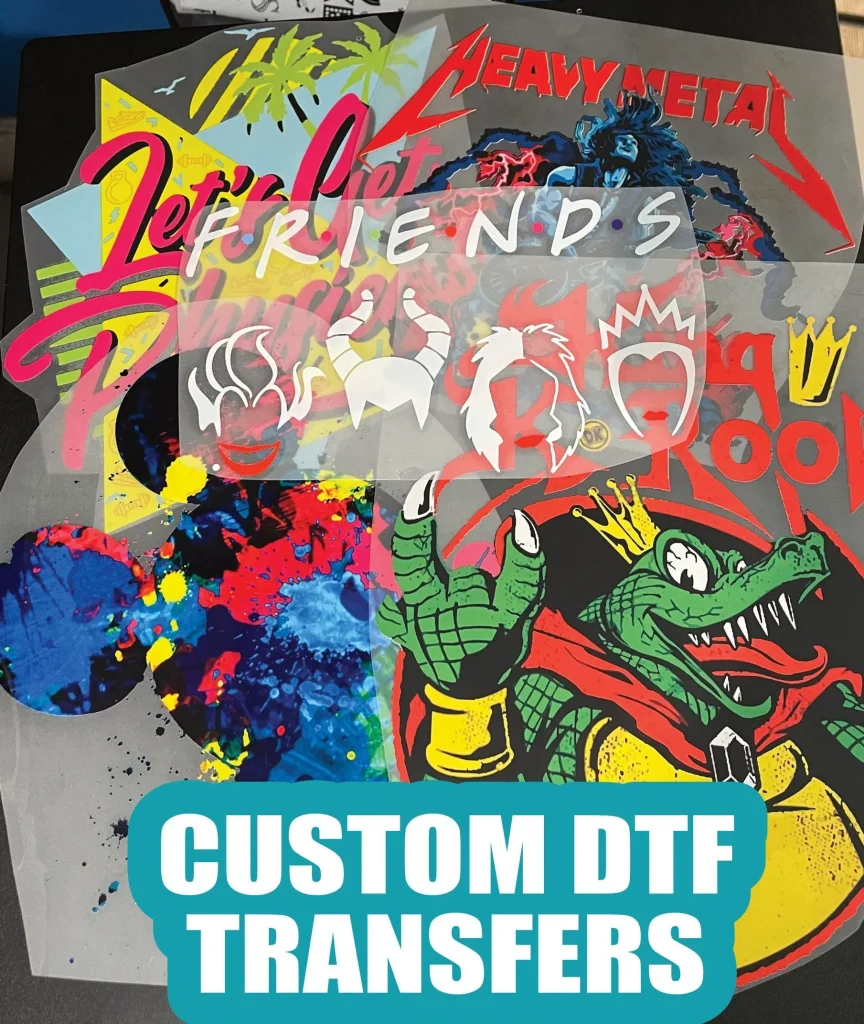
DTF transfers, short for Direct-to-Film transfers, have transformed the landscape of custom apparel printing, providing a revolutionary method for enthusiasts and businesses alike. This innovative technique allows for detailed designs to be seamlessly transferred onto a variety of fabrics, offering a vibrant and durable alternative to traditional printing methods. Beginners can easily dive into DTF printing with the right resources and insights, making it an accessible craft for anyone eager to explore textile design. In this guide, we’ll demystify how to do DTF transfers effectively, covering everything from essential equipment to step-by-step instructions tailored for novice printers. Unlock the potential of custom apparel printing as we share best practices and tools to help you succeed in this exciting creative endeavor.
When discussing DTF printing, we are referring to a cutting-edge transfer printing method that has recently gained traction among both hobbyists and professional print shops. This approach revolves around using specialized transfer films to facilitate the application of intricate graphics onto textiles with remarkable clarity and color retention. Many newcomers often seek a comprehensive transfer printing guide to help them navigate their initial steps into this rewarding process. As you learn about the various techniques involved in creating custom apparel, you’ll discover that mastering DTF processes is not only fulfilling but can also open doors to entrepreneurial opportunities. From basic understanding to advanced skills, there’s a wealth of information available for those interested in mastering beginner DTF printing.
Understanding DTF Transfers: A Beginner’s Guide
DTF transfers, or Direct-to-Film transfers, have emerged as a revolutionary method in the world of custom apparel printing. This innovative technique replaces traditional methods like screen printing by utilizing a specialized film that captures high-resolution images and utilizes heat and pressure to transfer them onto fabric. For beginners, understanding the nuances of DTF transfers can significantly impact the quality of their prints. Proper knowledge equips you to handle intricate designs and vibrant colors effectively, ensuring that your final product meets both your expectations and those of your customers.
One of the standout features of DTF printing is its versatility; it can be applied to various fabric types, from cotton to polyester blends. This wide applicability means that it caters not only to basic t-shirt designs but also to unique custom apparel requests. As you navigate the world of DTF transfers, it’s important to familiarize yourself with the specific equipment requirements and procedural steps to fully harness this printing method’s potential.
Essential Equipment for DTF Printing
Having the right equipment is foundational for successful DTF printing. First and foremost, investing in a high-quality DTF printer is crucial. These specialized printers are designed to handle the unique requirements of DTF transfer films and inks, ensuring that your designs maintain their vibrancy and accuracy. Alongside the printer, you’ll need compatible DTF transfer films and inks. Selecting the appropriate materials will prevent issues like ink smudging or fabric damage, which can commonly occur when improper products are mixed.
Don’t overlook the importance of a reliable heat press in your DTF transfer setup. A properly calibrated heat press allows for the exact temperature and pressure needed to ensure that the adhesive powder melts and fuses the design to the fabric adequately. With the right equipment assembled, you’ll not only simplify your workflow but also elevate your print quality significantly. This foundational step is key to succeeding with DTF transfers, making it easier to produce professional-grade custom apparel.
Step-by-Step Process for DTF Transfers
To achieve stunning results with DTF transfers, it’s essential to follow a systematic approach throughout each phase of the printing process. Start with design creation, where you can employ graphic design software like Adobe Illustrator. Ensure your graphics are precisely crafted to align with your vision, and save them in suitable file formats like PNG to preserve the necessary transparency. Once you have your designs prepared, you’ll proceed to print them onto the DTF transfer film, taking care to adjust the printer settings for optimal color output.
After printing, the application of adhesive powder is a critical step. Sprinkle the adhesive while the film is still warm to ensure a strong bond. This powder not only enhances adhesion but also helps to maintain the vibrancy of the print after heat transfer. The last stage involves using a heat press to affix your design permanently onto the fabric. Following this methodical approach will allow beginners to master DTF transfers more effectively, resulting in custom apparel that stands out in terms of quality.
Finishing Techniques for Flawless Transfers
Once the heat press application is complete, the finishing touch involves cooling down the fabric and peeling the transfer film away. This moment is crucial, as it determines the quality of your final product. A proper cooling period ensures that the design has adhered correctly and minimizes the risk of any peeling or misalignment. Inspecting the design carefully after cooling will allow you to spot any potential flaws that need to be addressed before packaging your custom apparel.
In addition to the initial peeling, there are further finishing techniques that can enhance the durability of your prints. For example, post-press treatments can be applied to ensure that colors remain vivid and withstand washing. Educating yourself on these finishing techniques can dramatically improve the longevity and appearance of your DTF transfers, making your custom apparel stand out even more in a competitive market.
Online Resources for Mastering DTF Transfers
As you embark on your journey in DTF printing, the plethora of online resources available can serve as an invaluable asset. Platforms like YouTube host numerous channels dedicated to DTF printing tutorials, offering visual demonstrations that can enhance your understanding of the process. These resources cover everything from equipment setup to troubleshooting common issues, allowing you to learn at your own pace and refine your techniques continuously.
In addition to video tutorials, industry-specific blogs and websites like Printavo and DTF Print Supply provide written guides, best practices, and insights into the latest trends in DTF transfers. Staying engaged with these resources will keep you informed and inspired, ensuring that your skills reflect the latest advancements in digital textile printing. By leveraging these educational platforms, you can confidently navigate the world of custom apparel and continually develop your expertise in DTF transfers.
Exploring Recent Innovations in DTF Printing
The DTF printing landscape has seen considerable innovations in recent years that are reshaping the realm of custom apparel printing. One major breakthrough is the advent of more user-friendly DTF printers, which now come equipped with advanced features that simplify the setup and operating process. These innovations cater to both hobbyists and entrepreneurs, providing tools that were once only available to larger-scale manufacturing operations.
Also, new adhesive formulas and transfer films have been developed, enhancing the quality and durability of prints. These advancements not only improve the aesthetic aspect of the final product but also increase their longevity, making them ideal for market-ready custom apparel. Keeping an eye on these trends is essential for anyone serious about mastering DTF transfers, as it allows you to adopt the best technologies available and stay competitive in the ever-evolving printing industry.
Frequently Asked Questions
What are the benefits of using DTF transfers for custom apparel printing?
DTF transfers offer several benefits for custom apparel printing, including vibrant color output and the ability to transfer intricate designs onto a variety of fabrics. The process is user-friendly, allowing beginners to create professional-quality prints without needing extensive setup. Additionally, DTF printing has become increasingly affordable due to advancements in technology, making it an accessible option for hobbyists and small businesses alike.
How do I get started with DTF printing as a beginner?
To get started with DTF printing, you need essential equipment such as a compatible DTF printer, transfer film, DTF inks, and a heat press. Follow a step-by-step guide to create your designs, print, apply adhesive powder, and successfully transfer the design onto fabric. There are numerous online resources and tutorials available to assist beginners in mastering DTF transfers.
What equipment do I need for successful DTF transfers?
Successful DTF transfers require a DTF printer, DTF transfer film, quality DTF inks, and a heat press. Ensure that each component is compatible, as this is crucial for achieving vibrant prints and smooth application. Investing in quality equipment will greatly enhance your results in custom apparel printing.
Can I use any printer for DTF transfers?
No, not all printers are suitable for DTF transfers. You need a printer specifically designed for DTF printing to ensure compatibility with DTF film and inks. Brands like Epson now offer models tailored for DTF transfers, making it easier for beginners to find the right equipment for custom apparel projects.
What are some common mistakes to avoid in DTF printing?
Common mistakes in DTF printing include using the wrong printer settings, not curing the adhesive powder properly, and failing to align the design correctly on the fabric. To avoid these pitfalls, always check your printer settings, experiment with adhesive application techniques, and follow a reliable transfer printing guide to ensure successful results.
Where can I find tutorials for DTF transfers online?
There are many online resources for DTF transfers, including YouTube channels like ‘T-Shirt Help Desk’ and ‘The Print Life,’ which offer tutorials ranging from equipment setup to advanced printing techniques. Additionally, websites such as Creative Fabrica provide comprehensive guides and resources specifically for DTF printing, making it easier for beginners to learn and improve their skills.
| Key Points | Details |
|---|---|
| Introduction | DTF transfers revolutionize custom apparel creation, making it accessible to beginners. |
| What are DTF Transfers? | DTF transfers use specialized film to apply vivid graphics to fabrics with heat and pressure. |
| Recent Developments | 1. Increased popularity due to versatility. 2. Affordable equipment from brands like Epson. 3. Abundant online training resources. |
| Equipment Needed | Essential tools include DTF printer, transfer film, inks, and heat press. |
| Step-by-Step Guide | 1. Create designs using software, print on film, apply adhesive powder, heat transfer to fabric, and peel away film. |
| Resources and Tutorials | Websites and YouTube channels offer guides and insights into DTF printing techniques and trends. |
Summary
DTF Transfers have emerged as a game-changing technique in the realm of custom apparel, providing a simple yet effective way for individuals and businesses to create vibrant designs. This innovative approach not only enhances creativity but also opens doors to new entrepreneurial opportunities. As the market for DTF transfers continues to grow, the increasing availability of equipment, resources, and tutorials makes it an ideal time for both beginners and experienced print makers to dive into this exciting field. By exploring the step-by-step process and utilizing available resources, anyone can master DTF transfers and produce high-quality, professional-grade apparel.

