
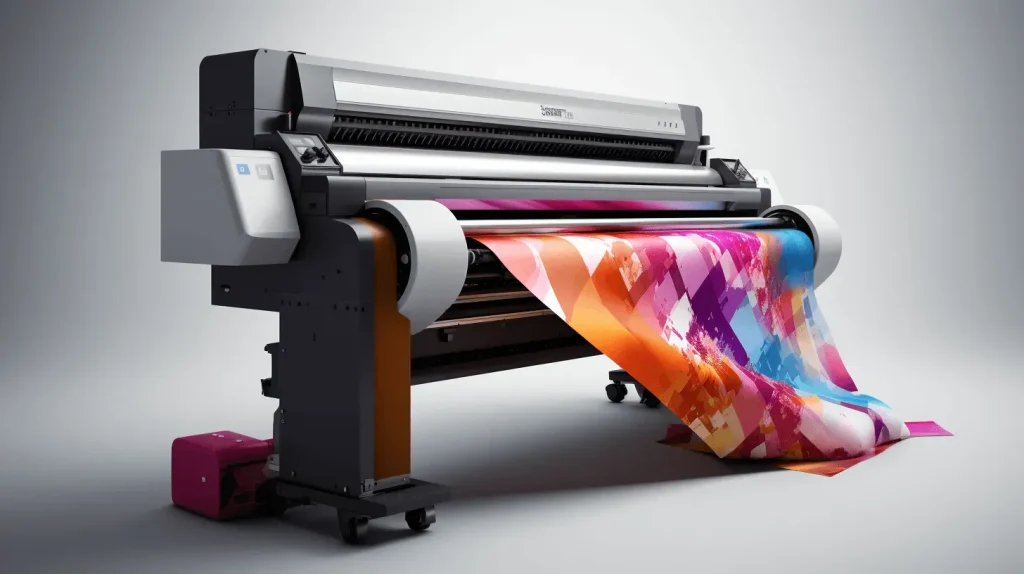
DTF printing, or Direct to Film printing, has rapidly emerged as a game-changer in the custom printing realm, revolutionizing how designs are applied to various materials. This innovative technology allows for high-quality prints with vibrant colors and intricate details, catering to the evolving demands of today’s consumers. As the printing industry trends shift towards efficiency and personalized solutions, the benefits of DTF become increasingly clear, providing businesses a cost-effective alternative to traditional methods. In this guide, we will explore how DTF technology is redefining custom printing and why its adoption is growing among entrepreneurs and businesses alike. Join us as we uncover the transformative impact of DTF printing on the creative landscape.
Often referred to as Direct to Film technology, DTF printing is transforming the landscape of printable products with its unique processes. This modern printing technique leverages the capabilities of digital printing to create stunning and durable designs on a wide range of materials. With its increasing popularity, many in the custom printing sector are discovering the myriad advantages of adopting this approach, including quicker production times and reduced costs. As these alternatives gain traction, the DTF method stands out by meeting the diverse demands of customers looking for specialized prints. In this discussion, we will delve deeper into the significance of this technology and its implications for the future of the custom printing industry.
Understanding DTF Technology in Custom Printing
DTF (Direct to Film) technology is rapidly gaining traction in the custom printing sector, transforming the way designs are transferred onto fabrics. Unlike traditional printing methods that rely on screen setups and extensive preparations, DTF utilizes a specialized transfer film that allows for direct printing from a computer to the film, which is then heat-transferred onto various materials. This innovation not only streamlines the production process but also opens up new avenues for creative expression in custom designs.
Furthermore, DTF technology champions flexibility, allowing businesses to cater to diverse fabric types and custom requests. Whether working with cotton, polyester, or even blends, this printing method adapts seamlessly, ensuring high-quality outcomes and vibrant colors. This adaptability to multiple substrates ensures that businesses can meet the varied demands of their clientele, enhancing customer satisfaction and loyalty.
Benefits of DTF Printing Over Traditional Methods
The benefits of DTF printing extend far beyond its operational efficiency. One of the most compelling advantages is its ability to produce intricate designs with striking detail and vivid colors. Thanks to proprietary ink formulations and precise application techniques, DTF printing is capable of rendering high-resolution images that stand out on any garment. This makes it an attractive option for businesses looking to deliver exceptional products that capture the imagination of consumers.
Moreover, DTF technology minimizes costs associated with bulk printing while allowing for smaller batch orders. This economic efficiency enables companies to capitalize on trends without the burden of large inventories or waste. By easily accommodating short runs and personalized prints, DTF aligns perfectly with the growing demand for unique, customized goods in today’s market.
The Environmental Impact of DTF Printing
Sustainability is becoming increasingly imperative in the modern printing landscape. DTF printing stands out with its environmentally conducive practices by utilizing water-based inks that significantly reduce hazardous emissions compared to solvent-based alternatives. As consumers increasingly gravitate toward eco-friendly products, adopting DTF technology can boost a business’s reputation and appeal in an audience that values sustainability.
In addition to cleaner inks, the DTF printing process itself generates less waste, enabling companies to operate more sustainably. This strategic approach resonates with conscientious consumers who prefer brands that actively contribute to environmental welfare. By prioritizing green practices, businesses can not only attract a more diverse customer base but also fulfill their social responsibilities.
User-Friendly Aspects of DTF Technology
One of the most significant advantages of DTF technology is its user-friendly setup and operation. The learning curve associated with managing DTF printers is markedly lower when compared to traditional printing techniques like screen printing, which often requires extensive training and specialized skills. This ease of use allows more businesses, including startups, to integrate DTF into their operations without prohibitive training costs or complexities.
Additionally, with a growing number of online resources and community forums dedicated to DTF printing, operators can quickly access information and tips that enhance their proficiency. This collaborative spirit within the DTF community fosters innovation and knowledge sharing, which can lead to improved printing techniques and business strategies.
Market Trends Driving DTF Printing Adoption
The increasing demand for individualized products within the custom printing industry is fueling the rise of DTF printing technology. As consumers continue to seek out personalized solutions ranging from unique apparel to bespoke promotional merchandise, DTF offers the perfect combination of quality and adaptability. This trend positions DTF printing as not just a fleeting innovation but a permanent fixture within the custom printing landscape.
Moreover, industry analysts predict continued growth and investment in DTF technology, as companies recognize its potential to streamline operations and enhance product offerings. With more entrepreneurs entering this space, the competitive landscape is set to expand, driving further improvements and efficiencies in DTF printing processes.
Challenges Facing DTF Printing Adoption
Despite its many advantages, DTF printing is not without its challenges. As the technology gains popularity, an influx of new market entrants introduces increased competition. To thrive, businesses must find ways to differentiate themselves, whether through exceptional design ingenuity, top-notch quality, or outstanding customer service. This pressure to innovate can be both an opportunity and a challenge, requiring constant adaptation and evolution.
Furthermore, those using DTF technology must stay abreast of the latest tools, software updates, and maintenance practices to ensure optimal performance. Keeping up with these advances is critical for sustaining a competitive edge in the bustling custom printing market, where consumer expectations and industry standards are continuously evolving.
Frequently Asked Questions
What is DTF printing and how does it work?
DTF printing, or Direct to Film printing, is a modern custom printing technology that transfers high-quality images onto fabric by printing on a specialized film. The process involves printing the design onto a film, which is then heat transferred onto the substrate. This allows for vibrant colors and intricate designs on various materials, including cotton and polyester.
What are the main benefits of DTF printing over traditional methods?
The main benefits of DTF printing include its cost-effectiveness, efficiency, and versatility. Unlike traditional screen printing, DTF eliminates high setup costs, making it ideal for small batch orders. Additionally, DTF technology produces vibrant, high-quality prints on a wide range of fabrics, appealing to custom printing needs without sacrificing quality.
How does DTF technology impact the printing industry?
DTF technology is reshaping the printing industry by offering faster turnaround times and greater customization options. As consumer demand for personalized products grows, DTF printing enables businesses to meet these needs more efficiently, driving overall market growth in the custom printing sector.
Is DTF printing environmentally friendly?
Yes, DTF printing is relatively eco-friendly. It utilizes water-based inks instead of solvent-based inks, resulting in reduced harmful emissions. This sustainability aspect of DTF technology attracts environmentally-conscious businesses and consumers who prioritize eco-friendly printing solutions.
What types of materials can be used with DTF printing?
DTF printing is incredibly versatile, suitable for a wide range of materials including cotton, polyester, fabric blends, and specialized substrates like nylon. This flexibility allows businesses to diversify their offerings in the custom printing space, catering to various customer preferences.
What are the current trends in the DTF printing market?
Current trends in the DTF printing market include increasing demand for personalized products and the rise of online communities sharing best practices and innovations. As businesses adopt DTF technology, they can better adapt to evolving consumer preferences, positioning themselves competitively in the custom printing landscape.
| Key Points | Details |
|---|---|
| Efficiency and Cost-Effectiveness | Quick production with lower setup costs, allowing for small batch orders without prohibitive prices. |
| Quality and Versatility | Produces high-quality images with vibrant colors on various fabrics, surpassing traditional methods. |
| Environmental Impact | Utilizes water-based inks, reducing harmful emissions and appealing to eco-conscious consumers. |
| User-Friendly Process | Easier to train staff on DTF technology compared to traditional methods, promoting faster adoption. |
| Market Growth and Adoption | Growing demand for DTF printers indicates a trend towards personalization and operational efficiency. |
| Challenges | Competition is increasing, requiring differentiation. Maintenance and software updates are ongoing concerns. |
Summary
DTF printing is revolutionizing the custom printing industry by marrying efficiency and quality with sustainability. This innovative technology allows businesses to respond to growing consumer demands for personalized products while ensuring rapid turnaround times. With its eco-friendly ink choices and user-friendly processes, DTF printing is not only meeting the needs of today’s market but also paving the way for future trends. As businesses adapt to these changes, adopting DTF printing is becoming essential for staying competitive in this dynamic landscape.