
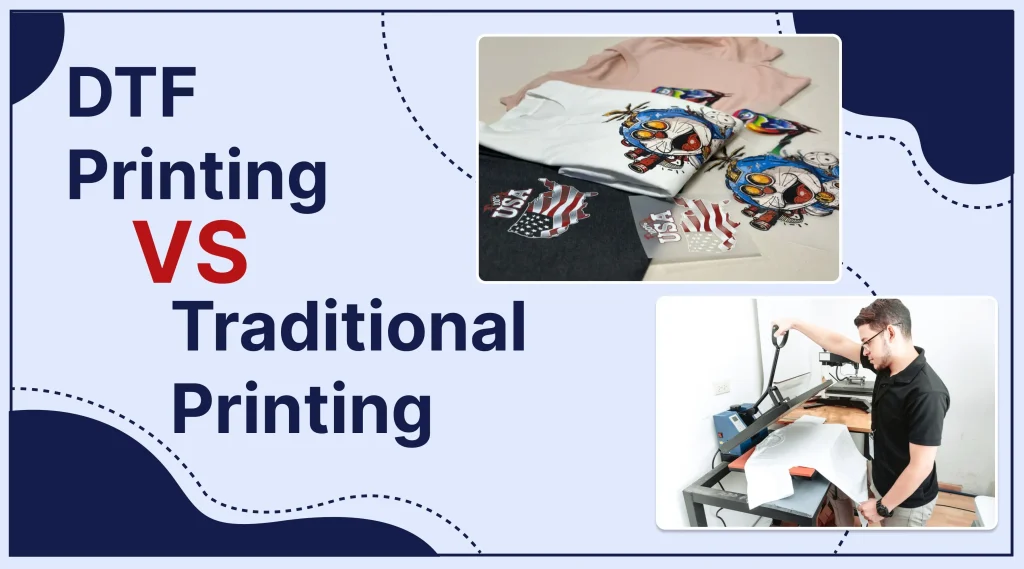
In the constantly evolving landscape of printing, a significant debate has emerged focusing on UV DTF vs. traditional printing methods. UV DTF, or Ultra Violet Direct to Film printing, represents a game-changing technology that delivers stunning visuals with exceptional detail across various materials. This contrast to traditional printing techniques, which often rely on well-established methods like screen and offset printing, raises important discussions around print quality comparison and material compatibility in printing. Brands are increasingly challenged to evaluate cost-effectiveness in printing while considering eco-friendly printing solutions to align with consumer demand for sustainability. As market trends in printing continue to shift, understanding the nuances between these two approaches becomes essential for any brand aiming to enhance its product offerings.
The conversation surrounding UV DTF and conventional printing techniques has sparked interest among industry leaders and innovators alike. Often referenced as modern printing technology, UV DTF employs ultraviolet light to create vivid and precise images, setting it apart from traditional methods which have long been the standard in bulk production. By analyzing factors such as production speed, material versatility, and overall environmental impact, businesses can determine the most suitable option for their specific needs. As brands explore all printing avenues, leveraging advancements in technology can lead to improved outcomes and better alignment with contemporary market demands.
Comparing Print Quality: UV DTF vs. Traditional Printing
When evaluating print quality, the choice between UV Direct to Film (DTF) and traditional printing methods is crucial. UV DTF is celebrated for its superior detail and vibrancy, capable of producing intricate designs with a rich color spectrum. This method layers colors using UV light, allowing for high-resolution images that stand out on various substrates. Such precision makes UV DTF an ideal choice for industries requiring photo-realistic prints, such as fashion and promotional materials.
On the other hand, traditional printing methods such as screen or offset printing have their own merits. While they excel in bulk production and can deliver satisfactory results, they may not achieve the same level of color fidelity and detail as UV DTF. For brands that prioritize high-impact visuals and the ability to replicate detailed graphics, the advanced technology of UV DTF presents a clear advantage.
Cost-Effectiveness in Printing
Cost plays a significant role in selecting a printing method, especially when considering UV DTF versus traditional printing. UV DTF is often more economical for smaller print runs. This is largely due to its efficient processes that minimize material waste, allowing brands to print only what they need without incurring excessive costs. Additionally, the fast production speeds associated with UV DTF can reduce labor costs, making it a financially savvy option for businesses aiming to limit overhead.
In contrast, traditional printing methods tend to be more cost-effective for larger production runs due to their established economies of scale. As setups for screen and offset printing can be time-consuming and expensive, they excel when producing substantial quantities of the same design. However, brands must weigh these savings against the flexibility and lower initial costs offered by UV DTF for more varied, smaller batches.
Material Compatibility Challenges
One of the significant advantages of UV DTF printing is its compatibility with a wide range of materials. This flexibility allows brands to expand their product offerings beyond traditional textiles to include hard surfaces like glass, metal, and plastics. Such versatility gives businesses creative freedom when launching new products, making UV DTF a favorable option for those looking to innovate their merchandise.
In contrast, traditional printing methods are largely limited to textiles and may struggle when attempting to print on diverse surfaces. This limitation can hinder brands looking to diversify their offerings. The requirement for specific inks and processes for varied materials can add additional layers of complexity and cost, potentially making UV DTF the more adaptable choice for modern brands seeking versatility.
Eco-Friendly Printing Solutions
With sustainability becoming increasingly important in business practices, printing methods must also adapt. UV DTF technologies have made significant strides in reducing their environmental impact. Many brands that utilize UV DTF now favor water-based inks and eco-conscious practices, aligning with global sustainability initiatives. This focus not only helps businesses reduce their carbon footprint but also appeals to environmentally conscious consumers looking for greener alternatives.
Traditional printing methods, while effective, may carry a larger environmental toll. Chemical-based inks and processes often result in higher waste and pollution levels. For brands prioritizing eco-friendly practices, the choice between methods can hinge on the environmental implications, making UV DTF an appealing side in the battle for sustainable printing solutions.
Production Speed and Efficiency
When it comes to speed and efficiency, UV DTF printing has carved a niche for itself. The technology enables rapid production cycles, making it ideal for brands that require quick turnaround times for short-run projects. This efficiency allows businesses to respond to market demands swiftly, facilitating timely launches for limited editions or promotional items.
In comparison, traditional printing methods, particularly screen printing, typically involve longer setup times and multiple stages for color application. These slower processes can be a drawback for businesses needing to produce items quickly. Thus, brands informed about production speed and efficiency may strongly favor UV DTF when facing tight deadlines.
Current Market Trends in the Printing Industry
The printing industry is witnessing a dynamic shift, with UV DTF emerging as a frontrunner in recent market trends. As businesses seek innovative ways to distinguish their brands, the customizability and high-quality results offered by UV DTF are increasingly in demand. This method is particularly favored in sectors like custom apparel and promotional products, where unique, eye-catching designs are essential for standing out in competitive markets.
Conversely, traditional printing methods continue to retain a foothold in the market for certain applications. Many brands still rely on these established techniques for high-volume orders due to their lower per-unit costs at scale. However, the increasing trend towards personalization and variant production indicates a bright future for UV DTF as it captures the imagination of businesses looking to adapt to modern consumer preferences.
Frequently Asked Questions
What are the main differences in print quality between UV DTF vs. traditional printing?
UV DTF printing generally provides higher print quality compared to traditional methods. It excels in delivering vibrant colors and intricate details thanks to its ability to layer and blend multiple colors effectively. Traditional printing, while reliable, may not achieve the same level of detail, especially for complex graphics.
How does UV DTF compare to traditional printing in terms of cost-effectiveness?
UV DTF is more cost-effective for smaller print runs due to its efficient printing processes that minimize waste. On the other hand, traditional printing may be more economical for large volumes as it benefits from lower per-item costs through scale, making it preferable for large bulk orders.
What materials are compatible with UV DTF vs. traditional printing?
UV DTF printing offers greater material compatibility, allowing it to print on various surfaces including plastics, metals, and glass. Traditional printing primarily excels with textiles but struggles to adapt to other materials, often needing specialized inks and processes.
Is UV DTF printing considered more eco-friendly than traditional printing methods?
Yes, many UV DTF printing technologies utilize water-based inks and sustainable practices, making them more eco-friendly compared to traditional printing methods that often rely on chemical inks and processes with a larger environmental footprint.
What are the current market trends for UV DTF vs. traditional printing?
Market trends indicate a growing preference for UV DTF printing, particularly in the custom apparel and promotional merchandise sectors. Brands are increasingly exploring UV DTF for its unique capabilities while still experimenting with traditional techniques for certain applications.
How does production speed differ between UV DTF printing and traditional printing methods?
UV DTF printing boasts faster production speeds, offering quick turnaround times ideal for urgent demands. In contrast, traditional printing, especially methods like screen printing, often involves longer setup times and slower processes due to color layering requirements.
| Comparison Points | UV DTF Printing | Traditional Printing |
|---|---|---|
| Print Quality and Versatility | Higher detail and vibrancy for complex designs. | Limited color range and detail precision. |
| Material Compatibility | Compatible with various materials (plastics, metals, glass). | Primarily effective on textiles, limited versatility. |
| Production Speed | Fast turnaround times for urgent demands. | Lengthy setup times slow down the process. |
| Cost-Effectiveness | More economical for smaller print runs. | More cost-effective for large-volume orders. |
| Environmental Impact | Utilizes water-based inks and sustainable technologies. | Higher environmental footprint due to chemical processes. |
| Market Trends and Adoption | Gaining momentum in custom apparel and merchandise. | Still relevant for large production runs. |
Summary
UV DTF vs. Traditional Printing highlights the significant differences between these two printing methods in today’s rapidly advancing landscape. Brands looking for flexibility, high-quality prints, and quick turnaround times will find UV DTF to be a compelling choice. In contrast, traditional printing remains relevant primarily for larger production runs due to its lower costs at scale. As the printing industry continues to evolve, understanding these distinctions will enable brands to make informed decisions tailored to their specific project needs.

