
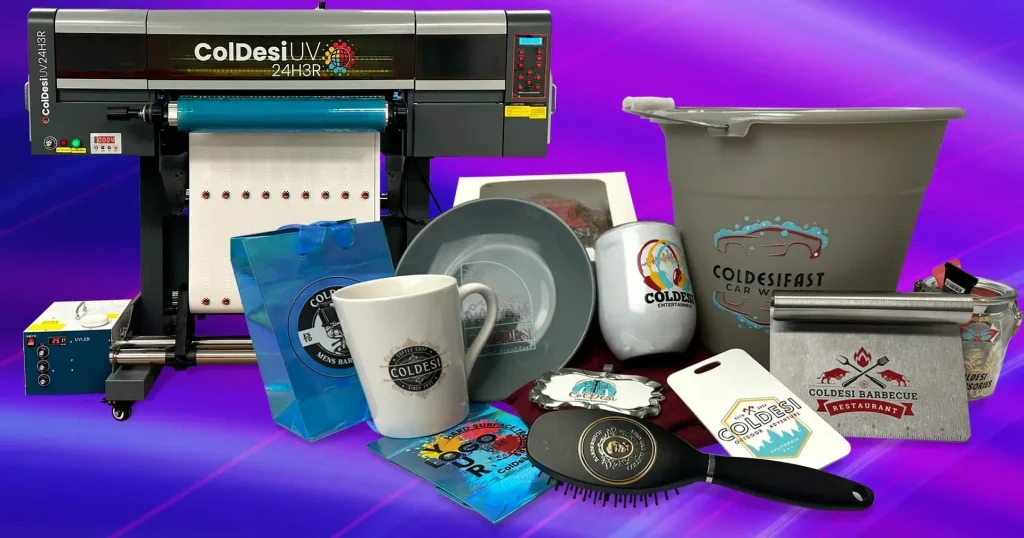
In the rapidly advancing landscape of printing technologies, UV DTF (Direct-to-Film) printing stands out as a revolutionary approach. By utilizing ultraviolet light, this technique not only enhances printing quality but also offers unmatched material compatibility across various substrates. Unlike traditional printing methods, UV DTF printing delivers vibrant results with faster production speed, making it an ideal solution for modern businesses. Moreover, its environmental considerations align with sustainability goals that are increasingly important in manufacturing today. As we delve deeper into the mechanics of UV DTF printing, it becomes clear that this innovative method is reshaping how industries approach their printing needs.
Known alternatively as ultraviolet direct-to-film printing, this innovative technique merges cutting-edge technology with the efficiency of direct transfer processes. By curing inks with UV light, this method addresses the challenges faced by traditional printing techniques, such as those involving silk screening and lithography. Businesses are now discovering the benefits of this modern printing solution, which offers enhanced durability and color intensity. Moreover, the flexibility in printing on a wide range of materials positions this method as a frontrunner for those looking to optimize production speed while maintaining high printing quality. As demand grows for eco-friendly options, this technique’s commitment to reducing harmful emissions places it at the forefront of sustainable printing.
UV DTF Printing: Revolutionizing Print Quality
UV DTF printing stands out in the crowded landscape of printing technologies primarily due to its exceptional print quality. Unlike traditional printing methods, which sometimes struggle to achieve intricate details and vibrant colors, UV DTF utilizes a unique curing process that locks in color brightness and precision. This means sharper images with richer colors that can withstand the test of time, providing businesses with products that not only look good but also perform well under various conditions.
Moreover, the quality of prints produced through UV DTF printing is consistent across different materials, whether it be textiles or metal substrates. This versatility in quality ensures that brands maintain a cohesive look across all their marketing materials, which is essential for brand identity. When businesses prioritize quality, choosing UV DTF printing clearly sets them apart from those still relying on traditional methods.
Material Compatibility: The Versatile Choice of UV DTF Printing
One of the defining advantages of UV DTF printing is its remarkable material compatibility. This printing technology can effectively handle a wide array of substrates, including textiles, plastics, and even hard surfaces like metals and glass. This flexibility opens up new avenues for businesses, allowing them to cater to a wider audience and meet diverse client demands with ease.
In contrast, traditional methods like screen printing are predominantly limited to fabrics, which restricts a company’s ability to diversify its product offerings. As businesses seek ways to tap into new markets, the material versatility offered by UV DTF printing becomes increasingly valuable. This ensures that companies can respond swiftly to trends and consumer needs without being tied down by the limitations of traditional processes.
Production Speed: Efficiency in the Printing Process
When it comes to fulfilling orders swiftly, UV DTF printing is a game-changer. The efficiency of this technology allows for quick turnaround times, especially in high-volume orders, which is a stark contrast to traditional methods like screen printing that require considerable setup time. With the ability to print directly on film and cure it instantly, businesses can expedite their production processes.
This speed advantage not only helps in meeting urgent deadlines but also enhances operational efficiency. By minimizing setup times and streamlining production, companies can focus more on scaling their output and managing larger orders, which is crucial in today’s competitive market. In an industry where every minute counts, UV DTF promptly addresses the need for speed without compromising on quality.
Environmental Impact: The Eco-Friendly Edge of UV DTF Printing
In an era where environmental responsibility is becoming increasingly crucial, UV DTF printing stands out due to its eco-friendly features. Unlike many traditional printing methods that rely on solvent inks which may release harmful volatile organic compounds (VOCs), UV DTF utilizes UV-cured inks that are non-toxic and safer for both the environment and the workforce. This commitment to sustainable practices is appealing not only to consumers but also to businesses looking to improve their environmental footprint.
Furthermore, the efficiency of UV DTF printing contributes to lesser waste in the production process, aligning well with sustainability goals. As more companies strive to find greener alternatives in their operations, UV DTF printing offers a robust solution that allows them to produce high-quality outputs while being mindful of their ecological impact, positioning themselves as leaders in sustainable manufacturing.
Cost Considerations: Evaluating the Financial Implications of UV DTF Printing
Cost is a significant factor in any printing decision, and while UV DTF printing may require a higher initial investment in advanced equipment, it offers long-term savings that can outweigh those upfront costs. The efficient production processes and reduced waste often result in lower operational costs over time. Businesses can benefit from faster production justifying the investment, especially when handling large orders or complex designs.
In comparison, traditional printing methods like screen printing may seem financially attractive due to lower initial costs; however, they can lead to increased expenses in labor and setup for smaller runs. As such, businesses should conduct thorough evaluations of their specific needs and financial goals, recognizing that the cost-effectiveness of UV DTF printing becomes more apparent in the context of production scale and efficiency.
Future Enhancements in UV DTF Printing Technology
The future of UV DTF printing looks promising, with continual advancements aimed at enhancing ink adhesion, print durability, and color range. Manufacturers are focused on minimizing production timelines and costs, further solidifying the position of UV DTF as a leading method in the printing landscape. As technology evolves, it is likely that the capabilities of UV DTF printing will expand, making it an increasingly appealing choice for businesses.
In addition to technological improvements, these advancements will likely align with market demands for more environmentally friendly printing solutions. This ongoing evolution ensures UV DTF printing remains competitive, and its adoption will likely increase as businesses seek efficient, high-quality, and sustainable printing technologies to meet the diverse needs of their client base.
Frequently Asked Questions
What is UV DTF printing and how does it compare to traditional printing methods?
UV DTF printing, or Ultra Violet Direct-to-Film printing, is a modern technique that combines elements of UV printing and DTF methods. Compared to traditional printing methods like screen printing or offset printing, UV DTF produces superior printing quality with vibrant colors and sharp details. The curing process with ultraviolet light enhances the detail and vibrancy of the prints, setting UV DTF apart from its traditional counterparts.
How does the printing quality of UV DTF printing compare to traditional printing processes?
UV DTF printing stands out for its exceptionally high printing quality, achieving vibrancy and detail that traditional printing methods often cannot match. Traditional methods, such as screen printing, may struggle with gradients or intricate designs due to limitations in ink blending and color range. In contrast, the precise curing technology used in UV DTF ensures sharper images and a more finished look.
What materials can be used with UV DTF printing compared to traditional printing methods?
One of the key advantages of UV DTF printing is its extensive material compatibility. It effectively prints on a wide range of substrates, including textiles, plastics, metals, and glass. Traditional methods are often limited; for example, screen printing is predominantly suitable for fabrics, while offset printing is primarily used for paper. Therefore, UV DTF provides greater flexibility for businesses looking to diversify their product offerings.
How does production speed in UV DTF printing compare to traditional printing methods?
UV DTF printing offers significantly faster production speeds than traditional printing methods. The streamlined process eliminates the need for multiple setup steps required in methods like screen printing, allowing for quicker turnaround on high-volume orders. Once the film is printed, it is rapidly cured, making it ready for transfer almost immediately, which is a major advantage over the labor-intensive processes of traditional printing.
What are the environmental considerations of UV DTF printing versus traditional printing methods?
When considering environmental impact, UV DTF printing is a more eco-friendly option. The UV inks used in this process are typically non-toxic and emit no volatile organic compounds (VOCs), unlike many traditional printing methods that rely on solvent-based inks, which can be harmful to both the environment and worker health. Therefore, UV DTF aligns better with sustainability goals for companies focused on reducing their carbon footprint.
What are the cost factors associated with UV DTF printing compared to traditional printing methods?
While UV DTF printing may require a higher initial investment for equipment, its long-term operational costs can be more efficient due to faster production times and reduced waste. In contrast, traditional methods like screen printing often have lower upfront costs but can incur higher expenses in setup and labor, especially for smaller batches. Businesses need to weigh these costs against their specific needs and production goals to find the most economical option.
| Criteria | UV DTF Printing | Traditional Printing Methods |
|---|---|---|
| Printing Quality | Superior color vibrancy and detail due to UV curing process. | Challenges with gradients and fine details due to limitations in ink blending. |
| Material Compatibility | Can print on textiles, plastics, metals, glass, etc. | Usually restricted to fabrics (screen printing) or paper products (offset printing). |
| Production Speed | Quick fulfillment of high-volume orders without multiple setups. | Labor-intensive with slower production due to setup for each design. |
| Environmental Impact | Uses non-toxic UV inks, aligning with sustainability goals. | May involve harmful chemicals and VOC emissions. |
| Cost Factors | Higher initial costs but potential long-term savings due to efficiency. | Lower upfront costs but higher setup and labor costs in the long run. |
Summary
UV DTF printing is revolutionizing the printing industry with its remarkable advantages over traditional methods. This innovative technology provides exceptional print quality, allowing for vibrant and detailed images that outperform older techniques. Its compatibility with a wide variety of materials makes it an adaptable choice for businesses looking to diversify their offerings. Furthermore, UV DTF printing boasts faster production speeds and environmentally friendly inks that contribute to sustainable practices. While there may be higher initial equipment costs, the operational efficiency of UV DTF can lead to cost savings over time. In a market that demands both quality and sustainability, embracing UV DTF printing could give businesses a significant edge.

