
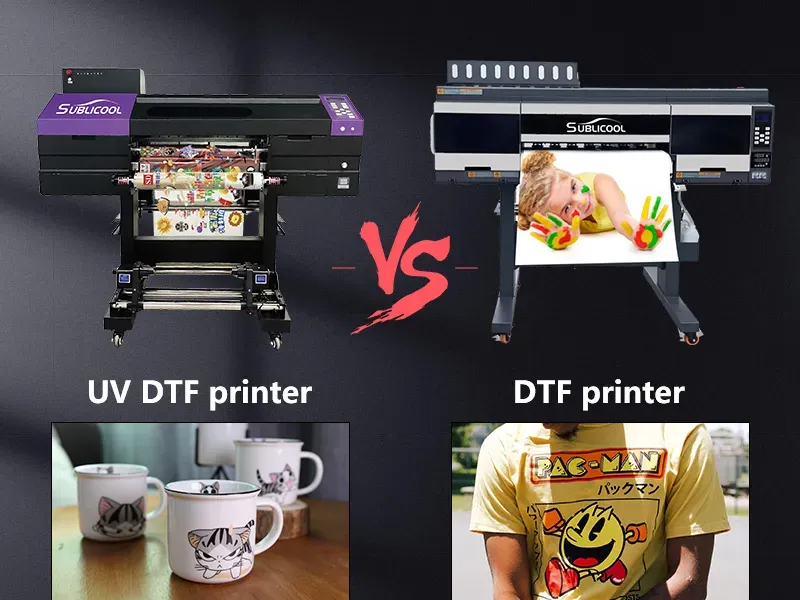
In the world of printing technology, the discussion surrounding UV DTF vs Traditional Printing is becoming increasingly important for businesses and creatives alike. As the printing industry adapts to meet diverse needs, understanding the differences between UV DTF (Direct to Film) and traditional printing methods can significantly impact your project results. UV printing, with its innovative approach, contrasts sharply with conventional methods that have stood the test of time. This article aims to provide a comprehensive examination of these two approaches, exploring their benefits and limitations to help you determine the best custom printing solutions for your requirements. Whether you’re looking for high-quality graphics or cost-effective production, understanding these printing techniques is essential for making informed decisions in today’s market.
In the ever-evolving landscape of printing technologies, distinguishing between UV DTF printing and conventional techniques is essential for achieving optimum results. UV DTF, short for Direct to Film, employs advanced methods to deliver crisp, vivid images, while classic approaches, such as screen printing and lithography, rely on more traditional, often slower processes. This exploration into the differences between these two methods will provide valuable insights for hobbyists and business owners alike seeking the best printing solutions. The rise of contemporary UV printing technologies challenges the effectiveness of older traditional methods, stirring discussions about efficiency, material compatibility, and overall output quality in the print industry. Join us as we navigate through these two contrasting approaches to find the perfect fit for your creative endeavors.
The Evolution of Printing Technology
Printing technology has undergone significant transformations over the last few decades. From the advent of digital techniques to advanced inkjet systems, each innovation offers unique solutions for graphic design needs. UV DTF, a modern printing method, showcases the evolution of printing by combining speed and versatility. Its ability to print on various substrates—including textiles, plastics, and even metals—demonstrates the demand for more customizable solutions in the market.
Traditional printing methods, such as screen printing and offset printing, dominated the industry for many years due to their cost-effectiveness in high-volume productions. However, as consumer demand shifted toward more personalized products, newer technologies like UV DTF began to rise. As we look at the printing landscape today, it’s clear that both UV DTF and traditional printing have their places, appealing to different groups based on their specific project requirements.
Exploring the Benefits of UV DTF Printing
One of the standout features of UV DTF printing is its unmatched versatility. Unlike traditional printing methods that often dictate the materials you can work with, UV DTF can seamlessly print on fabrics, metals, wood, glass, and other unconventional surfaces. This opens opportunities for businesses and hobbyists to create a broader range of products, from custom apparel to promotional items that truly stand out in the marketplace.
Moreover, UV DTF printing excels in achieving high-quality results with incredible detail. The curing process that UV inks undergo leads to vibrant colors and sharp lines, crucial for branding materials where image quality is paramount. This precision is particularly beneficial for small business owners looking to establish a strong visual identity through their products.
The Advantages of Traditional Printing Methods
Traditional printing methods, while seemingly less flexible than UV DTF, do possess distinct advantages, especially in terms of cost efficiency for large-volume orders. For businesses engaged in mass production, such as t-shirt companies or print shops, traditional methods can significantly reduce the cost per unit, making them the go-to option for large batches.
Additionally, established traditional printing techniques tend to have a well-understood operational framework, including color accuracy and production timelines. Businesses that have invested in these methods may find it easier to maintain consistency in quality and output, leading to greater customer satisfaction for ordered products.
Comparative Analysis: UV DTF vs Traditional Printing
When choosing between UV DTF and traditional printing, a comparative analysis can illuminate the best option based on specific needs. For instance, UV DTF’s ability to print on diverse materials gives it a competitive edge in creative projects requiring flexibility. It acts favorably for custom printing solutions where detail, durability, and vibrant colors are crucial.
On the other hand, traditional printing methods may still reign supreme in terms of economic viability for larger runs. While UV DTF printers have come down in price, traditional setups may still offer better margins for businesses focused solely on volume rather than diverse applications. Understanding these differences allows individuals and businesses to align their choice with their operational goals.
Challenges Associated with UV DTF Printing
Despite its many benefits, UV DTF printing is not without challenges. As a relatively new technology, users often encounter a learning curve associated with operating and maintaining the equipment effectively. Adjusting print settings and understanding the nuances of different materials can take time and experimentation, which might discourage newcomers.
Additionally, the initial costs of UV DTF printers can be higher compared to some traditional models, alongside maintenance expenses.” This factor might pose a barrier for small businesses or individuals who want to start printing without significant upfront investments. Recognizing these challenges is essential for potential users to make informed decisions.
The Future of Printing Technologies
As the industry continues to evolve, the future of printing technologies like UV DTF looks promising. With advancements in machinery and lowering costs, more individuals and businesses are likely to invest in this innovative printing method. The increasing interest in personalized products and the demand for high-quality outputs will further drive the growth of UV DTF printing in the market.
Conversely, traditional printing methods continue to adapt, experimenting with hybrid technologies that blend traditional advantages with modern flexibility. This means businesses must stay ahead of trends, continually assessing which methods best suit their needs as printing technology advances. A willingness to embrace these changes will be key to thriving in the graphics-driven world.
Frequently Asked Questions
What are the main differences between UV DTF vs Traditional Printing methods?
UV DTF printing uses UV light to cure inks instantaneously on various surfaces, resulting in high-detail and durable prints. In contrast, traditional printing methods such as screen printing rely on ink absorption, limiting material versatility and print detail.
Is UV DTF printing more cost-effective than traditional printing for small runs?
Yes, UV DTF printing is often more cost-effective for small custom projects due to its lower setup costs and versatility compared to traditional printing, which typically incurs higher initial expenses and is better suited for high-volume production.
What are the advantages of UV DTF vs Traditional Printing technologies?
UV DTF offers advantages including versatility in material usage, faster curing times, and superior print durability. Traditional printing excels in high-volume production and cost efficiency for large batches but has limitations in material types and flexibility.
When should I choose UV DTF printing over traditional printing methods?
Opt for UV DTF printing when you need high-quality, detailed designs on a variety of materials, particularly for custom short runs. Traditional printing is better suited for large quantities where cost and speed are the primary concerns.
Can UV DTF printing provide better durability than traditional printing methods?
Yes, UV DTF printing provides enhanced durability thanks to its UV curing process, which makes prints resistant to fading and wear. Traditional printing may not offer the same longevity depending on the materials and inks used.
What type of projects are best suited for UV DTF vs Traditional Printing solutions?
UV DTF is ideal for custom projects requiring intricate designs on various surfaces like fabric and metal, making it perfect for unique promotional items. Traditional printing is better suited for large-scale productions like t-shirts or posters where uniformity and volume are key.
| Factors | UV DTF Printing | Traditional Printing |
|---|---|---|
| Versatility | Can print on fabrics, wood, metal, glass, and plastics. | Limited to specific materials. |
| Print Quality | High resolution up to 1440 DPI, excellent for details. | Effective, but less capable of high-resolution details. |
| Durability | UV-cured inks resist fading and scratching. | Durability varies based on inks and setup. |
| Initial Costs | Higher initial investment for equipment. | Lower setup costs for large runs. |
| Learning Curve | Users may need to adjust settings for optimal use. | More straightforward with established techniques. |
| Production Scale | Ideal for custom small to medium runs. | Best suited for high-volume productions. |
Summary
UV DTF vs Traditional Printing involves a crucial decision-making process for anyone in need of quality printing solutions today. UV DTF printing offers remarkable versatility and superior print quality, allowing users to explore an expansive range of materials while ensuring durability and resistance to wear. In contrast, traditional printing excels in high-volume production where cost efficiency and straightforward processes are paramount. Ultimately, the best choice between UV DTF and traditional printing hinges on your specific project requirements, desired outcomes, and budget constraints. By understanding these key differences, individuals and businesses alike can elevate their printing endeavors and create remarkable products that stand out in an increasingly competitive marketplace.

