
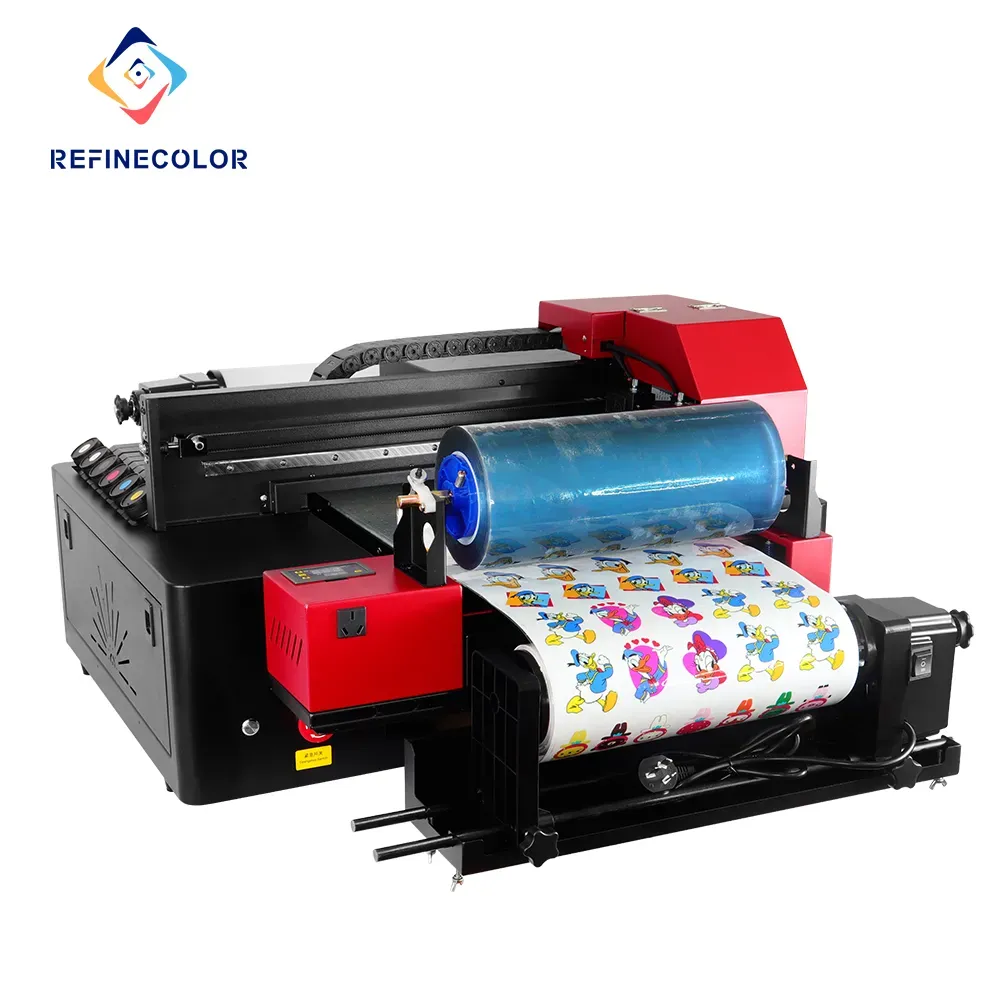
UV DTF (Direct to Film) printing has emerged as a groundbreaking technique in the world of modern printing, renowned for its exceptional quality and flexibility. As businesses seek to differentiate themselves with customizable products, grasping the nuances of UV DTF is crucial for making a memorable impact in the competitive printing landscape. This guide delves deeply into the benefits of UV DTF, ranging from its versatility across various substrates to the durability it promises, ensuring long-lasting quality for customers. Additionally, we will outline best practices for UV DTF to aid printers in achieving superior results. By understanding how UV DTF technology works, businesses can leverage this innovative printing method to enhance their product offerings.
In recent years, direct to film (DTF) printing technology utilizing ultraviolet (UV) inks has significantly reshaped the printing industry. This cutting-edge method offers remarkable advantages, including the ability to print on a wide variety of materials and produce striking, high-resolution designs. With a focus on sustainability, UV DTF printing is tailored to meet the demands of environmentally conscious consumers, making it an appealing choice for modern enterprises. Moreover, by exploring effective strategies for executing UV DTF projects, businesses can ensure optimal performance and aesthetically pleasing results. Understanding these dimensions of DTF printing is essential for anyone aiming to excel in the ever-evolving landscape of custom printing.
Exploring the Process of UV DTF Printing
UV DTF printing, or Direct to Film printing, starts with high-quality UV inks that are applied to a special film using a digital printer. This process allows for vibrant colors to be printed directly onto the film, which can then be transferred onto various surfaces using heat and pressure. The transition from the film to the material is where this technology shines, as it provides a durable and long-lasting print. The entire process runs smoothly, ensuring that the UV inks adhere well to the substrate, preserving the design’s integrity.
The effectiveness of UV DTF printing is due not only to its unique application method but also to the technology behind it. Utilizing ultraviolet light to cure the inks ensures that the print is hardened immediately, reducing production time and enhancing efficiency. This rapid curing process is essential for achieving high-quality images that stand up to the rigors of daily use and handling. It showcases how UV DTF is a revolutionary choice in modern printing methodologies.
The Advantages of Using UV DTF Technology
One of the standout advantages of UV DTF technology is its versatility across various substrates. Unlike traditional printing methods that may be limited to specific materials, UV DTF can successfully print onto textiles, plastics, metals, and more. This flexibility enables businesses to diversify their product offerings, catering to a broader market. For example, companies can use this technology to produce customized apparel, promotional items, or even signage, all while maintaining high print quality regardless of the material.
Furthermore, the benefits of UV DTF extend to environmental sustainability. Many UV inks used in this process are compliant with eco-friendly standards, allowing businesses to produce offerings that appeal to environmentally conscious consumers. This gives UV DTF a competitive edge in today’s market where sustainability is increasingly important. By choosing UV DTF, businesses not only benefit from the superior quality of their prints but also align their practices with customer values.
Understanding the Best Practices for UV DTF Printing
To achieve top-notch results in UV DTF printing, adhering to best practices is crucial. One foundational practice is ensuring proper printer calibration. Regularly calibrating your printer helps maintain accurate color output and prevents common printing issues. Additionally, ensuring that your artwork files are correctly prepared can make a significant difference; using high-resolution images with appropriate color profiles can enhance print quality.
Taking the time to carefully select the right substrate is another essential best practice. Not all materials respond the same way to UV DTF inks, and conducting thorough tests can help determine which substrates yield the best results for various applications. By investing effort in these practices, businesses can enhance the efficiency and quality of their UV DTF printing, leading to better customer satisfaction and potentially increased sales.
Durability and Longevity of UV DTF Prints
A key selling point of UV DTF printing is the durability of the products it produces. Prints created through this method are designed to withstand the test of time, resisting fading, water damage, and scratches. This is particularly advantageous for items like apparel or promotional goods that are likely to be used frequently and subjected to various environmental factors. Customers can enjoy their designs for longer, maintaining the appearance and vibrancy that UV DTF is known for.
Moreover, UV DTF prints are less prone to wear over time compared to traditional printing methods. The hardening process enabled by UV light creates a strong bond between the ink and the substrate. This characteristic not only increases the longevity of the prints but also positions UV DTF as a wise investment for businesses aiming to produce high-quality, long-lasting products that uphold their brand’s reputation.
Cost-Effectiveness of UV DTF Printing
For businesses looking to manage costs without sacrificing quality, UV DTF printing presents a compelling solution. The ability to print on-demand means that companies can reduce waste associated with excess inventory, making it a cost-effective option, especially for smaller runs or customized items. This on-demand printing capability allows businesses to offer tailored products without the need for large upfront investments.
Additionally, the technology utilized in UV DTF printing contributes to its affordability. The efficient curing process minimizes time and resources needed for production, which can lead to increased profit margins. As a result, small businesses or startups can enter the market with unique, high-quality offerings at a fraction of the cost, thus leveraging UV DTF technology to compete effectively.
Innovations and Future of UV DTF Printing
As the printing industry evolves, innovations in UV DTF technology continue to emerge, promising even more exciting possibilities. Advances in ink formulations and printer capabilities are streamlining the process and further enhancing the quality of prints. Moreover, manufacturers are consistently seeking ways to make UV DTF even more eco-friendly, allowing businesses to meet growing consumer demand for sustainable options while maintaining their competitive edge.
Looking to the future, we can anticipate the integration of AI and automation into UV DTF printing processes. Such enhancements will likely improve efficiency and accuracy, allowing businesses to produce higher-quality products in less time. As UV DTF technology adapts and grows, those who stay at the forefront of these developments will be better positioned to leverage its advantages and offer innovative products that satisfy the changing needs of customers.
Frequently Asked Questions
What is UV DTF printing and how does it work?
UV DTF printing utilizes ultraviolet inks to create vibrant designs on a special film. This film is then heat-pressed onto various materials, allowing for high-resolution prints with exceptional color quality and detail.
What are the benefits of UV DTF printing for custom apparel?
The benefits of UV DTF printing include its versatility across materials, vibrant color output, and exceptional durability. These features make it an ideal choice for producing custom apparel that can withstand frequent use and remain visually appealing.
How can businesses ensure high-quality results in UV DTF printing?
Best practices for UV DTF printing include proper printer calibration, careful material selection, high-resolution artwork preparation, and applying protective coatings post-printing. These steps help maintain print quality and durability.
Is UV DTF printing eco-friendly?
Yes, UV DTF printing can be eco-friendly. Many UV inks are compliant with environmental standards, making this printing technology a sustainable choice compared to traditional methods, which can attract environmentally conscious consumers.
Can UV DTF printing be cost-effective for small runs?
Absolutely! UV DTF printing is cost-effective, especially for short runs and customized products. It minimizes waste and allows businesses to print on demand, making it an ideal option for startups and small enterprises.
What safety standards must be followed when using UV DTF technology?
When using UV DTF technology, it is important to adhere to safety standards by ensuring proper ventilation in the workspace and wearing appropriate safety gear, thus protecting operators when handling inks and materials.
| Key Points | Description |
|---|---|
| Versatility Across Materials | UV DTF printing works with various materials such as cotton, polyester, canvas, and leather. |
| Vibrant Colors and Exceptional Details | This printing method produces vivid colors and intricate designs, ensuring high-resolution output. |
| Durability | UV DTF prints are resistant to fading, scratching, and water damage, ensuring longevity. |
| Eco-Friendly Options | Many UV inks meet environmental regulations, providing a sustainable printing solution. |
| Cost-Effectiveness | UV DTF printing minimizes waste and allows for on-demand production, making it economical. |
| Proper Printer Calibration | Ensure accurate color matching and high quality through regular maintenance and calibration. |
| Material Selection | Testing different substrates helps achieve the best results for your printing applications. |
| Artwork Preparation | Use high-resolution graphics to guarantee a sharp finish and optimize designs for DTF. |
| Post-Printing Treatment | Applying a protective coating can enhance durability and offer better environmental protection. |
| Adhering to Safety Standards | Maintain safety by ensuring proper ventilation and wearing safety gear in the workspace. |
Summary
UV DTF is an innovative printing technology that combines quality, versatility, and sustainability, making it an attractive choice for businesses in the custom printing market. By leveraging the benefits of UV DTF printing, such as vibrant color reproduction, material adaptability, and eco-friendliness, businesses can meet the growing demands of customers for high-quality customized products. This guide emphasizes the importance of best practices, from printer calibration to material selection, to achieve optimal results in UV DTF printing. Adopting these strategies not only ensures durability but also enhances the overall quality of the prints, positioning businesses to stand out in a competitive landscape.

