
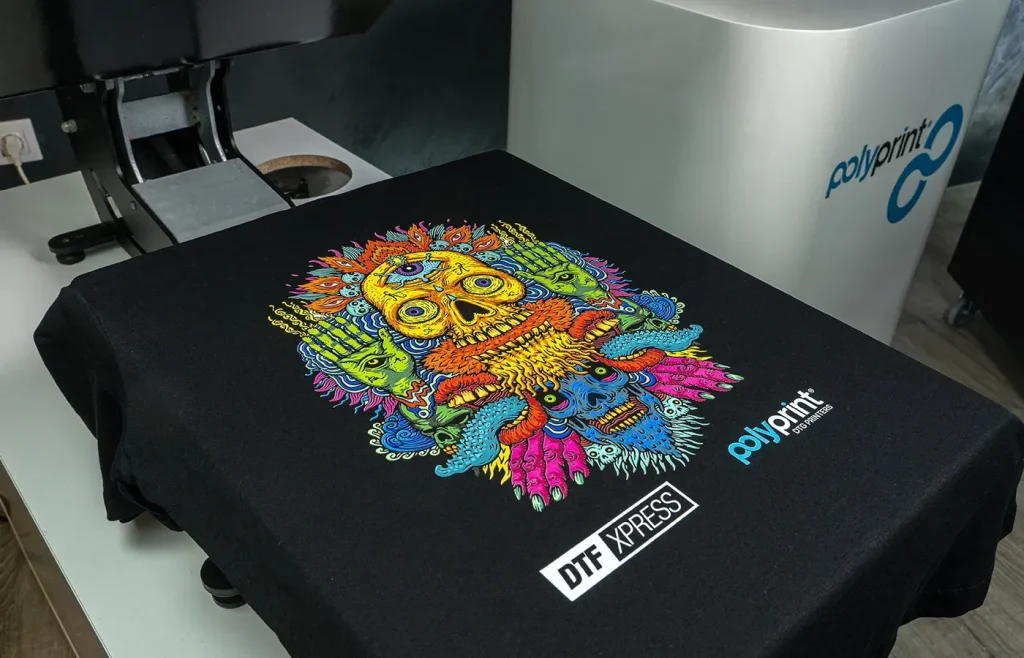
DTF printing, or Direct-to-Film printing, is revolutionizing the way we approach textile production by offering an eco-friendly alternative to traditional printing methods. This innovative technology utilizes advanced water-based inks that are not only non-toxic but also reduce the overall environmental impact of printing operations. As a sustainable solution, DTF printing minimizes waste, allowing businesses to create only what is necessary, thereby promoting a more responsible production cycle. With growing awareness about the need for sustainable practices, DTF technology is emerging as a frontrunner in delivering high-quality prints while prioritizing environmental conservation. In this article, we will explore how DTF printing stands at the intersection of creativity and sustainability, reshaping the future of eco-friendly printing solutions.
Direct-to-Film technology is gaining traction in the world of textile printing, often celebrated for its ability to produce vibrant, high-quality images with minimal ecological impact. In fabric decoration and apparel production, this method has proven to be a sustainable alternative, reducing waste and making use of non-toxic inks. By streamlining production processes, various printing enterprises are adopting this innovative system to meet the rising demand for greener practices. As industries strive to address the pressing environmental challenges, it’s essential to consider alternatives like this that embody eco-conscious principles in their operations. In this discussion, we will uncover the multifaceted advantages of using DTF as a cutting-edge solution in the quest for sustainable printing.
Understanding DTF Printing Technology
Direct-to-Film (DTF) printing represents a significant advancement in the world of textile production. This innovative method focuses on transferring designs directly onto a special film that is then applied to fabrics through heat. What sets DTF apart is its efficiency and simplicity; it eliminates the lengthy processes and harmful chemicals often associated with traditional printing techniques. With DTF printing, designers and manufacturers can achieve high-quality, vibrant results without sacrificing eco-friendliness, making it an appealing choice for modern businesses.
The DTF printing process is celebrated for its versatility, allowing a wide range of materials to be printed upon. From cotton to polyester, DTF technology adapts to various fabric types while maintaining detail and color vibrancy. As a result, it is particularly beneficial in the textile industry, where designers are looking for methods that not only yield high-quality prints but also align with sustainable practices. By streamlining production and ensuring minimal waste, DTF stands at the forefront of eco-friendly printing solutions.
Eco-Friendly Advantages of DTF Printing
One of the primary advantages of DTF printing is its significant reduction in waste during the production process. Traditional methods like screen printing often leave behind excess materials that contribute to environmental degradation. DTF, however, ensures that production meets demand closely, which minimizes leftover fabric and other materials. This waste reduction strategy is integral to sustainable printing practices, emphasizing the industry’s shift towards environmentally responsible production.
Moreover, the use of water-based inks in DTF printing further solidifies its eco-friendly reputation. Unlike solvent-based inks, which can be detrimental to both environmental and human health, water-based options create lower emissions and lessen toxic exposure during manufacturing. This choice not only protects the well-being of workers in the textile production chain but also ensures that the final products are safe for consumers, reinforcing the importance of sustainability in printing.
Energy Efficiency in DTF Printing
Energy consumption is another crucial factor where DTF printing outshines less sustainable printing methods. By utilizing streamlined processes that consume less power, DTF printers contribute to a reduced carbon footprint. Their efficient use of heat transfer and quick production times not only lower energy bills for businesses but also foster a more sustainable textile industry. As more companies prioritize energy efficiency, DTF printing stands ready to meet these new demands.
The advancement in DTF technology reflects a broader industry trend towards embracing energy-efficient practices. Manufacturers are increasingly aware of their environmental impact, leading to a collective effort to innovate and reduce power usage. DTF printing’s capacity to achieve more with less energy is a compelling argument for its adoption in sustainable printing strategies, highlighting how efficiency can coexist with high standards of quality and precision.
The Role of DTF in Sustainable Textile Production
As the conversation around eco-friendly printing solutions intensifies, DTF technology is emerging as a pivotal player in sustainable textile production. With its ability to produce vivid designs while minimizing waste, DTF caters not only to consumers yearning for quality but also to businesses looking to enhance their environmental responsibility. This alignment of quality with sustainability is critical in today’s market where eco-consciousness is paramount.
Furthermore, DTF printing supports the broader movement toward sustainable practices by reducing the environmental impact of conventional printing methods. By paving the way for cleaner processes that prioritize the use of non-toxic materials and demand-driven production, DTF technology encourages a shift in the industry. The promise of DTF to contribute positively to eco-friendly printing solutions makes it a vital resource for brands aiming to align their operations with sustainability goals.
Innovative Trends in DTF Printing
Innovations in DTF printing technology are crucial for setting industry standards, as showcased at recent expos like the DTF Expo in Phoenix. Leading manufacturers highlighted cutting-edge heat transfer systems that enhance the versatility of DTF applications, making the technology accessible to various markets. These innovations not only showcase DTF’s adaptability but also reflect a commitment to sustainability, pushing the printing industry towards responsible practices.
The excitement surrounding DTF-related innovations indicates a proactive approach towards sustainable printing. As more companies adopt these technologies, there’s an expectation for ongoing developments that will further reduce waste and improve energy efficiency. Staying updated with these trends allows businesses to harness the full potential of DTF printing, ensuring they remain competitive while adhering to sustainable practices.
Future Prospects of DTF Printing in Eco-Friendly Practices
Looking ahead, the future of DTF printing appears promising in the context of sustainable practices. With continuous advancements in technology, DTF is set to play a critical role in reducing the environmental impact of printing in the textile industry. As manufacturers increasingly adopt eco-friendly printing methods, the demand for DTF technology is likely to rise, resulting in innovative solutions that further bolster sustainability efforts.
Moreover, as consumers become more discerning about their purchasing habits, brands are compelled to commit to eco-friendly practices. DTF printing aligns with this shift by offering an environmentally responsible alternative without compromising on quality. The integration of DTF technology into sustainable business strategies presents a unique opportunity for companies to not only meet consumer demands but also drive positive change in the industry.
Frequently Asked Questions
What are the key benefits of DTF printing for sustainable printing initiatives?
DTF printing offers several key benefits for sustainable printing initiatives, including significant waste reduction in textile production, the use of non-toxic water-based inks, and increased energy efficiency. By minimizing excess materials and utilizing eco-friendly inks, DTF technology contributes to a more sustainable printing process.
How does DTF technology minimize the environmental impact of printing?
DTF technology minimizes the environmental impact of printing by reducing waste generated during production, utilizing non-toxic inks that emit fewer VOCs, and being more energy-efficient compared to traditional printing methods. This approach aligns with eco-friendly printing practices and promotes sustainability in the industry.
Is DTF printing a viable option for eco-friendly textile production?
Yes, DTF printing is a viable option for eco-friendly textile production. Its efficient use of resources, minimal waste generation, and reliance on non-toxic materials make it an excellent choice for companies aiming to adopt sustainable printing practices while maintaining high-quality results.
What do companies need to consider when adopting DTF printing technology for sustainable printing?
When adopting DTF printing technology for sustainable printing, companies should consider the cost of equipment, the learning curve for staff, and the sourcing of eco-friendly inks and materials. Additionally, they should evaluate how DTF technology aligns with their overall sustainability goals and operational strategies.
How does DTF printing compare to traditional printing methods in terms of eco-friendliness?
DTF printing is generally more eco-friendly than traditional printing methods like screen printing, as it produces less waste, utilizes water-based inks, and requires less energy for production. This makes DTF a favorable choice for businesses looking to minimize their environmental impact while producing quality prints.
What innovations in DTF printing contribute to its status as an eco-friendly printing solution?
Recent innovations in DTF printing include advanced heat press technology and improved film formulations that enhance ink adhesion and reduce overall ink usage. These advancements not only optimize production efficiency but also reinforce DTF printing’s reputation as an eco-friendly solution in textile production.
| Key Points | Description |
|---|---|
| What is DTF Printing? | An innovative technique that prints high-quality images directly onto a special film and then transfers onto fabric using heat presses. |
| Waste Reduction in Apparel Production | Minimizes waste by allowing precise production, reducing offcuts, and aligning with demand. |
| Non-Toxic Materials | Uses water-based inks that are non-toxic, minimizing exposure to harmful chemicals and fostering healthier production environments. |
| Energy Efficiency | Requires less energy than traditional printing methods due to streamlined processes, aiding in lower carbon footprints. |
| Vibrant Colors with Less Ink | Produces detailed designs with less ink due to superior adhesion properties, reducing costs and environmental impact. |
| Innovations Showcased at Recent DTF Events | Recent expos displayed advancements in DTF technology that emphasize its sustainability and versatility in printing. |
| The Future of DTF and Sustainability | DTF printing is expected to play a significant role in sustainable manufacturing due to its efficiency and eco-friendliness. |
Summary
DTF printing is emerging as a leading choice for eco-friendly printing solutions, offering a range of benefits that align with sustainable practices. This innovative method minimizes waste and uses non-toxic materials, making it an ideal option for businesses aiming to reduce their environmental impact. As the printing industry continues to evolve, the adoption of DTF technology is expected to increase, driven by its capacity to produce high-quality results while maintaining efficiency and sustainability. By embracing DTF printing, companies can not only elevate their printing processes but also contribute to a greener future, aligning their business strategies with the important goal of environmental responsibility.