
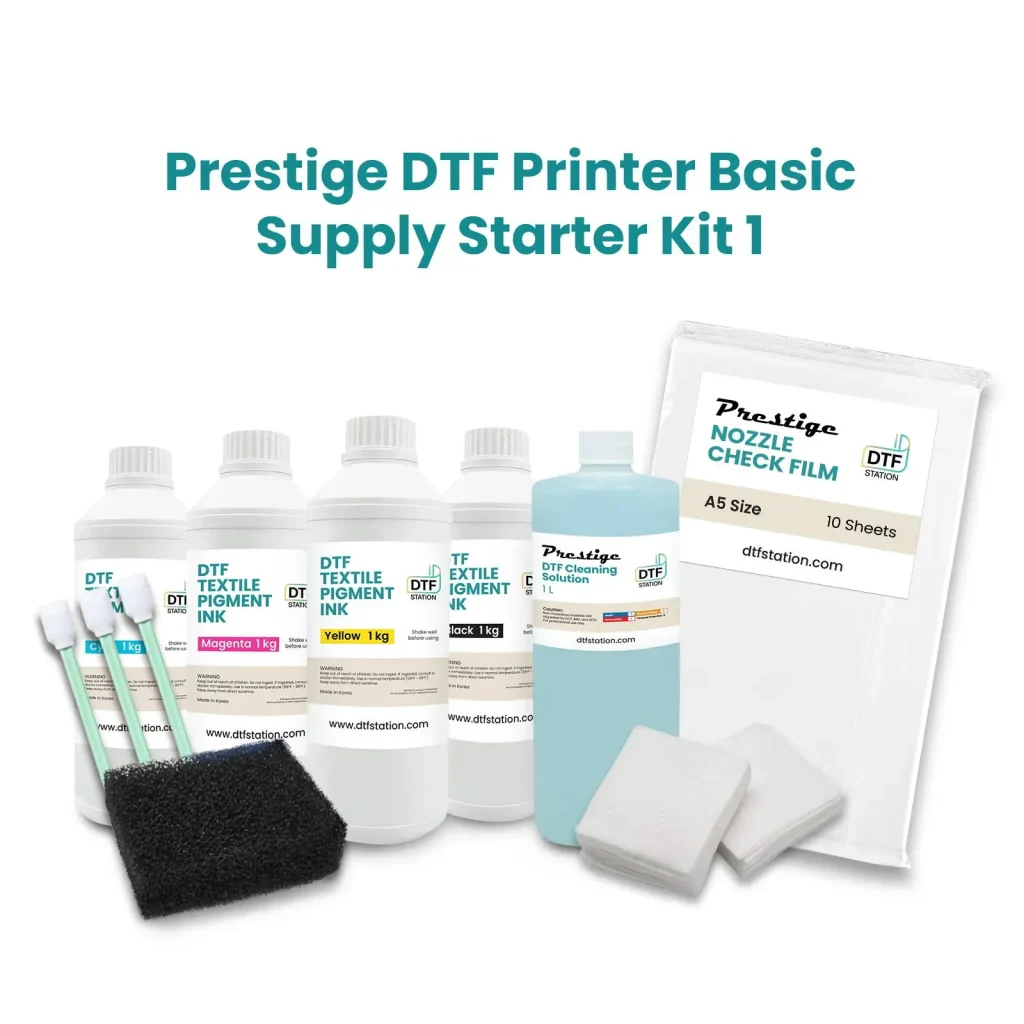
DTF supplies are essential tools that empower businesses in the rapidly evolving world of garment printing. As the popularity of Direct to Film (DTF) printing continues to rise, understanding the necessary DTF printing materials becomes vital for achieving vibrant and durable designs. Whether you’re exploring how to use DTF supplies for the first time or seeking the best DTF printers to enhance your operations, the right preparation ensures success. This guide will delve into DTF transfer techniques and explore how high-quality DTF inks can drastically improve your printing outcomes. By the end, you’ll be equipped to navigate the exciting landscape of DTF technology confidently.
Essentially, DTF supplies encompass a variety of printing materials and tools crucial for the DTF printing process. These include specialized transfer films, inks tailored for adhesion, and equipment like heat press machines that help bring designs to life on fabric. Knowing how to effectively utilize these materials and understanding their properties can lead to remarkable outcomes in custom garment printing. Alternatives terms often associated with DTF supplies involve direct-to-film materials, transfer technology, and print-enhancing elements. This comprehensive guide will clarify these components and their roles, ensuring you are ready to make the most of your DTF printing journey.
Understanding DTF Printing Materials
DTF printing materials play a crucial role in the overall quality and effectiveness of your prints. The primary components of DTF printing materials include DTF transfer film, DTF inks, and hot melt powder. Each of these components contributes to the vibrancy and durability of the final product. High-quality transfer film is designed to absorb the inks effectively, ensuring that the colors remain vivid and that the design adheres well to various fabrics.
Moreover, the choice of DTF inks can significantly influence the outcome of your prints. Utilizing high-quality DTF inks, which are specially formulated to achieve the best results, ensures not only adherence to the transfer film but also longevity on the fabric once the transfer is complete. Incorporating premium DTF printing materials into your workflow can elevate the quality of your designs and help you stand out in the competitive garment printing market.
Choosing the Best DTF Printers
When it comes to achieving the best results in DTF printing, selecting the right DTF printer is paramount. The best DTF printers are those that offer high resolution, consistent color quality, and speed. Options like the LOKLiK iPrinter DTF-A3-XP600 are renowned for their reliability and user-friendly features, making them ideal for both seasoned professionals and newcomers to DTF printing.
Additionally, compatibility with various DTF printing materials plays a significant role in the functionality of a printer. Many top-quality DTF printers can easily handle different film and ink types, allowing for versatility in your printing projects. By investing in the best DTF printer available, you ensure that your creative visions translate into beautiful, high-quality garments that reflect your brand’s commitment to excellence.
Using DTF Supplies Effectively
Understanding how to effectively use DTF supplies is essential for achieving stunning prints. The fundamental steps involve accurately printing your design onto the DTF transfer film, ensuring that you are mindful of color profiles and printer settings. Next, while the ink is still moist, applying hot melt powder is necessary to facilitate a robust bond between the ink and the fabric during the heating process.
Moreover, it’s vital to meticulously preheat your heat press to the right temperature for your fabric type, typically around 320°F (160°C) for optimal adhesion. Each step from printing to pressing should be executed with precision to maximize the effectiveness of your DTF supplies. By mastering these techniques, you can ensure that your prints not only look fantastic but also maintain their quality over time.
Best Practices for DTF Transfer Techniques
Implementing best practices when using DTF transfer techniques can vastly improve your printing outcomes. One essential practice is pre-pressing your fabric to eliminate moisture, which can undermine adhesion and affect the overall finish of your designs. Additionally, experimenting with different fabric types can help you identify the best combinations for your specific needs, as results may vary significantly depending on the material used.
Regular maintenance of your printer and associated DTF supplies is equally important. Keeping your printer clean and using high-quality inks and films will prevent common issues associated with DTF printing. By regularly evaluating your techniques and maintaining your tools, you can ensure consistency and high-quality results for every project.
Common Mistakes to Avoid in DTF Printing
Avoiding common mistakes in DTF printing can save time and resources while ensuring high-quality results. One of the most prevalent errors is not correctly configuring printer settings according to your fabric type or the specific DTF transfer materials being used. A mismatch can lead to poor print results, causing unnecessary waste and frustration.
Another critical mistake to steer clear of is bypassing the hot melt powder step. Omitting this part of the process can lead to adhesion failures and result in fading prints. Emphasizing the quality of your DTF supplies—such as inks and transfer films—is also vital; investing in high-grade materials will significantly enhance the final product and help you avoid printing errors.
The Future of DTF Supplies and Technology
The future of DTF supplies and technology looks promising as advancements in printing materials and processes continue to evolve. With the integration of innovative dyes and coatings, the vibrancy and durability of DTF prints are expected to improve even further. New technologies in printer capabilities will also enable users to experiment with a broader range of fabrics and textures.
Moreover, as the DTF printing market grows, so do the options for suppliers and materials. This increase in competition often leads to better quality products at more affordable prices, making DTF printing more accessible for small businesses and independent creators. Embracing these advancements not only enhances quality but also opens up new creative avenues for designers looking to make their mark in the industry.
Frequently Asked Questions
What are the essential DTF supplies for successful printing?
To successfully engage in DTF printing, you need essential supplies including DTF transfer film for capturing designs, high-quality DTF inks for vibrant colors, hot melt powder for adhesion, a DTF printer for optimizing quality, and a heat press machine to apply heat and pressure.
How do I choose the best DTF printer for my needs?
Choosing the best DTF printer involves selecting one with high resolution, speed, and user-friendly features. Look for reputable options like the LOKLiK iPrinter, which is designed for high-quality outcomes and is suitable for both beginners and experienced users.
What steps should I follow on how to use DTF supplies effectively?
To effectively use DTF supplies, start by printing your design on DTF transfer film, apply hot melt powder while the ink is wet, preheat your heat press, press the transfer onto your fabric, and allow it to cool before peeling away the film.
What are the common DTF transfer techniques I should know about?
Common DTF transfer techniques include proper printing techniques that ensure quality, applying hot melt powder correctly to ensure adhesion, and using appropriate heat press settings to maximize durability and vibrancy of the prints on various fabrics.
Why is using high-quality DTF inks crucial for printing success?
Using high-quality DTF inks is crucial because they ensure excellent adhesion to the transfer film, enhance color vibrancy, and guarantee longevity and durability on fabric, ultimately leading to better-quality prints that withstand washing and wear.
What mistakes should I avoid when using DTF printing materials?
Common mistakes to avoid include using incorrect printer settings, skipping the application of hot melt powder, neglecting the quality of DTF supplies, and failing to pre-press your fabric, as these can lead to poor adhesion and subpar results.
| Key Supply | Description |
|---|---|
| DTF Transfer Film | Essential for capturing designs and transferring them onto fabric, ensuring vibrant prints. |
| DTF Inks | Specialized inks that ensure adhesion to the transfer film and longevity on fabrics, available in CMYK for vibrant colors. |
| Hot Melt Powder | Adhesive powder applied while the ink is wet, melting to bond the print to the fabric for enhanced durability. |
| DTF Printers | High-quality printers, such as the LOKLiK iPrinter, essential for producing outstanding results with various print sizes. |
| Heat Press Machine | Used to apply heat and pressure to transfer the design onto the fabric, critical for adhesion and results. |
Summary
DTF supplies are essential for anyone looking to enhance their garment printing capabilities. From DTF transfer film and specialized inks to a reliable heat press, each component plays a crucial role in creating vibrant and durable prints. By investing in high-quality DTF supplies, following best practices, and avoiding common mistakes, you can ensure your DTF printing projects yield professional results that stand out in the market. With this guide, you’re equipped to navigate the exciting world of DTF printing and unlock its full potential.

