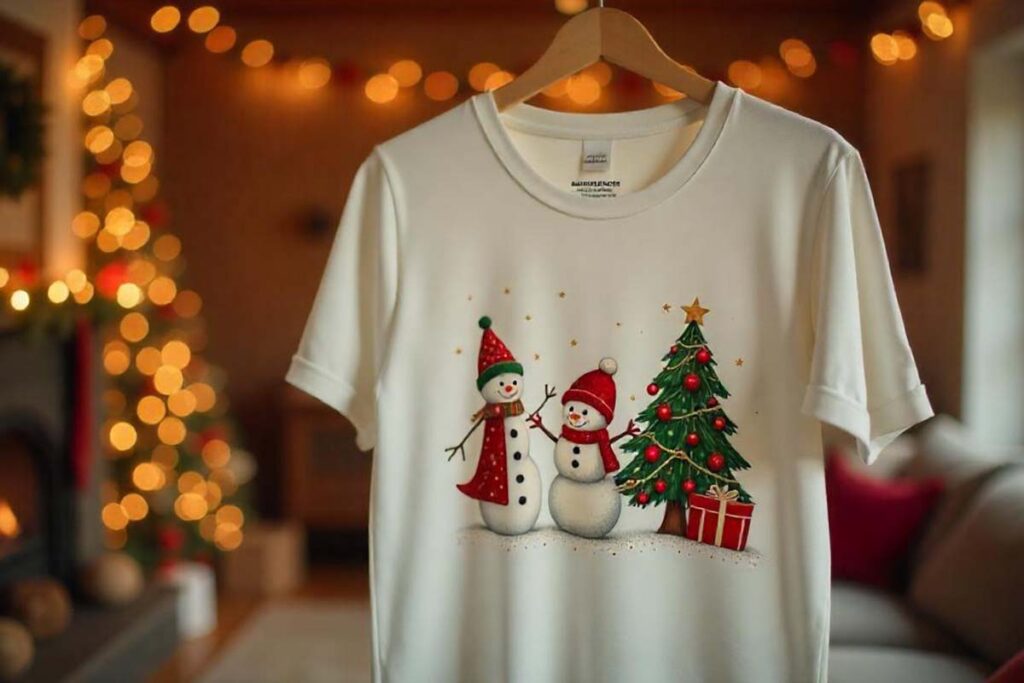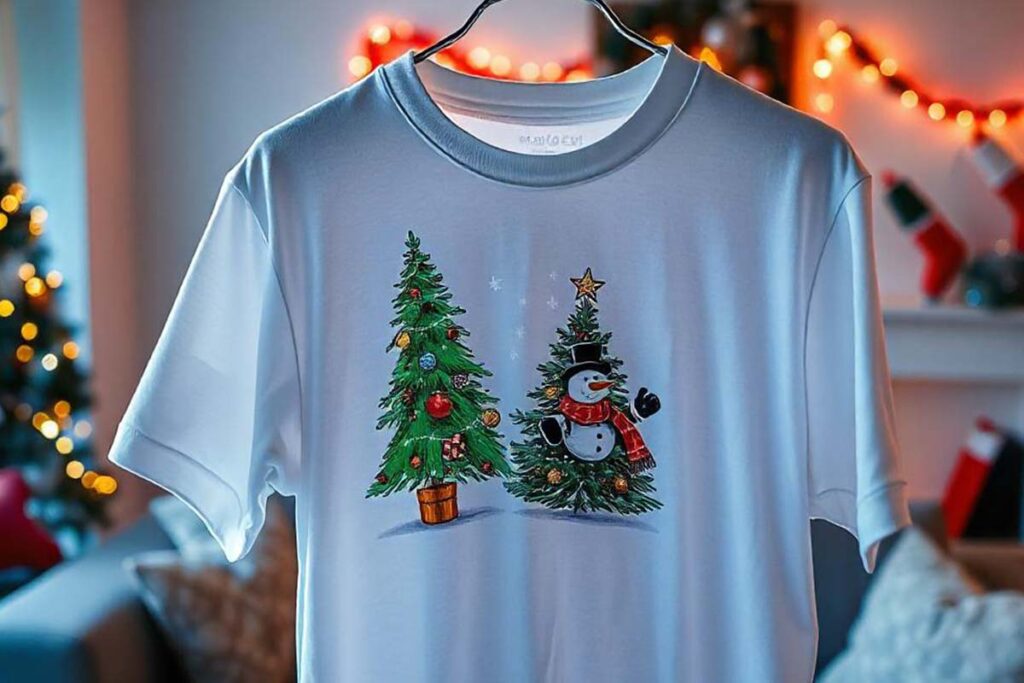
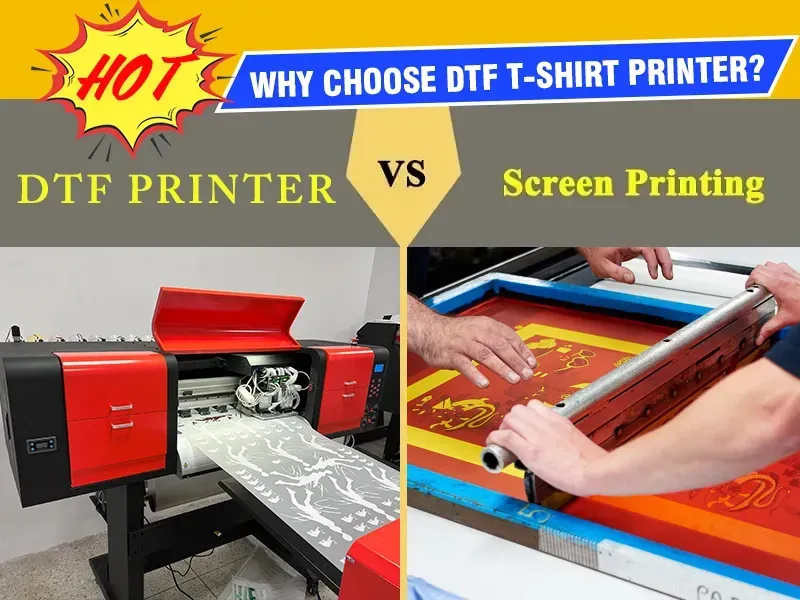
In the vibrant arena of custom apparel printing, the comparison between DTF vs. screen printing is crucial for anyone looking to create high-quality garments. Direct-to-Film (DTF) printing has emerged as a revolutionary technique, enabling vivid designs to be transferred onto various fabrics with ease. Conversely, screen printing remains a time-honored method known for its durability, but is often more labor-intensive and less adaptable for diverse designs. Understanding these printing methods comparison is essential for businesses aiming to make informed decisions that align with their creative and operational goals. As we explore DTF printing and screen printing, you’ll discover the unique advantages of each method and how they cater to different printing needs.
When considering options for fabric printing techniques, the choice between DTF printing and traditional screen printing often surfaces. DTF, or Direct-to-Film, utilizes innovative technology for transferring eye-catching designs onto apparel, making it a modern favorite among businesses. In contrast, screen printing, which employs a classic stenciling process, has long been praised for producing robust and long-lasting prints. As we delve into the intricacies of these two custom apparel printing methods, it becomes evident that each offers distinct benefits and challenges that cater to various production requirements. This exploration will help clarify which printing approach might best suit your specific needs.
Understanding the Production Process of DTF vs. Screen Printing
The production processes for Direct-to-Film (DTF) printing and screen printing present significant differences that impact the efficiency and feasibility of each technique. In the DTF process, designs are printed onto a specialized film, which is then heat-pressed onto garments. This method allows for faster turnaround times, even on small orders, making it a favored choice for small businesses looking to offer customized apparel. The simplicity of the DTF production process also reduces the complexity and resource wastage typically associated with traditional printing methods.
Conversely, screen printing relies on creating separate screens for each color of the design, which necessitates a more labor-intensive setup especially for multi-color designs. Though this method can provide cost benefits for large production volumes, it limits flexibility for smaller runs. As such, the production process between DTF and screen printing not only affects efficiency but also influences businesses’ ability to meet customer demands quickly in a competitive marketplace.
Quality Comparison: DTF vs. Screen Printing
Quality is paramount when it comes to custom apparel printing, and this is where DTF and screen printing diverge significantly. DTF printing is praised for its ability to produce vibrant colors and photorealistic images without compromising fabric feel. This results in designs that maintain both striking visuals and the softness of the garment, making it ideal for applications where intricate details and color fidelity are required. Moreover, DTF prints can seamlessly integrate into the fabric structure, offering a smooth finish that does not detract from the garment’s comfort.
In contrast, while screen printing is renowned for its durability and longevity, it can struggle to replicate fine details and subtle color gradients. This limitation becomes especially evident with complex designs that demand precision. Screen prints often create a thicker layer on the fabric, which may affect the garment’s breathability. Thus, when comparing the quality of outputs from DTF and screen printing, it becomes clear that the choice will largely depend on the design’s complexity and the desired tactile quality of the end product.
Current Market Trends in Custom Apparel Printing
The custom apparel market is evolving rapidly, and both DTF and screen printing are experiencing shifts in popularity. DTF printing has recently gained traction, particularly in the print-on-demand sector, where rapid delivery and customization are becoming essential. This increase in demand has led to advancements in technology, including the availability of compact DTF printers, making it more accessible for small businesses and entrepreneurs seeking to utilize this efficient printing method.
On the other hand, screen printing continues to hold a strong position in traditional markets, especially for large-scale production runs. Brands that focus on high-volume orders often prefer screen printing due to its cost-effectiveness in bulk printing. As consumer preferences shift towards personalized and unique designs, the market is seeing a blend of these two printing methods to satisfy diverse demands, indicating a dynamic convergence of technology and consumer needs in the custom apparel industry.
Environmental Implications of DTF and Screen Printing
As sustainability emerges as a critical concern for brands and consumers alike, the environmental impact of printing methods is more relevant than ever. DTF printing is recognized for its environmentally friendly advantages, as it generates less waste and promotes more effective resource management throughout the printing process. This reduction in waste and efficiency aligns well with the growing public demand for sustainable practices in the textile industry.
In contrast, traditional screen printing methods often result in higher levels of fabric waste and chemical runoff due to the use of screen emulsions and inks. As more eco-conscious brands seek to adopt sustainable practices, the preference for DTF printing will likely increase, providing a viable solution that meets ethical and environmental standards while fulfilling consumer demand for high-quality custom apparel.
Financial Considerations: Investment in DTF vs. Screen Printing
Investing in printing technology is a significant decision for businesses, reflecting broader industry trends and future potential. One of the compelling advantages of DTF printing is its lower upfront investment compared to full-scale screen printing setups, which require multiple screens, inks, and specialized equipment to manage the production of large designs. With DTF’s capacity for quick adjustments and smaller batch sizes, businesses can adapt to market changes without incurring substantial costs.
Screen printing, while traditional and proven, requires heavier initial investments for equipment and setup. This investment can be justified when dealing with large orders. However, for businesses that are smaller or that operate on a more flexible basis, the financial implications of sticking to screen printing could be a deterrent. As more companies recognize the cost-effectiveness of DTF equipment and technology upgrades, the industry is likely to see a paradigm shift in how investment decisions are made, favoring innovative printing methods.
Customer Preferences: Choosing Between DTF and Screen Printing
Understanding customer preferences is crucial when deciding between DTF and screen printing. Today’s consumers often prioritize not only the quality and durability of their apparel but also the customization options available. DTF printing has emerged as a favorite due to its ability to produce vibrant, high-quality prints that can be customized for individual orders without significant delays. Customers are drawn to the potential for unique, personalized designs that DTF provides, aligning with current trends in the fashion and apparel industry.
Screen printing, while still respected for its longevity and reliability, may not appeal as strongly for one-off custom requests due to its setup requirements and longer production times. However, for bulk orders where consistency and durability take precedence, screen printing remains a viable option. Understanding which method aligns with consumer expectations is essential for brands aiming to capture loyalty in a competitive market.
Frequently Asked Questions
What are the main advantages of DTF printing compared to screen printing?
DTF printing offers several advantages over screen printing, including vibrant color output, the ability to print intricate designs with fine details, and quicker production times for smaller orders. It’s also more versatile, working well on various fabric types, which makes it ideal for custom apparel printing.
How does the production process of DTF vs. screen printing differ?
The production process for DTF printing involves printing designs onto a film that is then heat transferred onto the garment, allowing for quick and easy setup, especially for small runs. In contrast, screen printing requires creating a separate screen for each color, making it more time-consuming and less efficient for small quantities.
Is DTF printing more environmentally friendly than screen printing?
Yes, DTF printing is considered more environmentally friendly than screen printing. It generates less waste and allows for better resource management during the printing process. As eco-consciousness grows in the apparel industry, DTF printing’s sustainability advantages make it a preferred choice for many brands.
Can screen printing achieve the same quality as DTF printing?
Screen printing is known for its durability but may not achieve the same quality as DTF printing, particularly in reproducing intricate designs and color gradients. DTF printing excels in photorealistic reproduction and maintains the softness of the fabric, which can be a limitation with screen printing.
What market trends are influencing the choice between DTF and screen printing?
The growing popularity of DTF printing, particularly in the print-on-demand sector, is influencing market trends. Compact DTF printers are becoming more accessible, reflecting an industry shift towards this method. Meanwhile, screen printing remains favored for larger production runs where cost-efficiency is crucial.
Which printing method is more cost-effective for custom apparel production?
Screen printing tends to be more cost-effective for large orders due to reduced costs per unit as the volume increases. However, for smaller quantities and complex designs, DTF printing can provide a more economical solution due to lower setup costs and faster turnaround times.
| Key Points | Direct-to-Film (DTF) Printing | Screen Printing |
|---|---|---|
| Production Process | Designs are printed on film and transferred using heat, allowing for quicker prints, especially for small or intricate orders. | Requires multiple screens for each color, making it less efficient for small runs. |
| Quality of Output | Known for vibrant, photorealistic images and softness on fabric. | Durable but may struggle with fine details and color gradients. |
| Market Trends | On the rise in print-on-demand markets with new DTF printers being released. | Popular for large-scale production due to cost-effectiveness in bulk orders. |
| Environmental Impact | Produces less waste and is more resource-efficient. | Higher waste and resource consumption compared to DTF. |
| Investment and Growth | Companies increasingly investing in DTF technology to meet market demands. | Still common for bulk orders but seeing a shift toward DTF due to market changes. |
Summary
DTF vs. Screen Printing presents two distinct approaches to custom apparel printing, each with its unique advantages tailored to different needs. As the market evolves, DTF printing is gaining traction thanks to its ability to produce vibrant designs quickly and efficiently, especially for small orders. Conversely, screen printing remains a tried-and-true method favored for large-scale orders due to its cost-effectiveness and durability. Ultimately, the choice between DTF and screen printing should revolve around your specific requirements—be it high-quality visuals, environmental consciousness, or production scale. Understanding these differences empowers businesses and consumers to select the right printing method that aligns with their values and operational needs.