
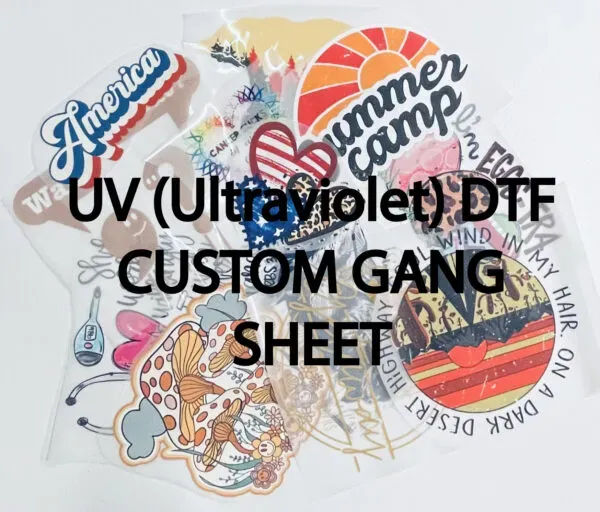
In the dynamic world of digital printing, **UV DTF Gangheet** has emerged as a revolutionary technique that transforms the way we create and apply designs. This innovative process utilizes UV printing technology and Direct to Film (DTF) printing, allowing artists and businesses to achieve stunning prints with remarkable vibrancy and durability. With the right design tips for UV DTF, individuals can maximize their designs and captivate their audience. From meticulous preparation of artwork to the selection of appropriate materials, embracing UV DTF printing techniques opens up a spectrum of possibilities. Let’s explore how to leverage this technology for your next printing project, turning ordinary designs into extraordinary masterpieces.
Also referred to as UV Direct to Film printing, this method has quickly gained traction in the print industry due to its efficiency and flexibility. By focusing on UV ink that cures instantly when exposed to UV light, this printing approach allows for high-quality outputs on a variety of substrates, offering a significant advantage over traditional printing methods. Whether you are looking to enhance your artistic expressions or create promotional materials, understanding direct film transfer printing strategies can propel your designs to new heights. As you delve into the essentials of UV DTF technology, you’ll discover tricks to streamline your workflow and achieve eye-catching results that resonate with your target audience.
The Evolution of UV Printing Techniques
In the world of printing, innovation is a constant force, particularly seen in the evolution of UV printing techniques. Initially, UV printing involved a more straightforward application process limited to specific materials. However, advancements have transformed UV printing into a versatile tool capable of producing high-quality designs across various substrates. The latest methods enhance not only the color vibrancy but also the durability of prints, allowing for wider applications in both the personal and commercial realms. Understanding this evolution can give designers insight into how to leverage UV technology effectively.
Today’s UV printing techniques, particularly those that involve Direct to Film (DTF) processes, have taken a giant leap forward. This evolution allows for greater design freedom and impacts how businesses approach print jobs. Business owners and designers equipped with knowledge of the latest techniques are better positioned to maximize their output through experimentation and adaptation to client needs. As UV printing continues to advance, it signifies a promising future for the industry where creativity and technology weave seamlessly together.
Mastering Design Tips for UV DTF Printing
Effectively designing for UV DTF printing requires an understanding of both aesthetic principles and technical capabilities. One key tip is to maintain a clear focus on high-resolution artwork. Images that are crisp and clear at 300 DPI will translate into prints with strong visual impact, which is essential for capturing attention. Additionally, using contrasting colors can significantly enhance the final output; vibrant hues paired with dark backgrounds can create stunning visuals that pop off a variety of substrates.
Another essential design tip is to utilize the full potential of UV DTF technology by incorporating layered designs. This means utilizing various colors effectively and experimenting with textures to create a more dynamic visual experience. Designers can maximize their palettes by combining glossy and matte elements to differentiate between layers or design components. This multidimensional approach not only adds depth to the design but also elevates the overall quality of the print, ensuring that the finished product stands out in a competitive marketplace.
Effective Artwork Preparation for UV DTF Gangheet
Preparing artwork for UV DTF Gangheet printing is crucial in achieving optimal results. The first step is to ensure that all images are correctly formatted and high resolution. A common pitfall in print design is the use of low-resolution images; this can lead to pixelated outputs that diminish the impact of the design. Therefore, investing in high-quality images from the start will pay off in the long run—ensuring your finished prints maintain clarity and appeal.
Additionally, implementing color management strategies is vital during the artwork preparation phase. This process includes utilizing color profiles that match your selected printing materials. By doing so, designers can maintain consistent colors from the design phase through to the final print. Proper color management not only prevents disappointing mismatches but also enhances the overall fidelity of the designs, resulting in sharp, vibrant outputs that reflect the artist’s original vision.
Selecting the Right Materials for UV DTF Printing
The success of UV DTF printing heavily relies on the materials chosen for the job. High-quality transfer films specifically designed for UV printing are essential; these materials improve adhesion and clarity, ensuring that the printed designs look pristine once transferred. Furthermore, utilizing UV-curable inks that complement your choice of film will enhance the final product’s durability and vibrancy. A well-thought-out selection process can make a significant difference in print quality.
It’s also important to experiment with various substrates to find the best combinations for your specific designs. Each substrate reacts differently to UV curing, which can affect the overall adhesion and print quality. By sampling materials before committing to a larger print run, designers can prevent costly errors and ensure that their designs achieve the desired effect across all applications. Testing different substrates in smaller batches allows for greater creativity and innovation in final products.
Optimizing Printer Settings and Calibrations
Printer calibration is a critical aspect of achieving top-notch outputs in UV DTF printing. Each model has unique requirements, so understanding how to adjust settings such as curing time and temperature based on your specific materials is indispensable. Regular maintenance of the printer—including the UV lamp and printheads—ensures flaws are minimized, enhancing the longevity and quality of the prints. A well-calibrated machine translates directly into better prints, allowing for consistent quality that satisfies both clients and creative vision.
In addition to printer calibration, it’s vital to assess the optimal print conditions in your workspace. Factors such as room temperature and humidity can surprisingly influence ink curing times and overall print adhesion. Maintaining a controlled environment helps to ensure that your prints are flawless, negating issues such as warping or peeling. By recognizing these variables and adjusting accordingly, you can maximize your printing efficiency and output quality.
Creative Exploration with UV DTF Gangheet Applications
Exploration and creativity are at the heart of UV DTF printing, allowing designers to break traditional boundaries and experiment with their work. The technology invites innovation through various effects such as glossy, matte finishes, or even unique textures that can elevate any design. Embracing this experimental approach can help distinguish your work from competitors, fostering a signature style that clients recognize and appreciate. This freedom to explore adds an exciting dimension to the creative process.
Keeping abreast of industry trends related to UV DTF printing is essential for continuous improvement. Engaging with online communities, attending workshops, and following influential design blogs will provide insights into the latest tools, techniques, and best practices. By keeping your skills and knowledge fresh, you can continue to push the envelope and refine your artwork and applications. Ultimately, staying updated allows you to effectively utilize UV DTF Gangheet technology to its fullest potential, resulting in stunning, memorable prints.
Frequently Asked Questions
What is UV DTF Gangheet and how does it work?
UV DTF Gangheet, or UV Direct to Film printing, is a modern printing technology that uses UV light to cure inks on a special transfer film. This process ensures that designs are vibrant and durable, making UV DTF suitable for a wide range of substrates like fabric, metal, and wood.
How can I maximize my designs using UV DTF Gangheet?
To maximize your designs with UV DTF Gangheet, start with high-resolution artwork, implement effective color management, and select the right transfer films and UV-curable inks. Experiment with different substrates and maintain proper printer calibration for optimal results.
What are the advantages of using UV DTF printing techniques?
The advantages of UV DTF printing techniques include vibrant color output, high durability of prints against environmental factors, and versatility in printing on a variety of materials. This makes UV DTF a favorite for creating long-lasting, eye-catching designs.
What are some design tips for UV DTF Gangheet printing?
When designing for UV DTF Gangheet printing, use at least 300 DPI for high-resolution images, stick to a manageable color palette, and incorporate bold elements that stand out. Testing your designs on different substrates before mass production is also crucial.
How can I ensure my prints are durable with UV DTF Gangheet?
To ensure durability in your UV DTF Gangheet prints, use quality transfer films and UV-curable inks, calibrate your printer settings accurately, and apply your transfers with even pressure and temperature. A final clear coat can also add protection.
Is it necessary to test different substrates for UV DTF Gangheet printing?
Yes, testing different substrates is essential for UV DTF Gangheet printing. Each material can affect how the UV ink adheres and cures, which can ultimately influence the print quality and longevity of the final product.
| Key Point | Details |
|---|---|
| UV DTF Technology Overview | Combines digital and transfer printing techniques using UV-curable inks that bond instantly to transfer films for vibrant and durable prints. |
| Advantages of UV DTF | Offers vibrant colors, excellent durability, and versatility for various substrates (glass, wood, metal, and fabric). |
| Artwork Preparation | Use high-resolution images (300 DPI minimum) and implement color management techniques to ensure accurate reproduction. |
| Material Selection | Choose high-quality films and compatible UV-curable inks for better output; test different substrates for optimal results. |
| Printer Calibration | Calibrate printer settings for optimal colors and quality, considering factors like curing time and environmental conditions. |
| Application Techniques | Apply transfers with even pressure; consider a clear coat finish for added protection and a polished look. |
| Creativity in Design | Experiment with various effects and stay updated with industry trends to enhance your UV DTF printing style. |
Summary
UV DTF Gangheet technology represents a groundbreaking advancement in printing, enabling designers to elevate their work with exceptional vibrancy and durability. This innovative approach combines digital precision with versatile application on numerous substrates, catering to both personal and commercial needs. To effectively utilize UV DTF Gangheet, it is crucial to understand the technical aspects, prepare high-resolution artwork, select the right materials, and apply optimal printing techniques. Additionally, embracing experimentation and creative exploration can lead to unique designs that stand out in a competitive market. As you harness the power of UV DTF printing, ensure that your creations are not only visually stunning but also built for longevity and impact.

