
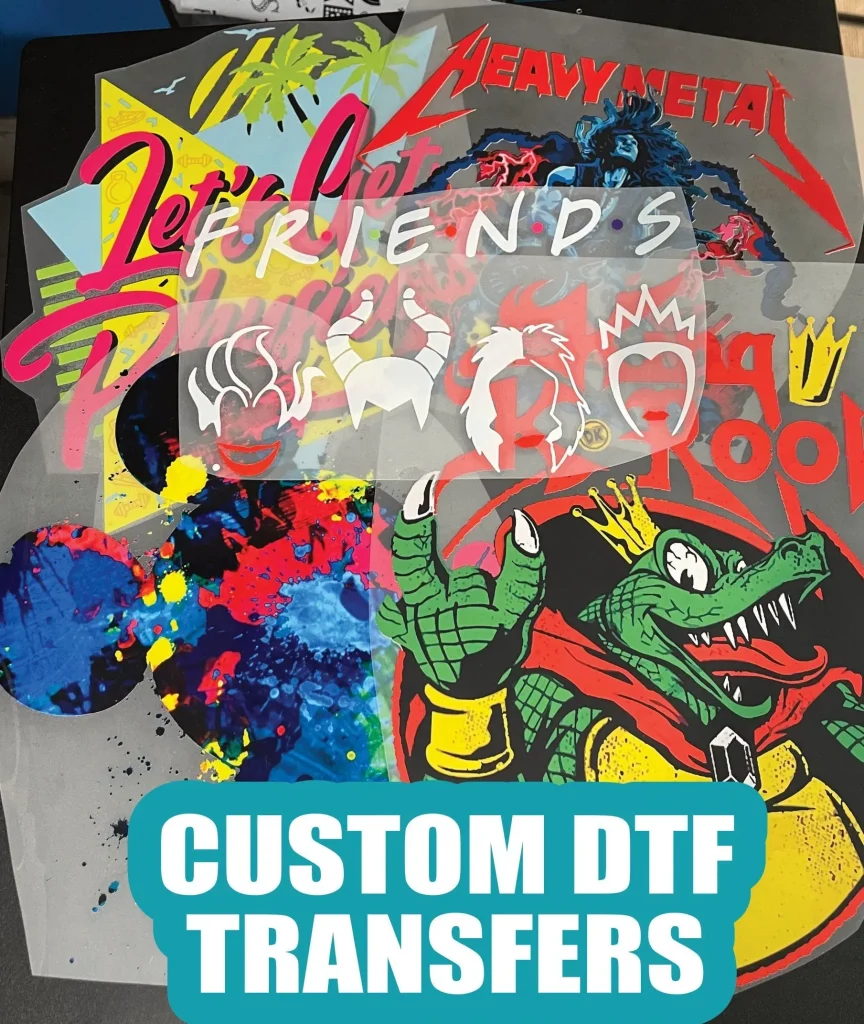
DTF Transfers, or Direct to Film Transfers, represent a game-changing approach in the realm of fabric transfer printing. This innovative printing technique provides an exceptional way to create vivid designs that can be easily applied to a range of materials, catering to both established businesses and enthusiastic hobbyists. The DTF transfer process not only emphasizes versatility but also showcases the intricate detail capabilities that make it a popular choice over traditional methods. In this guide, we will delve into the many advantages of DTF transfers, explore how they compare to methods like screen printing, and highlight essential tips for maximizing your printing projects. Understanding the nuances of DTF transfers can significantly enhance your creative endeavors, whether you’re designing custom apparel or promotional items.
Also known as direct-to-film printing, DTF Transfers bring forth a fresh perspective on fabric customization that is both exciting and practical. This method harnesses advanced technology to simplify the fabric transfer printing process, allowing users to print directly onto specialized films for vibrant, detailed results. With its unique DTF printing vs screen printing advantages, this approach not only offers improved quality but also greater ease of use, making it accessible for a broad audience—including small business owners and DIY enthusiasts. As we explore the intricacies of DTF transfers, you’ll discover why this modern printing solution is rapidly gaining popularity in the textile industry. Join us as we uncover the details of how to make the most of this transformative technique.
Understanding the DTF Transfer Process
The DTF transfer process stands out from older methods thanks to its innovative use of films and adhesives. The journey begins with high-quality printing onto a specialized DTF film, which is crucial for achieving intricate details that elevate your fabric designs. After printing, an adhesive powder is evenly applied to the wet ink, ensuring that the final transfer adheres well to the fabric without any hassle. Once this step is complete, the design is cured using a heat press, solidifying the adhesive’s bond with the ink.
After curing, the transfer is finally positioned on the desired fabric. Utilizing heat press technology once again ensures a uniform application of heat, which is crucial for achieving vibrant and long-lasting designs. Once the material has cooled, peeling away the transfer film reveals a stunning design that should now withstand multiple washes, thanks to the advanced properties of the DTF transfer process.
Frequently Asked Questions
What are DTF Transfers and how do they work?
**DTF Transfers**, or Direct to Film Transfers, utilize a specialized printing process where designs are printed on film. The printed film is then coated with adhesive powder and cured using a heat press. Once prepared, the transfer can be applied to various fabrics with another heat press to adhere the design.
What are the advantages of using DTF Transfers compared to other methods?
The advantages of **DTF Transfers** include versatility in application on different fabric types, excellent durability that ensures designs last through multiple washes, and ease of use that simplifies the printing process compared to **screen printing**. Additionally, DTF printing is cost-effective for small businesses and crafters.
How do DTF Printing and Screen Printing differ?
**DTF Printing** allows for more intricate designs and is suitable for a wider range of fabrics compared to **screen printing**, which is often limited to certain materials and styles. DTF transfers also require less setup and can be more cost-effective for small batch production.
Can DTF Transfers be used on all types of fabrics?
Yes, **DTF Transfers** are versatile and can be applied to various fabrics including cotton, polyester, and blends. This flexibility makes them ideal for creating diverse products like t-shirts, hoodies, and promotional items.
What challenges might I face when working with the DTF transfer process?
While the **DTF transfer process** is user-friendly, challenges may include ensuring proper film and adhesive application and mastering heat settings to avoid issues such as fading or peeling. Adequate training in handling the materials is recommended for best results.
Why should I consider DTF Transfers over other fabric transfer printing methods?
Consider **DTF Transfers** for their ability to produce vibrant and detailed designs on numerous fabric types while maintaining durability. Compared to other fabric transfer printing methods, DTF offers an effective balance of quality, cost, and ease of use, making it a preferred choice for many creators.
| Key Points | Details |
|---|---|
| What are DTF Transfers? | A printing technique using special films to transfer designs to fabric. |
| Advantages of DTF Transfers | 1. Versatility: Suitable for various fabric types, including cotton and polyester. 2. Durability: Designs withstand multiple washes without fading. 3. Ease of Use: Simple process requiring minimal setup. 4. Cost-effectiveness: Accessible for small businesses and hobbyists. |
Summary
DTF Transfers have become a game changer in the fabric printing industry, allowing for stunning and durable designs on a wide range of materials. This innovative method combines versatility, durability, and ease of use, making it an ideal choice for creators of all skill levels. Whether used for custom clothing, promotional materials, or personal craft projects, understanding the benefits and process of DTF transfers is essential for anyone looking to elevate their printing capabilities.

