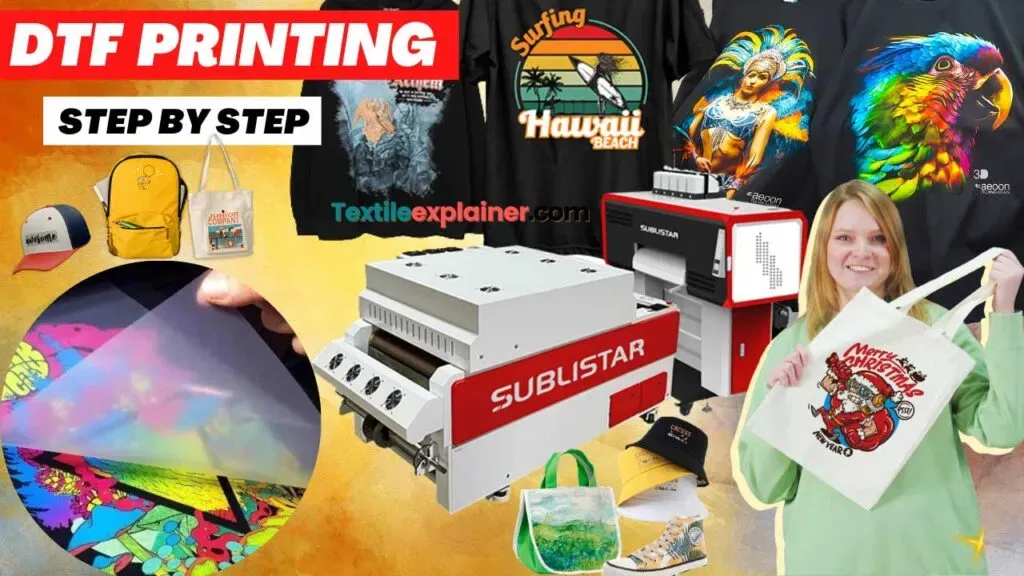
DTF printing techniques are revolutionizing the garment printing landscape, making it possible to achieve vibrant and detailed designs with minimal waste. Standing for Direct-to-Film printing, this innovative method enables artists and manufacturers to print directly onto transfer film, paving the way for exciting possibilities in custom apparel. Armed with the right DTF printing tips and tricks, both beginners and seasoned professionals can elevate their print game and deliver impressive results. As a sustainable printing technique, DTF highlights eco-friendly practices by reducing material waste while catering to the demands of a vibrant fashion marketplace. In this guide, we’ll delve into essential practices and insights that will help you master DTF printing and become a standout in the realm of garment printing methods.
Direct-to-Film printing, often referred to as film transfer printing, has gained traction for its ability to produce high-quality images on a diverse range of fabrics. This technique is being increasingly favored by both hobbyists and industry professionals looking for effective garment printing solutions. By using a specialized transfer film and inks, practitioners can create intricate designs that stand out for their color vibrancy and durability. In this article, we’ll uncover some of the best practices and innovative strategies, sometimes labeled as DTF printing tricks, to optimize your workflow and achieve exceptional prints. The growing interest in this method highlights the necessity for systematic approaches that embrace sustainable printing techniques while addressing consumer desires for custom apparel.
Exploring Direct-to-Film Printing Techniques
Direct-to-Film (DTF) printing techniques have transformed the garment printing landscape, providing an innovative alternative to traditional methods. By using a transfer film, DTF printing allows for exceptional detail and color saturation that can easily adapt to various fabric types. The ability to print intricate designs with remarkable precision is a significant advantage for artists and manufacturers alike.
In addition to creating vibrant designs, DTF printing techniques enable printers to generate a durable product that withstands washing and everyday wear without fading. The process also minimizes waste, aligning with the industry’s growing focus on sustainability. Overall, the precision and efficiency of DTF printing techniques make them a preferred choice for many in the garment industry.
Quality Tips for Successful DTF Printing
To achieve exceptional results with DTF printing, several quality tips should be considered. First and foremost, selecting the right type of transfer film is essential; it greatly influences the vibrancy and detail of the final print. Investing in high-quality DTF films specifically designed for your printing needs will ensure that your prints are sharp and eye-catching.
Additionally, it’s crucial to regularly calibrate your DTF printer. Proper calibration allows colors to be accurately rendered, thus enhancing the consistency of your prints. Avoiding misalignment and color discrepancies is vital in ensuring that your customers receive the highest quality products, which in turn builds your reputation in the competitive garment printing market.
Essential DTF Printing Tricks for Beginners
For beginners, understanding DTF printing can seem overwhelming, but utilizing some practical tricks can simplify the process. One important tip is to experiment with different types of inks; pigment-based inks specifically designed for DTF printing not only provide vibrant colors but also improve wash durability. Therefore, exploring various ink options can significantly elevate the quality of your prints.
Another essential trick is controlling the temperature during the curing process. Each type of DTF film and ink may have unique temperature requirements, so it’s critical to refer to manufacturers’ guidelines. Consistently monitoring and adjusting temperature settings can help prevent issues such as ink peeling, ensuring a polished final product.
Advanced DTF Techniques for Experienced Printers
For those who have already mastered the basics of DTF printing, advanced techniques can be explored to further enhance print quality. One of these techniques is layering, which can add depth and texture to your designs. By allowing the base layer to cure before adding additional layers, you can create intricate and appealing visuals that stand out in the marketplace.
Moreover, don’t hesitate to experiment with various patterns and colors. DTF printing offers a wide range of options for creative expression, giving you the freedom to develop unique styles that reflect your brand. Such creativity can make your designs more memorable and ultimately more appealing to consumers.
Understanding the Importance of Pre-Treatment in DTF Printing
Pre-treatment of fabrics is a fundamental aspect of DTF printing that can significantly affect the adhesion of ink to the material. Different fabrics react uniquely to printing processes; for instance, polyester is known to work exceptionally well with DTF prints due to its compatibility with the inks. However, for materials like cotton or blends, applying a pre-treatment can enhance ink adhesion and improve print quality.
Effective pre-treatment not only ensures higher quality outputs but also extends the longevity of the prints on garments. Thus, addressing fabric pre-treatments should be a priority for anyone aiming to produce high-quality garments with stunning DTF prints.
Sustainable Practices in DTF Printing
As the demand for eco-friendly practices increases, the garment printing industry is witnessing a shift towards sustainable printing techniques, including DTF printing. By utilizing eco-friendly inks and materials during the printing process, you can reduce waste and appeal to a growing demographic of environmentally conscious consumers. This approach not only aligns with modern sustainability trends but also contributes to a healthier planet.
Incorporating sustainable practices in your DTF printing business can also enhance your brand’s reputation. Demonstrating a commitment to eco-friendly methods may attract customers who prioritize sustainability, ultimately increasing your market presence and profits. Therefore, integrating such practices is a win-win for businesses looking to thrive in a competitive industry while making a positive impact.
Frequently Asked Questions
What is DTF printing and how does it differ from traditional methods?
Direct-to-Film (DTF) printing is a modern garment printing technique that uses a transfer film to apply ink onto various fabrics. Unlike traditional screen printing, DTF printing allows for intricate designs with vibrant colors and durability. This method minimizes waste and is suitable for a range of materials, making it a versatile choice among garment decorators.
What are the essential DTF printing tips for beginners?
For beginners in DTF printing, key tips include: selecting high-quality transfer films for vibrant prints, calibrating your printer for accurate colors, using pigment-based inks for durability, controlling curing temperatures, and pre-treating fabrics when necessary. These steps will help ensure consistent and high-quality print results.
How can I choose the right DTF film for my printing projects?
Choosing the right DTF film involves looking for high-quality options that ensure color vibrancy and image sharpness. The film’s thickness and material affect print quality, so it’s important to select films designed specifically for DTF printing. Experiment with different brands to find the best fit for your designs.
What are some advanced DTF printing tricks for enhancing design quality?
Advanced DTF printing tricks include layering prints for added texture, experimenting with unique designs and color combinations, and implementing thorough quality checks after printing. Each technique can elevate the final product, allowing for creative depth and appealing aesthetics.
How do sustainable printing techniques apply to DTF printing?
Sustainable printing techniques can enhance DTF printing by utilizing eco-friendly inks and materials. Adopting these practices not only appeals to environmentally-conscious consumers but also reduces waste during the printing process. This aligns your DTF printing with modern sustainability trends.
What are the common issues in DTF printing and how can I resolve them?
Common issues in DTF printing include poor ink adhesion, misalignment, and uneven curing. To resolve these, ensure proper fabric pre-treatment, maintain printer calibration, and monitor curing temperatures carefully. Regular quality checks after printing can help catch and correct problems early.
| Key Point | Description |
|---|---|
| Introduction | DTF printing is a revolutionary garment printing method that produces vibrant prints with minimal waste. |
| Understanding DTF Printing | DTF uses a transfer film to adhere inks to various fabric types, praised for precision and durability. |
| Essential Tips | Key steps include choosing the right film, calibrating the printer, selecting quality inks, controlling temperature, and pre-treating fabrics. |
| Advanced Techniques | Techniques like layering prints, experimenting with designs, performing quality checks, and using eco-friendly materials can improve results. |
Summary
DTF printing techniques are transforming the way we approach garment decoration, allowing for vibrant, high-quality prints with ease. By understanding the nuances of DTF printing, from selecting the right materials to mastering advanced techniques, you can create dynamic designs that stand out in the market. As you explore these techniques, remember the importance of experimentation and innovation in your printing process. This not only helps refine your skills but also aligns with the growing trend towards sustainability, making your offerings relevant and desirable. Embrace DTF printing as a vital component of your creative toolkit, and watch your ideas come to life in beautiful, lasting prints.