DTF printing beginner tips are essential to unlocking the full potential of this innovative custom printing technique. As more individuals venture into creating custom apparel, understanding the basics of DTF printing can make a significant difference in the quality of your output. Whether you’re keen on mastering the best materials for DTF printing or exploring DTF printing equipment, this beginner’s guide lays the foundation for your creative journey. From grasping how to DTF print effectively to learning about various DTF printing techniques, you’ll find valuable insights throughout this resource. With each tip, you’ll become more confident in your abilities and ready to produce stunning custom designs that stand out in the market.
Understanding the art of Direct-to-Film printing can be a game-changer for those interested in personalized apparel creation. By utilizing dynamic transfer technology and a selection of high-quality fabrics, beginners can embark on an exciting journey into the world of custom imaging. If you’re asking how to begin in this vibrant area of custom design, you’re not alone; many are eager to learn the nuances and best practices. With a focus on effective techniques and the right tools, newcomers will find themselves equipped to tackle any project with ease. Dive into this comprehensive guide for insights on achieving remarkable results in custom printing.
Understanding DTF Printing Equipment
When embarking on your DTF printing journey, recognizing the essential equipment is paramount. First and foremost, you need a specialized DTF printer. These printers are tailored to work with DTF printing processes, utilizing unique inks designed to adhere perfectly to the transfer films. Investing in a good-quality DTF printer is crucial as it ensures that your prints are vibrant and true to your original designs. Alongside the printer, DTF-compatible inks are essential for achieving those rich colors and ensuring the adherence of the design once transferred.
Aside from printers and inks, another critical component is the heat press. A reliable heat press is vital for transferring the printed design onto your chosen fabric with the right temperature and pressure settings. Selecting a high-quality heat press optimizes the transfer and enhances the durability of your prints. In summary, when gathering your DTF printing equipment, prioritize quality components, which consequently aid in producing superior and professional-looking custom prints.
Best Materials for DTF Printing
Choosing the right materials for DTF printing is integral to ensuring the longevity and quality of your designs. Fabrics such as cotton, polyester, and poly-blend materials are highly recommended. Cotton offers a soft touch and breathability, while polyester enhances color vibrancy and resilience. Moreover, using premium transfer films can make a considerable difference in achieving crisp, clear prints. Unlike cheaper films, high-quality options support better ink adhesion and minimize issues such as peeling or cracking.
Additionally, the type of fabric you select can influence the final output of your DTF prints. It is advisable to perform tests on various fabric compositions to determine which works best with your chosen designs and colors. As you experiment with different options, you will find the ideal combination that not only reproduces your artwork beautifully but also stands the test of time through repeated washing and wear.
DTF Printing Techniques for Beginners
Mastering DTF printing techniques is crucial for beginners aiming to create stunning designs. Begin by ensuring that the settings on your DTF printer are adjusted correctly. Setting a high-resolution print will allow finer details to translate beautifully onto the transfer film. Understanding the color profiles specific to your printer can also help you produce more accurate and vibrant prints. This initial harmony between settings sets the foundation for successful prints.
In addition to settings, cultivating a solid technique during the printing process itself is equally important. After printing your design onto the transfer film, allow it to cool slightly, as this facilitates easier peeling without damaging the intricate details. When applying the transfer onto fabric with a heat press, remember to refer to the manufacturer’s recommended time and temperature settings to ensure optimal adhesion. Employing these techniques will help beginner printers feel more confident and achieve more professional-looking outcomes.
Engaging with the DTF Printing Community
For beginners, engaging with the DTF printing community can offer invaluable support and resources. Online forums, dedicated social media groups, and crafting websites comprise a wealth of information where newcomers can ask questions, share experiences, and discover tips from seasoned printers. These platforms facilitate networking and camaraderie, allowing users to learn collectively and tackle challenges that arise during the DTF printing process.
Furthermore, exploring visual resources on platforms like YouTube and Pinterest can accelerate your learning curve. Through video tutorials and step-by-step guides, you can gain insights into intricate techniques and common pitfalls to avoid. Joining the community not only enhances your knowledge and skills but also fosters a sense of belonging in your DTF printing journey, motivating you to experiment and expand your artistic abilities.
Optimizing DTF Printer Settings for Quality Output
Optimizing your DTF printer settings is a crucial step in producing high-quality prints. Start by adjusting the resolution settings, as a higher resolution ensures that intricate details within your design come through crisply when printed. Additionally, it’s important to understand the color management system of your printer—this directly impacts the accuracy of colors during printing. Ensuring that you are using the correct color profiles can significantly improve the overall outcome and prevent unwanted color shifts.
Pre-pressing your fabric before transferring the design is another best practice that enhances print results. This step diminishes the moisture content and smooths out any wrinkles, allowing the transfer to adhere more effectively. By setting your printer for optimal performance and preparing your materials carefully, you will maximize the potential of your DTF printing and achieve vibrant, professional-quality prints.
The DTF Printing Process: A Step-by-Step Guide
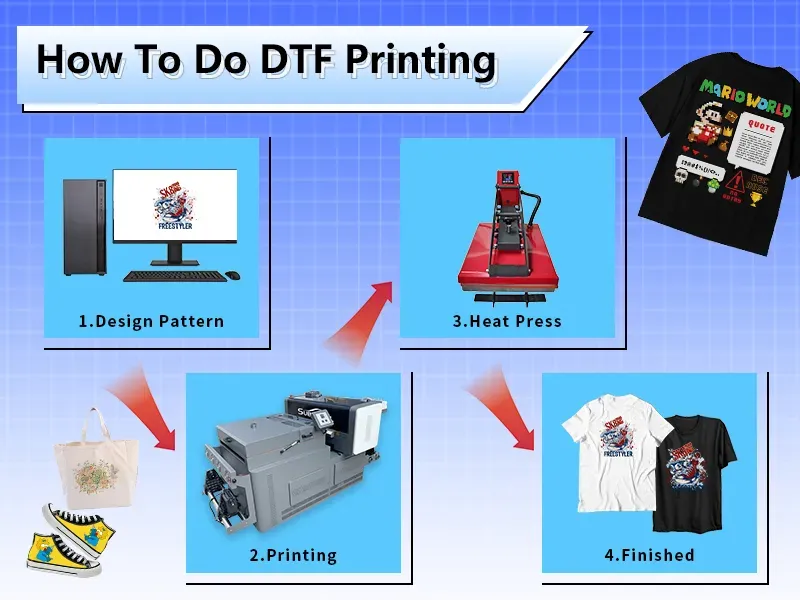
Understanding the DTF printing process is key to ensuring success in your custom designs. The first step involves using your DTF printer to print directly onto the transfer film, with attention to your settings to achieve the desired quality and vibrancy. Once the printing is complete, allow your design to cool, which facilitates easier removal of the film without compromising the artwork. This cooling period is essential to ensure the integrity of your detailed designs throughout the printing process.
Subsequent to peeling the film, it’s time to utilize the heat press for the final application onto your fabric. Position the film properly, apply gentle pressure, and set the recommended time and temperature required for the transfer to adhere correctly. This process requires attention to detail to achieve an optimal result—ensuring that both the film and fabric bond harmoniously is what ultimately leads to the creation of high-quality custom apparel.
Frequently Asked Questions
What are the essential DTF printing beginner tips to get started?
To kick off your DTF printing journey, ensure you have the necessary equipment such as a DTF printer, DTF-compatible inks, high-quality transfer films, and a reliable heat press. Familiarize yourself with your printer settings, select the right materials like cotton or polyester fabrics, and always pre-press your fabric before applying transfers. Engaging with the DTF community can also provide valuable insights and tips.
How do I choose the best materials for DTF printing?
When selecting materials for DTF printing, opt for fabrics like cotton, polyester, or cotton-poly blends, as they work seamlessly with DTF technology. Additionally, invest in high-quality transfer films for the best results. These premium options ensure sharper and more vibrant designs on your custom prints.
What DTF printing equipment do beginners need for successful printing?
Beginners should start with a dedicated DTF printer, compatible DTF inks, quality transfer films, and an effective heat press. Having this essential DTF printing equipment ensures smoother operation and better quality in your custom printing projects.
What are some common DTF printing techniques beginners should master?
Beginner DTF printing techniques include proper printing on the transfer film, allowing the printed film to cool before peeling, and using precise temperature and time settings on your heat press during the transfer process. Mastering these techniques will enhance the durability and appearance of your custom apparel.
How do I troubleshoot DTF printing issues as a beginner?
To troubleshoot DTF printing issues, check your printer settings such as resolution and color profiles. Ensure that your transfer films and fabrics are compatible and of high quality. Joining online forums or community groups can also provide tips and solutions from experienced DTF printing users.
What is the importance of pre-pressing fabric in DTF printing?
Pre-pressing fabric before applying DTF transfers removes moisture and wrinkles, which is crucial for ensuring better adhesion of the transfer. This step helps in achieving a more vibrant and long-lasting design on your custom apparel.
| Tip Category | Key Points |
|---|---|
| What is DTF Printing? | A method of printing designs onto a film to transfer to fabric with heat, suitable for various applications like t-shirts and hoodies. |
| Essential Equipment | DTF Printer, DTF-compatible inks, high-quality transfer films, and a reliable heat press are essential for successful printing. |
| Choosing Materials | Select good quality fabrics (like cotton or polyester) and premium transfer films to ensure vibrant prints. |
| Optimizing Printer Settings | Adjust settings for high resolution and correct color profiles, and pre-press fabrics for better adhesion. |
| Community Engagement | Join online forums and social media groups to learn from other DTF printers and access helpful resources like tutorials. |
Summary
DTF printing beginner tips provide essential insights and guidance for those looking to dive into custom apparel printing. As a beginner, it’s crucial to understand the basics of DTF technology, starting with the right equipment, such as a specialized DTF printer and compatible inks. Familiarizing yourself with the printing process, including the selection of quality materials and engaging with reputable resources, can significantly enhance your results. Remember, the key to mastering DTF printing lies in practice and community support, so take the time to learn and experiment, and you’ll unleash your creativity in no time.