
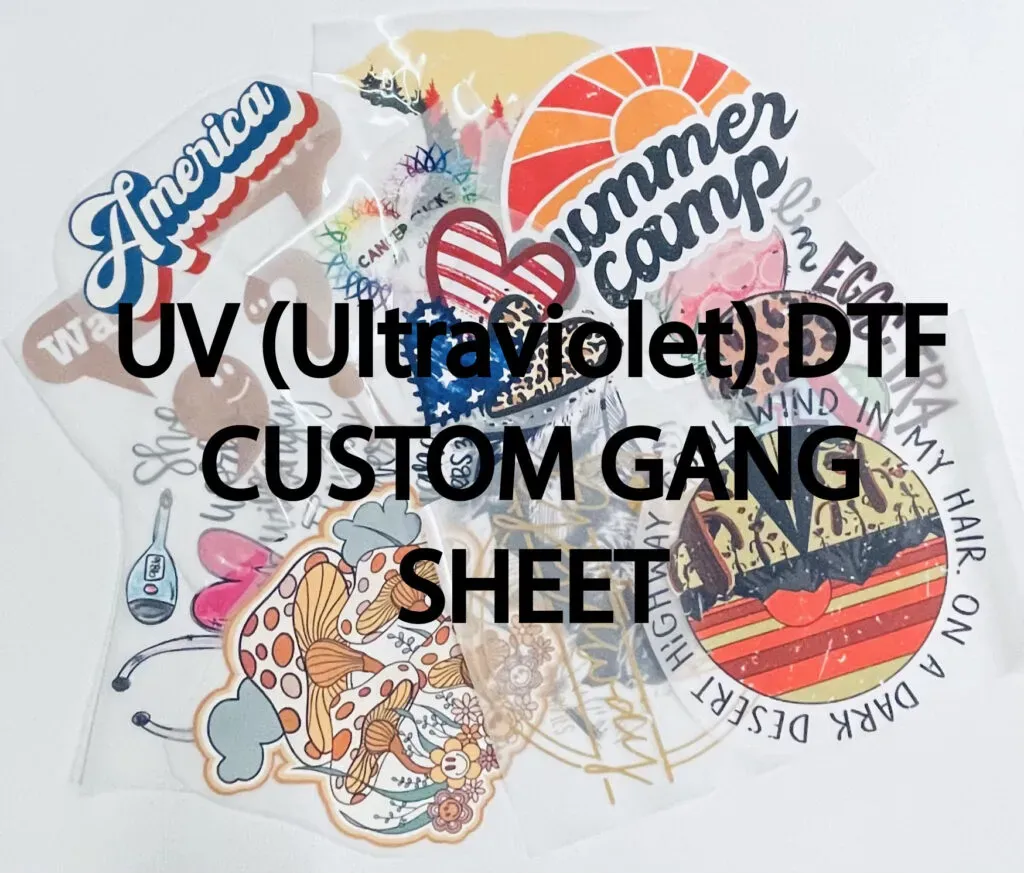
In the dynamic world of textile printing, UV DTF Gangheet stands out as a groundbreaking innovation that is transforming how designs are brought to life on fabric. This advanced printing technology not only offers unmatched quality and precision but also responds effectively to the growing demand for sustainable textile production. By utilizing UV-friendly inks that cure instantly, UV DTF Gangheet streamlines the print process, reducing waste and energy consumption while ensuring vibrant and durable results. This efficient method supports eco-friendly printing practices that align with today’s environmental standards, making it a preferred choice for conscientious designers and manufacturers. As we delve deeper, we’ll explore the myriad ways UV DTF Gangheet is setting new benchmarks in the realm of textile printing.
Often referred to as UV Direct-to-Film printing, the UV DTF Gangheet represents a significant leap in advanced printing technologies within the textile industry. This innovative approach emphasizes eco-conscious practices while delivering high-quality prints on a variety of materials, far surpassing traditional methods that often yield undesirable waste and poor durability. The ability to quickly produce intricate designs on fabrics recasts what is possible for creative artists and small businesses alike. By championing sustainable textile production through minimalist ink use and instant curing processes, this technology sets the stage for a greener future while meeting the aesthetic needs of the modern market. Join us as we explore how this revitalization is reshaping the landscape of fabric printing.
The Impact of UV DTF Gangheet on Textile Quality
UV DTF Gangheet technology significantly enhances the quality of textile prints by utilizing cutting-edge UV-curable inks that bond effectively with various fabric types. This results in rich colors and intricate details that were often unattainable with traditional methods. The ability of UV DTF printing to produce high-definition images allows designers to push the boundaries of creativity, crafting visually stunning textiles suitable for high fashion and promotional items alike.
Furthermore, the drying process facilitated by UV light not only speeds up production times but also ensures that the prints are vibrant and long-lasting. Unlike conventional printing techniques that may suffer from color fading or smudging due to prolonged exposure to elements, prints made with UV DTF Gangheet retain their premium quality over time. As the industry shifts towards quality-oriented production, this technology becomes a vital asset for businesses seeking to establish a reputation for excellence in textile performance.
Sustainability and Eco-Friendly Practices in Textile Printing
The textile industry faces increasing scrutiny over its environmental impact, with traditional printing methods often linked to excessive water usage and harmful chemical waste. UV DTF Gangheet stands out by offering a more sustainable alternative. This technology minimizes ink waste and fabric consumption through precise printing processes, significantly reducing the environmental footprint of textile production.
Moreover, the inks used in UV DTF printing are generally formulated to be less toxic than many standard textile inks. This aligns with global trends that prioritize eco-friendly production techniques, appealing to a growing demographic of eco-conscious consumers. By adopting UV DTF Gangheet technology, manufacturers not only contribute to sustainability goals but also tap into a lucrative market segment that values environmental responsibility.
Technological Advancements in Textile Printing
The landscape of textile printing is rapidly evolving thanks to innovative technologies like UV DTF Gangheet. This system is not just about improving print quality; it also democratizes the printing process, allowing smaller businesses and individual creators access to advanced production techniques previously reserved for larger manufacturers. Compact DTF printers are now designed to provide high-quality output, making it easier for new entrants to enter the market.
These technological advancements empower designers by providing versatile tools to experiment with various printing techniques, including mixing DTF with digital processes for unique results. As more users adopt UV DTF Gangheet devices, we see an increase in creativity alongside the growth of small-scale textile operations, boosting the economy and leading to a richer tapestry of options for consumers.
Versatility of UV DTF Gangheet in Textile Applications
One of the standout features of UV DTF Gangheet is its exceptional versatility in textile applications. This technology allows for printing not only on a wide range of conventional fabrics such as cotton and polyester but also on non-traditional materials, including leather, canvas, and synthetic surfaces. This opens the door for a myriad of applications, from custom apparel and accessories to promotional items and interior decor.
By accommodating diverse material types, UV DTF Gangheet empowers designers to explore limitless creative possibilities. This adaptability is crucial for businesses aiming to stand out in a saturated market, as they can offer unique products that cater to specific consumer interests and trends without being confined to traditional printing constraints.
Trade Shows: Showcasing UV DTF Innovation
Trade events play a critical role in highlighting innovations in the textile printing landscape. Events like PacPrint provide a platform for manufacturers to showcase their advancements, particularly the benefits of new technologies like UV DTF Gangheet. Live demonstrations allow attendees to witness firsthand the efficiency and quality that these systems bring, solidifying their potential in real-world applications.
As industry leaders unveil their latest products and technologies, the exchange of ideas fuels further development in the field. Such trade shows not only raise awareness of the capabilities of UV DTF printing but also encourage collaborations that can lead to even more groundbreaking practices within sustainable textile production.
Future Prospects of UV DTF Technology in the Textile Industry
The future of the textile industry is bright with the continuing evolution of UV DTF Gangheet technology. As manufacturing processes evolve, industry players are increasingly prioritizing efficiency and sustainability, which the UV DTF method exemplifies. This printing technology not only addresses the pressing demand for eco-friendly practices but also sets a new standard in print quality.
Anticipating future developments, we can expect to see further enhancements in UV DTF printing capabilities, including improvements in printer design and ink formulations that increase environmental friendliness. As awareness of sustainable practices grows, UV DTF Gangheet will likely become integral to the fabric of textile production, shaping consumer habits and industry standards for years to come.
Frequently Asked Questions
What advantages does UV DTF Gangheet offer in textile printing?
UV DTF Gangheet stands out in textile printing by providing high durability, vibrant colors, and sustainable options. This technology uses UV-curable inks that cure instantly, promoting efficiency while minimizing environmental impact.
How does UV DTF Gangheet contribute to sustainable textile production?
UV DTF Gangheet promotes sustainable textile production by significantly reducing waste during the printing process and using eco-friendly inks. This aligns with global efforts towards greener manufacturing practices and reduced chemical usage.
What is the process of UV DTF printing with Gangheet technology?
The UV DTF printing process using Gangheet technology involves transferring designs onto fabrics with UV-curable inks. The inks cure instantly under UV light, enhancing print quality and longevity, unlike traditional methods that require longer drying times.
Can UV DTF Gangheet print on various materials?
Yes, UV DTF Gangheet is versatile and can print on a wide range of materials, including unconventional surfaces. This flexibility allows designers to explore creative possibilities in textile production, broadening their artistic horizons.
What role does UV DTF Gangheet play in advanced printing technologies?
UV DTF Gangheet is a significant advancement in printing technologies, merging traditional DTF processes with UV capabilities. This innovative approach enhances color vibrancy and print durability while supporting eco-friendly practices in textile manufacturing.
How does UV DTF Gangheet impact the future of eco-friendly printing?
UV DTF Gangheet is poised to reshape the future of eco-friendly printing in textiles. By reducing waste and utilizing less toxic inks, it sets a new benchmark for sustainability, appealing to environmentally conscious consumers and manufacturers.
| Key Features | Benefits |
|---|---|
| High Durability | Minimizes material wastage during printing. |
| Eco-Friendly Options | Reduced chemical use and alignment with environmental standards. |
| Versatility | Allows printing on various materials, including unconventional surfaces. |
Summary
UV DTF Gangheet is truly revolutionizing the textile printing industry by combining cutting-edge technology with eco-friendly practices. This innovative method enhances print quality while promoting sustainability, addressing industry demands for greener production methods. As we move forward, UV DTF Gangheet stands out as a pivotal solution that not only meets modern printing needs but also encourages responsible manufacturing, ensuring a brighter future for textile production.

