
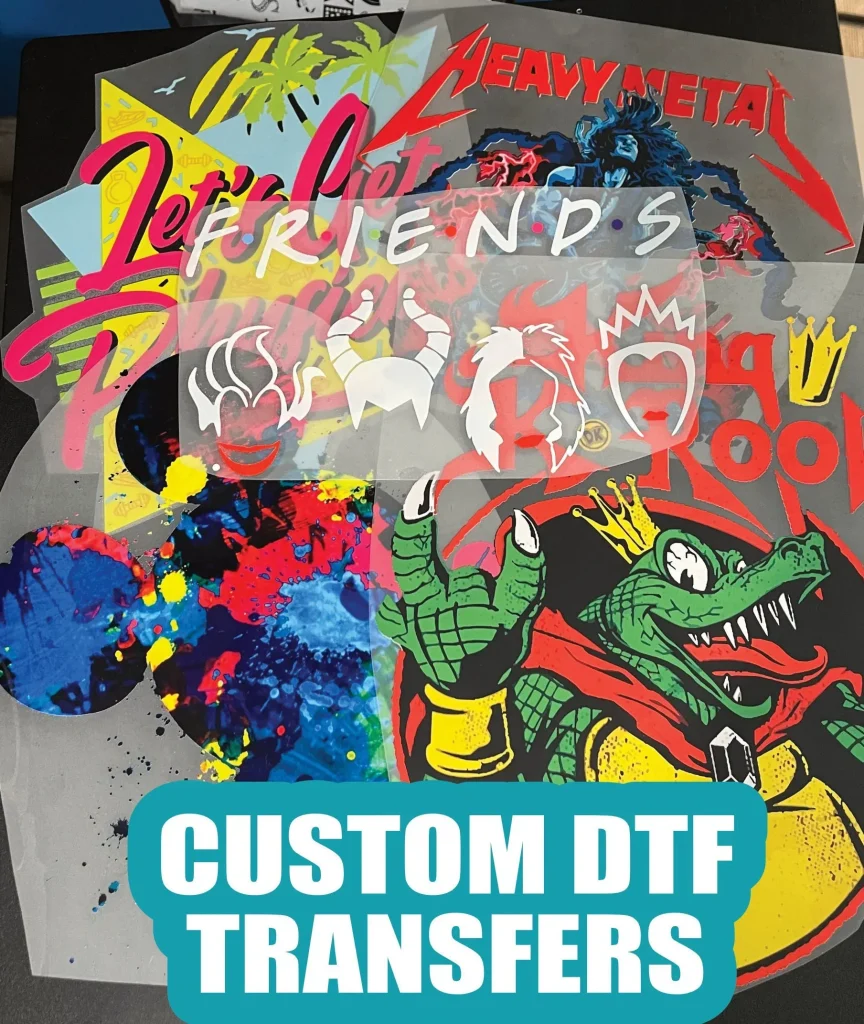
DTF transfers, or Direct-to-Film transfers, are rapidly gaining traction in the garment printing industry due to their remarkable efficiency and versatility. As individuals begin their journey in the realm of DTF printing, understanding the nuances of this innovative technique becomes crucial. This engaging beginner’s guide delves into the DTF printing process, shedding light on how this method simplifies traditional garment printing techniques and showcases vibrant designs. With the latest DTF technology developments, both small businesses and large commercial operations can utilize these processes to enhance their offerings and meet growing demand. As we explore the world of DTF transfers, you’ll uncover essential insights that can help you navigate this exciting field.
Direct-to-Film (DTF) transfers, often referred to as DTF printing or DTF technology, represent a significant advancement in garment decoration techniques. This innovative process enables high-quality prints to be transferred onto fabrics with unmatched ease, making it a favorite among printing enthusiasts and professionals alike. The effectiveness of this method is enhanced by the use of specialized films and eco-friendly inks, resulting in dynamic images that stay vibrant over time. Additionally, this comprehensive guide serves as a beginner’s road map for anyone interested in exploring garment printing, emphasizing the importance of understanding the DTF printing process and the latest developments in the field. As you embark on this journey, you’ll find that the world of DTF offers an array of possibilities to express creativity and innovate within the industry.
The DTF Printing Process Explained
Understanding the DTF printing process is essential for anyone looking to explore textile printing technologies. At its core, DTF transfers involve a straightforward sequence of steps that allow for the seamless transfer of detailed designs onto various fabrics. Initially, the process begins with design creation, where creators can choose from digital graphics or manually drawn patterns. This flexibility in design production allows beginners to experiment with a wide range of artistic expressions, catering to both simple and complex audiences.
Once the design is finalized, it is printed onto a specialized DTF film using advanced printers that are designed explicitly for the task. This key step involves using eco-solvent or water-based inks, ensuring vibrant colors and sharp details are captured. The effectiveness of this method is evident, as it avoids common pitfalls associated with traditional garment printing methods, such as color fading. As such, the DTF printing process not only enhances usability but also promises high-quality results that are durable and long-lasting.
DTF Transfers: Benefits for Beginners
For beginners entering the world of garment printing, DTF transfers present numerous benefits that make the learning curve less steep. One of the primary advantages of DTF technology is its cost efficiency; small print runs can be produced without incurring significant overhead costs typically associated with traditional screen printing. This democratizes the process, allowing newcomers to experiment without the fear of substantial financial loss.
In addition to affordability, DTF transfers allow for a stunning range of colors and intricate designs. The ability to produce highly detailed images opens new doors for creativity, giving beginners the chance to implement their unique styles into their work. Moreover, the quick turnaround from design to finished product means that beginners can rapidly produce work to test the market, gather feedback, and refine their techniques.
Key Innovations in DTF Technology
The landscape of DTF printing is constantly evolving, with new innovations emerging to enhance the technology’s capabilities. One of the most exciting recent advancements is the introduction of large format DTF printers, which allow for printing on a wider variety of fabric types and sizes. This adaptability makes DTF an invaluable choice for businesses looking to expand their product offerings without the need for multiple printing methods.
Furthermore, companies like Eazydtf are investing significantly in state-of-the-art equipment, thereby increasing output capabilities and reducing lead times. Such developments are crucial for maintaining competitive advantage in the fast-paced garment industry. As these technological advancements continue to unfold, founders and entrepreneurs can have peace of mind in knowing they are investing in a reliable and growing printing solution.
Understanding DTF Transfers and Their Usability
A key aspect of DTF transfers that beginners should be aware of is their functionality and usability after application. As with any printing method, the longevity and appearance of the transfer largely depend on factors such as fabric type and care practices. Some garments may require specific washing instructions to keep the prints intact, making it essential for beginners to understand the best practices for maintenance.
Discussions about the removability of DTF designs are also pertinent, especially for those interested in customization or alterations. While some methods do allow for the safe removal of DTF transfers, this often depends on the adhesive used and the fabric’s characteristics. Beginners are advised to conduct thorough tests on scrap materials to determine the best methods for their specific projects. By mastering these aspects, newcomers can confidently approach their printing challenges.
Community Support for DTF Beginners
As with any new skill, having access to a supportive community can be a game-changer for beginners in DTF printing. Engaging with other enthusiasts—be it through online forums, social media groups, or local workshops—provides valuable insights and shares best practices that can accelerate the learning curve. Many experienced printers are more than willing to share their knowledge, offering guidance on troubleshooting, equipment selections, and design tips.
Moreover, educational resources such as webinars, blog posts, and instructional videos are increasingly available, focusing on DTF technology. Organizations like GJS are proactively promoting these learning opportunities, helping newcomers gain confidence and competence in DTF printing. This sense of community allows budding printers to ask questions, exchange ideas, and stay updated on the latest trends and technologies relevant to DTF.
Conclusion: Embracing DTF Printing for the Future
In conclusion, DTF transfers represent an exciting frontier in the realm of garment printing for both hobbyists and professional printers. The combination of user-friendliness, high-quality results, and cost efficiency makes this technique an attractive option for anyone looking to dive into garment personalization and production. As technology continues to evolve, the accessibility of DTF printing will only improve, expanding creative possibilities for all.
By tapping into available resources and engaging with the printing community, beginners can navigate their DTF printing journey with confidence. Keeping abreast of advancements from companies like Eazydtf and participating in educational initiatives will ensure that you stay at the forefront of this dynamic field. Whether you’re creating custom apparel for personal use or launching a new business venture, DTF printing opens the door to a world of creativity and opportunity.
Frequently Asked Questions
What are DTF transfers and how do they compare to traditional printing methods?
DTF transfers, or Direct-to-Film transfers, involve printing designs onto special films using eco-solvent or water-based inks, which are then heat pressed onto garments. Unlike traditional methods such as screen printing, DTF allows for more intricate designs and faster production times, making it an efficient option for both small and large printing operations.
How does the DTF printing process work?
The DTF printing process consists of several steps: first, you create or select a design; next, the design is printed onto a DTF film using specialized printers. After this, an adhesive powder is applied to the wet ink on the film, followed by heat pressing the film onto the garment. This ensures vibrant prints with great detail while simplifying traditional printing techniques.
What recent developments have been made in DTF technology?
Recent advancements in DTF technology include the introduction of new trade services, like those from Snuggle, which can handle high-volume orders efficiently. Additionally, investments in large format DTF printers by companies such as Eazydtf enable faster production times and increased capacity to meet growing demand, enhancing the overall appeal of DTF transfers.
Is there an educational guide for beginners interested in DTF printing?
Yes, numerous resources are available for beginners exploring DTF printing. For instance, GJS is hosting a webinar titled ‘Discovering DTF’ that covers the latest advancements and practical applications. Such initiatives help newcomers build a strong foundational knowledge and connect with the DTF community for ongoing support.
Can DTF transfers be removed from garments, and how safe is the process?
The removability of DTF transfers depends on factors like fabric type and heat settings used during the transfer. While some methods may allow for safe removal, it’s crucial to test on scrap fabric first to avoid damaging the garment. Understanding these variables is important for those considering customization or rebranding.
What advantages do DTF transfers offer over other garment printing techniques?
DTF transfers provide several advantages, including the ability to print complex designs with vibrant colors, faster turnaround times, and greater flexibility for small production runs. This technique combines quality with convenience, making it an increasingly popular choice in the garment printing industry.
| Key Element | Description |
|---|---|
| What Are DTF Transfers? | A printing process that transfers designs from film to garments using heat, allowing for vibrant and detailed prints. |
| The DTF Printing Process | 1. Design Creation: Create or select a design. 2. Film Printing: Print on DTF film. 3. Powder Coating: Apply adhesive powder. 4. Heat Transfer: Press onto garment. |
| Recent Developments | Innovations include new trade services, technological investments, and educational resources for effective learning and application of DTF techniques. |
| DTF Transfers Usability | Discussions around removability of DTF designs highlight its importance for customization, with differing results based on fabric and heat settings. |
Summary
DTF Transfers are a revolutionary method in the garment printing industry, combining ease of use with high-quality results. This innovative technique allows for detailed and vibrant designs to be seamlessly transferred onto diverse fabrics, making it a valuable tool for both beginners and seasoned printers. With consistent technological advancements and supportive educational resources, such as webinars to guide newcomers, DTF transfers are becoming increasingly accessible and appealing to a broad range of printing businesses. As you engage with DTF Transfers, remember to explore the usability and potential customization options this printing method offers. Embrace the creativity and possibilities that come with DTF Transfers in your projects.

