
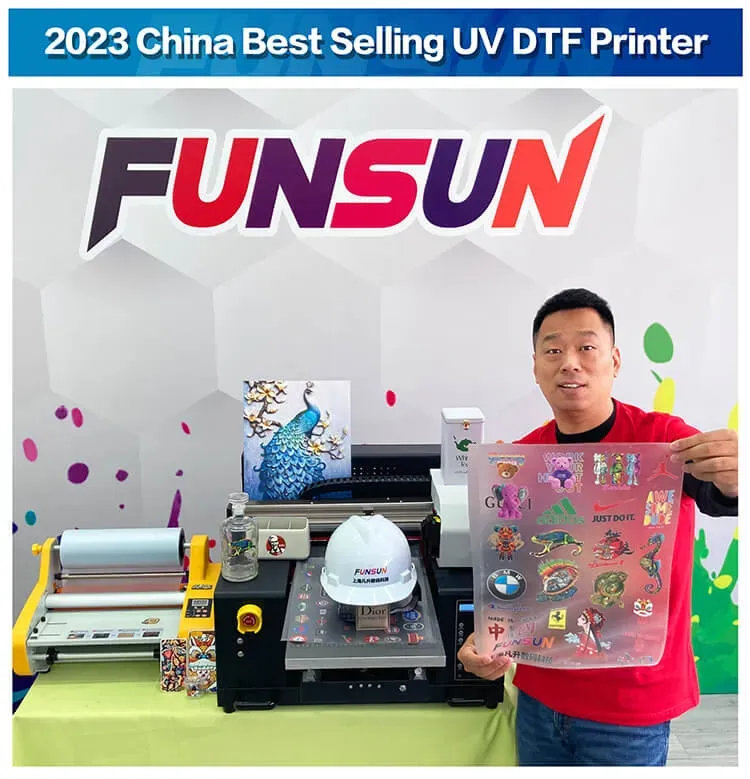
In the dynamic world of printing technologies, UV DTF printing stands out as a game-changer for modern businesses looking to elevate their branding. Unlike traditional printing methods such as screen printing and offset printing, UV DTF offers unparalleled versatility and vibrant color reproduction that can enhance any project. This innovative approach utilizes UV-cured inks, allowing for stunning, long-lasting designs that adhere to a multitude of surfaces. As the demand for customized printing solutions grows, understanding the benefits of UV DTF printing versus more conventional techniques like digital printing becomes crucial. Join us as we delve into this exciting realm, comparing its unique advantages against the backdrop of established printing options.
Known also as ultraviolet direct-to-film printing, UV DTF printing represents a contemporary shift in the landscape of custom printing solutions. This technology can be seen as a significant departure from older methods, bridging the gap between durability and quality in today’s diverse market. By employing UV-cured inks, this technique enables remarkable detail and longevity, making it a preferred choice in industries ranging from fashion to promotional materials. As we further investigate the nuances of UV DTF alongside familiar processes like screen and offset printing, the landscape of printing technologies becomes clearer, revealing a future rich in possibilities.
Why Choose UV DTF Printing Over Traditional Methods?
UV DTF printing stands out among traditional printing methods due to its unmatched versatility. Unlike screen printing, which is limited to specific materials and requires extensive setups, UV DTF can transfer high-quality images onto diverse substrates including textiles, metal, glass, and wood with ease. This adaptability makes it a go-to option for businesses seeking to create unique, customized products. Furthermore, screen printing and offset printing often necessitate large quantities to justify the setup costs, while UV DTF printing thrives in on-demand environments, making it ideal for short runs and custom designs.
Another key advantage of UV DTF printing lies in its durability. The use of UV-cured inks ensures that the final product resists fading, scratches, and moisture. In contrast, traditional printing techniques such as offset or digital printing may not offer the same level of resistance, especially when exposed to outdoor conditions or frequent handling. For businesses concerned about longevity and quality, transitioning to UV DTF printing could be a transformative decision that enhances product performance and customer satisfaction.
The Technological Edge of UV DTF Printing
In today’s fast-paced market, the technological advancements in UV DTF printing provide it with a competitive edge over traditional printing technologies. The process utilizes cutting-edge UV inks that cure rapidly upon exposure to UV light, significantly reducing turnaround times compared to methods like offset printing and screen printing. This rapid output aligns perfectly with the growing demand for expedited services in various industries, from fashion to promotional goods, allowing businesses to respond quicker to customer needs.
Furthermore, the introduction of innovative printers, such as compact models from companies like eufyMake, democratizes access to high-quality UV DTF printing technology. These machines empower small businesses and independent creators to produce intricate designs without the need for extensive resources. With features that ensure ease of use and excellence in print quality, these advancements are not only redefining printing capabilities but also inspiring a new wave of creativity in design and application.
Comparing Print Quality: UV DTF vs. Traditional Techniques
When it comes to print quality, UV DTF printing offers a significant advantage over traditional methods. Users frequently find that the vibrant colors and complex designs produced through UV DTF printing surpass those achievable with traditional screen printing or even digital printing. Traditionally, screen printing is limited in its ability to accurately reproduce gradients and intricate details due to the physical stencil used, making UV DTF a superior choice for detailed artwork.
Moreover, UV DTF printing’s capacity for high-resolution output means that businesses can offer more dynamic and eye-catching designs that attract consumer attention. The wider color gamut available through UV inks allows for sharper images with greater depth, making them suitable for application in high-end markets such as fashion, signage, and bespoke decor. As consumer expectations continue to evolve, utilizing advanced UV DTF technology can help businesses stay ahead of their competitors.
Environmental Benefits of UV DTF Printing
The UV DTF printing process also aligns with sustainable printing practices, offering environmental advantages over traditional printing methods. Many traditional techniques, such as screen printing, often require the use of solvents and chemicals that pose risks to both human health and the environment. In juxtaposition, UV DTF printing has minimal waste as it uses UV-cured inks that do not require large amounts of volatile organic compounds (VOCs), thus reducing harmful emissions during printing.
Additionally, the efficiency of UV DTF printing enables companies to produce exactly what they need when they need it, minimizing excess inventory that often leads to waste in traditional printing setups. Businesses adopting UV DTF printing are not just responding to market demands; they are also actively participating in eco-friendly practices that resonate with today’s environmentally conscious consumers.
Understanding the Cost Implications of UV DTF Printing
Cost is a critical factor when deciding between UV DTF printing and traditional printing methods. Although advanced UV DTF technologies may have higher upfront costs, the efficiency and long-lasting quality of prints often lead to lower overall expenses. For instance, the durability of UV DTF prints results in reduced costs associated with reprints and replacements, which can frequently occur with traditional methods like digital and offset printing.
Furthermore, the ability to print on-demand allows businesses to avoid the expenses associated with undertaking large print runs typical of screen or offset printing. This means that companies can maintain better control over their budgets while still meeting customer demands for customized products, making UV DTF printing an economically viable option in the long run.
The Future of UV DTF Printing in Various Industries
As industries continue to recognize the potential of UV DTF printing, its use is expected to expand across various sectors. The flexibility of UV DTF allows for customization in fashion, advertising, and promotional merchandise, where unique designs are essential for standing out in crowded markets. Many businesses are finding that integrating UV DTF technology into their production lines leads to more innovation, ultimately enhancing their brand identity.
Moreover, recent investments from companies like EazyDTF signal a growing industry demand for this printing technology. As production capabilities and quality improve, we can anticipate an increase in the adoption of UV DTF printing in specialized fields such as interior design and manufacturing of sophisticated consumer goods. This trend not only indicates a shift in printing technologies but also paints a picture of a future where customization and quality become industry standards, thus encouraging businesses to rethink their printing strategies.
Frequently Asked Questions
What is UV DTF printing and how does it compare to traditional printing methods?
UV DTF printing, or UV Direct to Film printing, is a modern printing technology that uses UV-cured inks to transfer images directly from a film to various surfaces. Unlike traditional printing methods such as screen printing and offset printing, which may have limitations in substrate diversity and setup time, UV DTF offers unparalleled versatility and durability, making it an ideal choice for intricate designs.
What are the advantages of choosing UV DTF printing over traditional screen printing?
UV DTF printing boasts several advantages over traditional screen printing, including the ability to print on a wider range of substrates like textiles, wood, and metal. Additionally, UV DTF provides higher-quality prints with vibrant colors and faster production times, while traditional screen printing is often limited to fewer materials and requires longer setup times for each job.
Can UV DTF printing match the quality offered by digital and offset printing?
Yes, UV DTF printing can match and often exceed the quality of digital and offset printing in many respects. While digital printing is excellent for small runs and offset printing is favored for mass production, UV DTF combines the high-quality color accuracy and detail with rapid turnaround times, making it suitable for both custom orders and larger projects.
What industries benefit from using UV DTF printing as opposed to traditional printing techniques?
Several industries, such as apparel manufacturing, promotional material production, and interior decoration, are benefitting from UV DTF printing. This modern printing technology allows businesses to create customized designs with vibrant colors, durability, and on-demand capabilities, distinguishing it from traditional printing techniques that may not offer the same flexibility.
How do the costs of UV DTF printing compare to traditional printing methods?
While the initial investment in UV DTF printing equipment may be higher compared to traditional methods like screen printing or offset printing, the overall costs can be lower due to reduced setup times, less waste, and the ability to print on various substrates without multiple setups. As a result, UV DTF presents a cost-effective solution for businesses seeking quality and efficiency.
What recent developments in UV DTF printing technology should I be aware of?
Recent advancements in UV DTF printing, such as the introduction of compact printers like the E1 Printer by eufyMake, have made high-quality printing technology more accessible to individuals and small businesses. Additionally, increased investment in DTF technology by companies like EazyDTF highlights the growing demand for customized prints, making UV DTF a rapidly evolving field.
| Key Points | UV DTF Printing | Traditional Printing Methods |
|---|---|---|
| Definition and Process | Utilizes UV-cured inks to print on film, which transfers designs to surfaces. | Includes screen, offset, and digital printing methods with varying applications and techniques. |
| Advantages | Versatile on various substrates, durable, produces vibrant colors, fast printing. | Good for high-volume jobs (screen printing), efficient in mass production (offset), but less flexible for custom designs (digital). |
| Applicability | Ideal for custom designs in apparel, promotional materials, and interior decoration. | Best for bulk production of items such as magazines, newspapers, and simpler graphics. |
| Recent Developments | Compact printers like the E1 offer accessibility for diverse printing. | Improvements in traditional methods exist but lag behind the advancements in DTF technology. |
Summary
UV DTF Printing is revolutionizing the way designs are printed by offering a modern approach compared to traditional methods. With its ability to print on a wide range of materials, produce vibrant colors, and provide durability, UV DTF printing is becoming the preferred choice for custom projects across various industries. Though traditional printing methods still have their place and benefits, the innovative capabilities and technological advancements of UV DTF printing are setting a new standard that meets the demands of today’s creative and commercial needs.

