
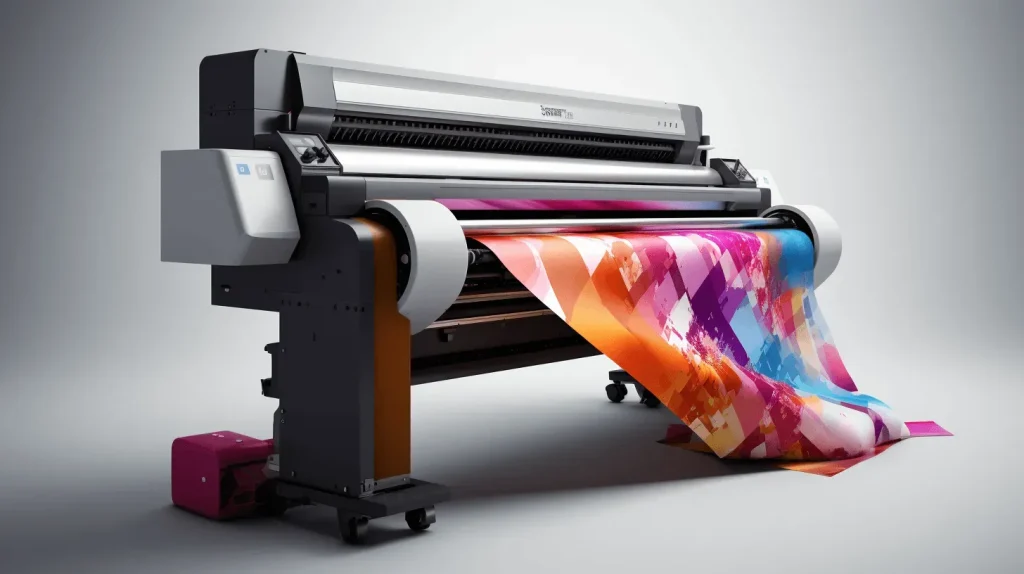
DTF printing workflow is rapidly transforming the landscape of textile printing with a unique process that efficiently transfers eye-catching designs directly onto various fabrics. This advanced technique, known as Direct to Film (DTF) printing, empowers businesses to create vibrant and durable prints while maintaining high-quality standards. As we explore the DTF printing process, we will dissect its essential phases including film preparation, adhesive application, and heat transfer, all integral to producing stunning fabric designs. Innovations such as gang sheets in DTF further enhance productivity, allowing multiple designs to be printed simultaneously, thus optimizing material use. Join us as we delve into the latest DTF printing techniques and innovations that are pushing the boundaries of what’s possible in custom garment creation.
The Direct to Film printing technique has emerged as a revolutionary method in the garment printing arena, offering an efficient pathway from design conception to the final product. Often referred to as DTF printing, this innovative approach enables printers to achieve vivid color transfers effortlessly on a variety of materials. By examining the workflow of DTF, which encompasses crucial steps like film preparation and heat application, we can appreciate the nuances that make this process a game-changer in the industry. With advancements like the use of gang sheets in DTF, printers can significantly reduce waste while enhancing productivity. Join us on this exploration of the DTF printing process and its transformative impact on custom textile printing.
The Complete DTF Printing Workflow: Step by Step Guide
The DTF printing workflow is an intricate process that involves several key steps, all aimed at achieving high-quality prints on various substrates. From design conception to the finishing touches, each phase plays a vital role in ensuring the final product meets the expectations of both designers and customers. By analyzing each step—from preparatory actions like film creation to critical finishing processes—businesses can refine their practices and produce stunning, high-resolution designs efficiently.
In the initial phase, which focuses on design, it’s vital to employ graphic design tools and techniques that align well with DTF printing capabilities. Designers must not only consider color profiles and file resolutions but also understand how their artwork interacts with different fabrics. Subsequently, the film preparation step utilizes specialized inks to create vibrant and durable images, setting the foundation for the quality that follows throughout the DTF printing process.
Exploring DTF Innovations: Technology Advances in Textile Printing
The textile industry is witnessing transformative innovations, particularly in DTF printing technology. Companies are rapidly adopting advanced machines and techniques that streamline the printing process and enhance output quality. For example, automation in the GTX600 by Brother facilitates a more seamless film preparation phase, allowing printers to minimize manual labor while maximizing productivity. Such technological advancements not only pave the way for quicker turnaround times but also ensure consistency and accuracy in the printed designs.
Moreover, continual developments in DTF printing techniques are creating new opportunities for businesses. As companies like GJS introduce educational platforms and webinars focused on these innovations, industry professionals can gain valuable insights into improving their operations. Understanding these advancements ensures a competitive edge in a rapidly evolving market where quality and efficiency are paramount.
The Importance of Film Preparation in DTF Printing
Film preparation is a crucial stage in the DTF printing process that directly influences the overall print quality. This step involves printing high-resolution designs onto specialized DTF transfer films that are engineered to handle vibrant inks that remain true to color after application. This initial phase is not just about putting ink on film; it’s about meticulously preparing to ensure a flawless transfer onto various types of fabric.
By investing in quality equipment for film preparation and adhering to best practices, printers can significantly enhance the durability and vibrancy of the prints. The right inks combined with proper settings on the DTF printer ensure that designs come out with sharp details and bold colors, making this step indispensable for achieving professional-grade outputs.
Adhesive Application: Key to Successful DTF Transfers
Adhesive application is a pivotal part of the DTF printing workflow, serving as the bridge between the transfer film and the fabric substrate. The powdered adhesive is applied to the printed film before it undergoes heat application. This adhesive is critical for creating a strong bond between the design and the fabric, resulting in high-quality, long-lasting prints. Ensuring that the right type and amount of adhesive is used directly affects the transfer’s durability and its ability to withstand repeated wash cycles.
Understanding how to correctly apply the adhesive is essential, as improper application can lead to various issues such as peeling or cracking post-transfer. It’s imperative that printers are well-versed in the different types of adhesives available, as each may suit specific fabric types and printing setups differently. Mastering this phase allows for a streamlined process that enhances final product quality.
Utilizing Gang Sheets in DTF Printing for Efficiency
Gang sheets are becoming increasingly popular in the DTF printing workflow due to their ability to maximize material efficiency. By allowing multiple designs to be printed on a single sheet, gang sheets not only cut costs but also reduce waste, making them an excellent choice for businesses looking to improve their production efficiency. This method streamlines the printing process, enabling organizations to take full advantage of their equipment while ensuring that they meet customer orders efficiently.
Learning to effectively utilize gang sheets requires an understanding of design layout and the capabilities of DTF technology. By arranging designs thoughtfully, printers can optimize space on the transfer film, which ultimately lowers production time and increases profitability. This strategic approach is key for companies hoping to thrive in a competitive market, allowing them to fulfill more orders in less time.
The Future of DTF Printing: Trends and Projections
As DTF printing continues to evolve, several trends are shaping the future of this technique within the textile industry. One such trend is the push towards sustainability, where printers are increasingly focused on minimizing environmental impact. Innovations that reduce waste, such as gang sheets and eco-friendly inks, are gaining attention and helping businesses position themselves as responsible entities in the marketplace.
Moreover, the incorporation of advanced technology such as automated systems and Artificial Intelligence in design and printing processes predicts a more efficient production environment. As these tools become more prevalent, companies will likely see an enhancement in precision and a reduction in operational costs, making DTF printing not only a competitive choice but an environmentally sound one as well.
Frequently Asked Questions
What are the key steps in the DTF printing workflow?
The DTF printing workflow consists of several essential steps: design creation, film preparation, adhesive application, heat application, and finishing. Each phase ensures a seamless transition from digital artwork to high-quality prints on various substrates.
How does the DTF printing process differ from other printing methods?
The DTF printing process stands out due to its ability to transfer vibrant designs directly onto fabrics using a specialized transfer film and adhesive, allowing for versatility across different material types, unlike traditional screen printing which requires separate setups for each color.
What are gang sheets in DTF printing and how do they improve efficiency?
Gang sheets in DTF printing allow multiple designs to be printed on a single transfer sheet, optimizing material usage and reducing costs. This practice streamlines production processes and minimizes waste, making it highly efficient for high-volume orders.
What recent innovations have impacted the DTF printing workflow?
Recent innovations in DTF technology, such as automation solutions showcased by companies like Brother, have improved the efficiency of the DTF printing workflow. These advancements speed up production while maintaining high-quality prints and reducing material waste.
What software is commonly used for designing projects in the DTF printing process?
Graphic designers typically use software like Adobe Illustrator or CorelDRAW to create captivating designs for the DTF printing process. These tools help ensure that designs are precise and visually appealing for high-quality textile printing.
How can I ensure quality in the DTF printing finishing stage?
To ensure quality in the finishing phase of the DTF printing workflow, conduct final checks for print quality, trim any excess film, and perform touch-ups as necessary. This rigorous quality assurance process guarantees that the final product meets industry standards and customer expectations.
| Step | Description |
|---|---|
| Design | Creation of captivating designs using software to ensure quality and suitability for fabrics. |
| Film Preparation | Printing designs onto a special transfer film with high-quality inks that enhance color vibrancy. |
| Adhesive Application | Application of powdered adhesive to ensure effective transfer adhesion to fabrics. |
| Heat Application | Using a heat press to bond the design to the substrate through defined pressure and temperature. |
| Finishing | Final checks for quality assurance, including trimming and touch-ups before packaging. |
Summary
The DTF printing workflow is a transformative process that has changed the landscape of garment printing. It begins with the design phase, where graphic artists utilize software to create appealing visuals, followed by meticulous steps such as film preparation, adhesive application, heat application, and finally, finishing touches before the product is delivered. Understanding this complete workflow is crucial for maximizing the capabilities of DTF technology, ensuring high-quality outputs while optimizing resources. With continuous advancements in DTF printing technology and innovative practices such as gang sheets, businesses can thrive in the competitive textile industry. Adopting these strategies not only improves efficiency but also elevates the quality of final products.